About Micro Analytical Balance
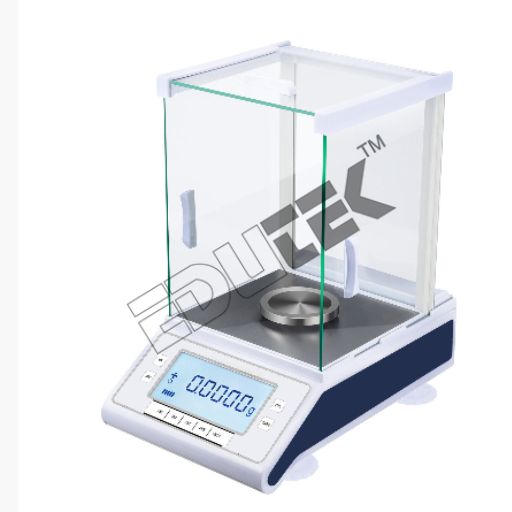
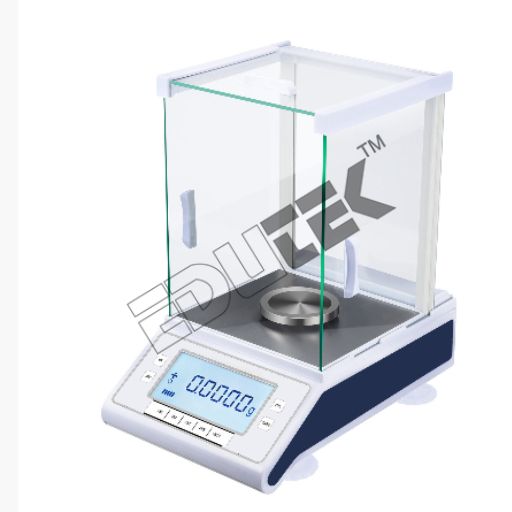
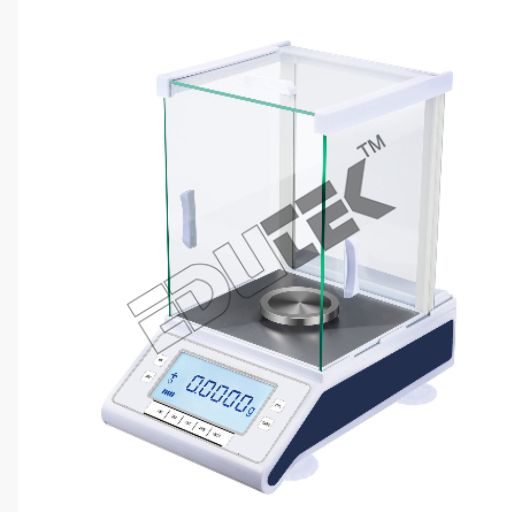
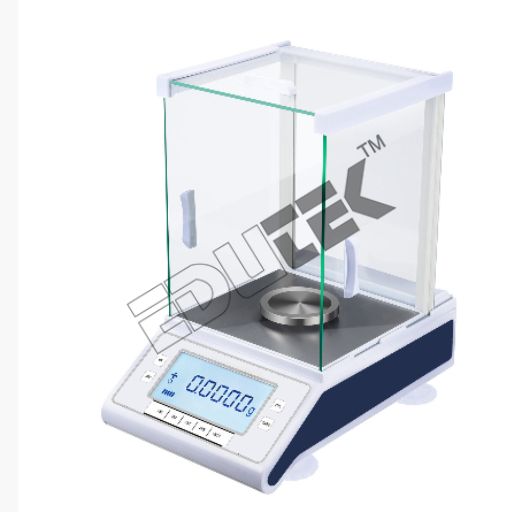
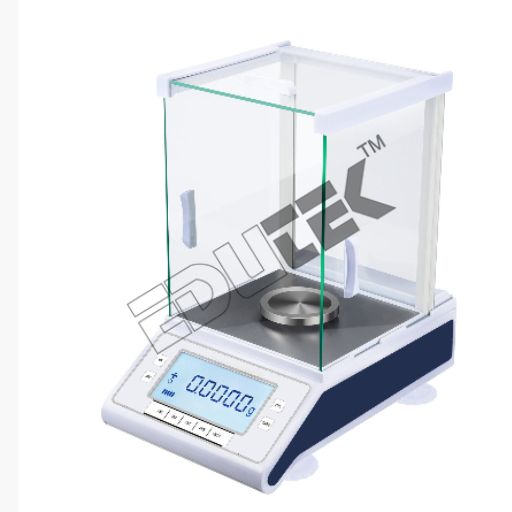
MICRO ANALYTICAL BALANCE
- Capacity Up to 10 g
- Readability 1 ug
- Calibration Built in automatic Internal ; also external calibration provision available
- Display Digital , with tarring facility, electronic control ISO/GLP compliant recording,
- Features Statistical evaluation , Bi-directional RS232C data interface and interface for printer. Display of uncertainty of measurement and process accuracy. Fitted with sliding doors & level adjustment screws.
- Complete with Printer, Interface, standard weights, Manual
- Power 220-230 V, Ac 50/60 Hz.
Exceptional Accuracy and PrecisionEngineered for rigorous laboratory settings, this micro analytical balance provides an impressive accuracy of 0.1 mg, ensuring that even the smallest sample measurements are consistent and reliable. Automatic and external calibration modes boost confidence in results, while the advanced anti-vibration design minimizes interference during measurements.
User-Friendly Features for Advanced LaboratoriesWith a large, backlit LCD display and responsive soft touch keypad, this balance streamlines operations in demanding environments. The integrated glass draft shield with sliding doors protects the weighing area from airflow, delivering uninterrupted precision every time. Convenient connectivity via RS232 and USB further enhances data transfer and documentation.
FAQs of Micro Analytical Balance:
Q: How does the micro analytical balance maintain such high precision during weighing?
A: The balance achieves high precision through its advanced calibration options (internal, automatic, and external), a draft shield that minimizes air disturbances, and an anti-vibration design. These features, combined with rapid stabilization and robust material construction, ensure repeatable measurements down to 0.1 mg.
Q: What materials are used in constructing the micro analytical balance, and why?
A: The balance is constructed from ABS plastic and high-grade aluminum, materials chosen for their durability and resistance to laboratory chemicals. These materials contribute to both the longevity and accuracy of the equipment, ensuring stability during delicate measurements.
Q: When should I perform calibration, and what methods are available?
A: Calibration is essential before critical measurements or after relocating the balance. This model supports internal, automatic, and external calibration methods, allowing users to perform quick verifications or scheduled calibrations according to laboratory protocols or regulatory requirements.
Q: Where is this balance best utilized for optimal performance?
A: This balance excels in controlled laboratory environments within the operating temperature range of 15C to 35C. It is ideal for applications requiring precision in research, pharmaceutical, and quality control laboratories.
Q: What is the process of using the draft shield during weighing operations?
A: The draft shield, constructed from durable glass with sliding doors, should always be closed during weighing to prevent airflow or vibrations from affecting results. Simply open the door to place or remove samples, then close it to ensure optimal precision during measurements.
Q: How can data be transferred from the balance to a computer or other devices?
A: This balance is equipped with both RS232 and USB interfaces, enabling direct data transfer to computers, printers, or laboratory information management systems for seamless record-keeping and analysis.
Q: What are the main benefits of choosing this micro analytical balance for your laboratory?
A: Key benefits include rapid stabilization ( 5 seconds), high resolution (0.1 mg), robust build, multiple calibration methods, user-friendly controls, and versatile connectivity options. These features enable efficient, accurate weighing crucial for analytical and research tasks.





 Send Inquiry
 Send Inquiry

