About Hot Air Sterlizer
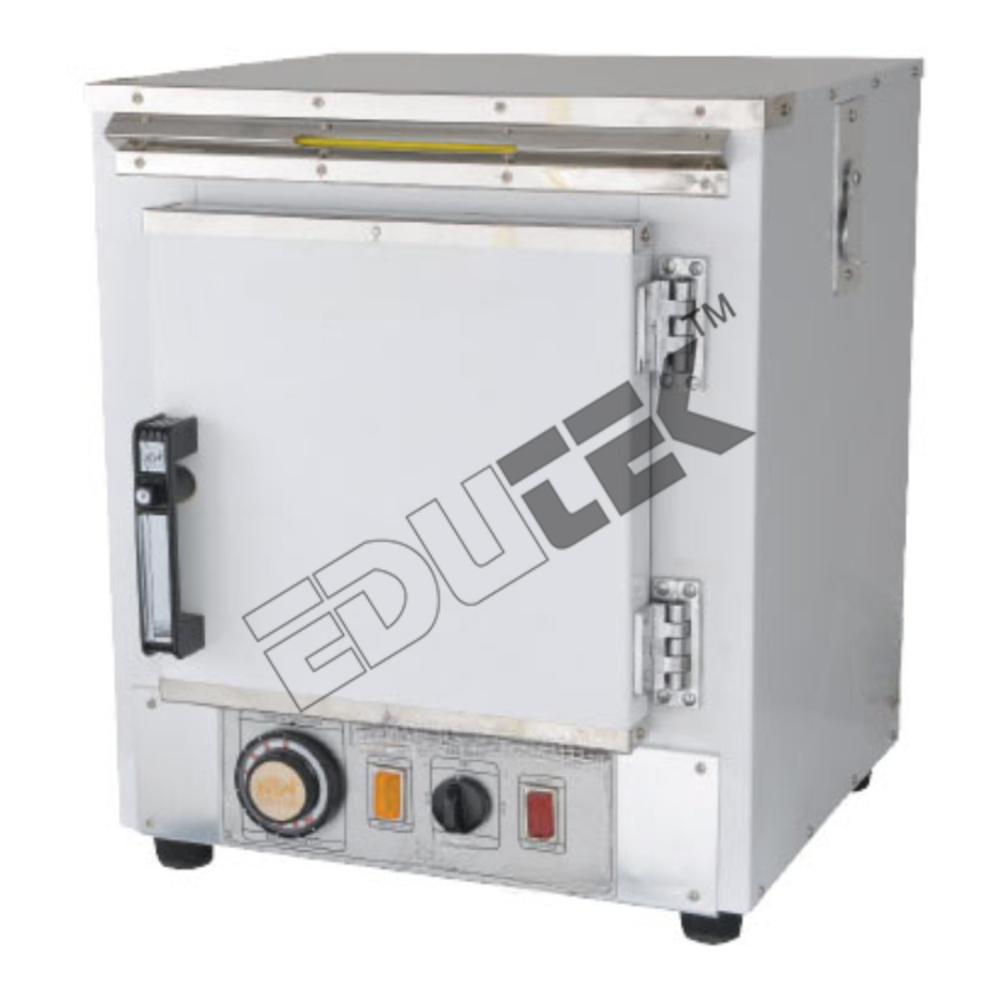
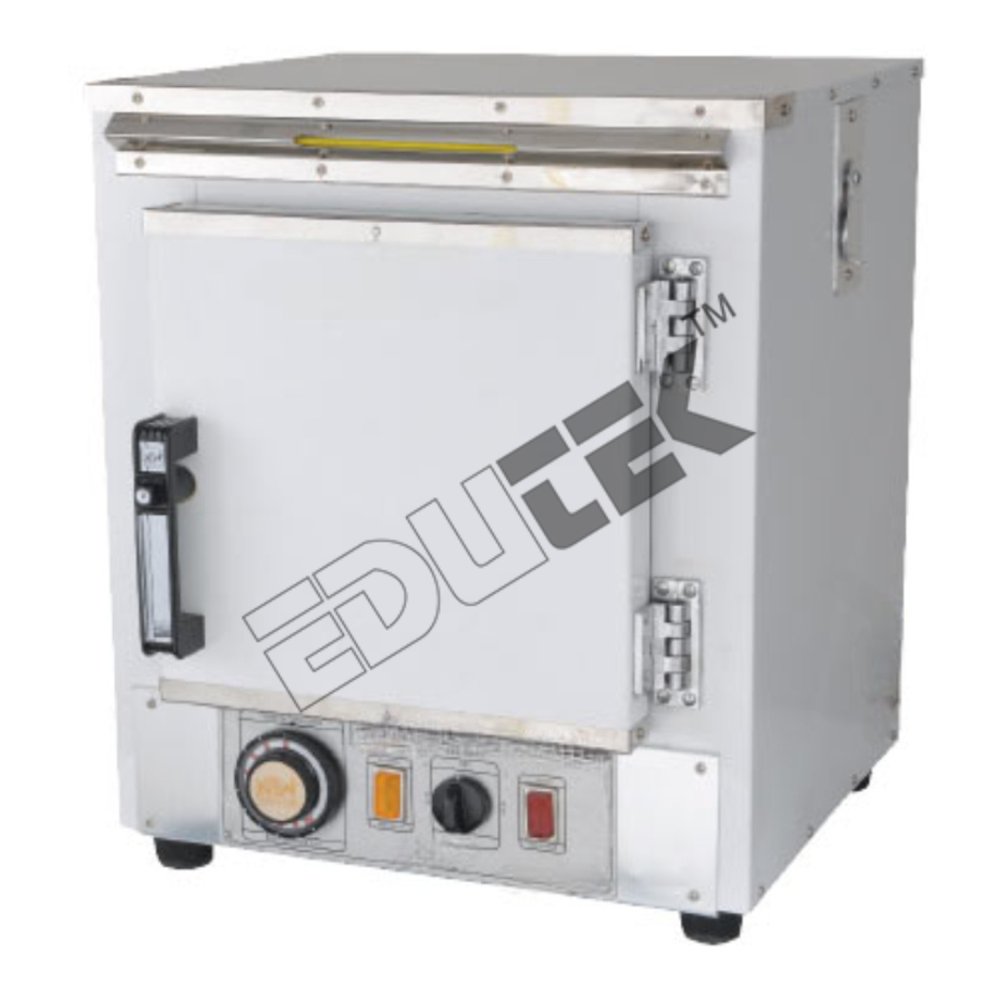
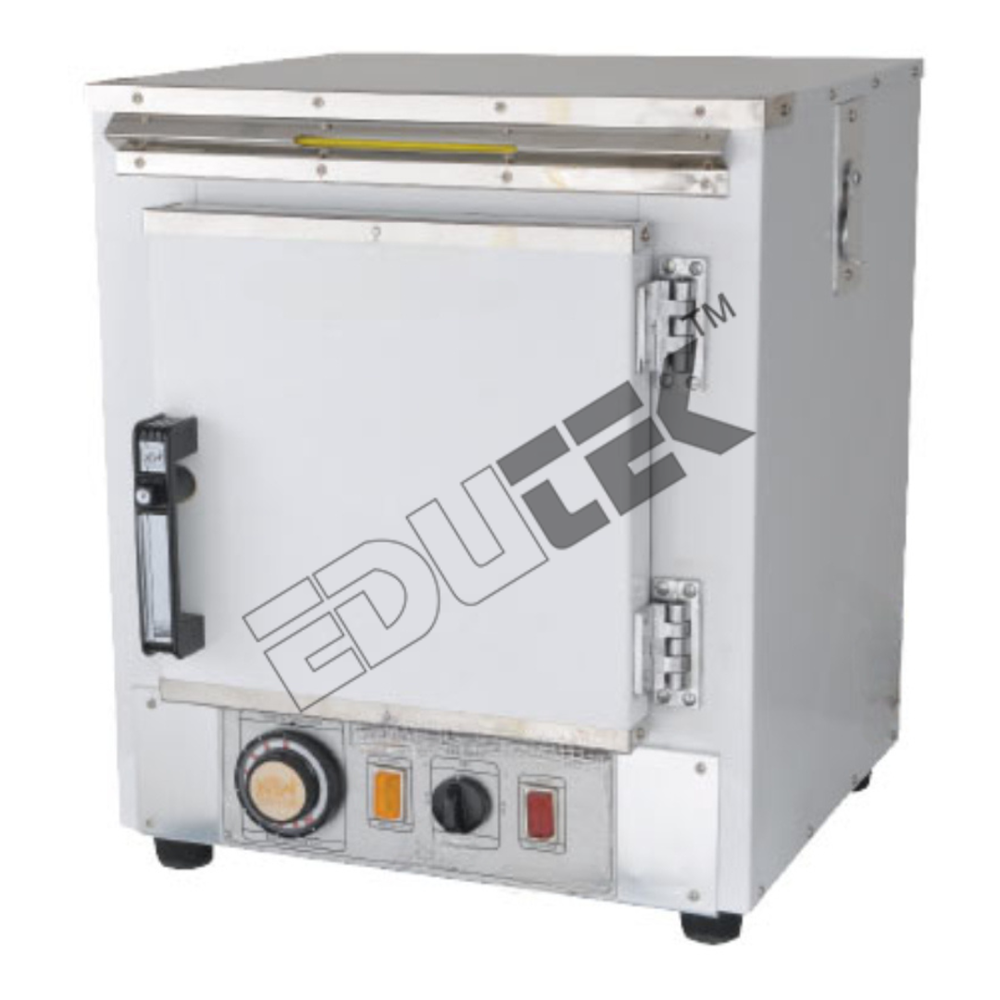
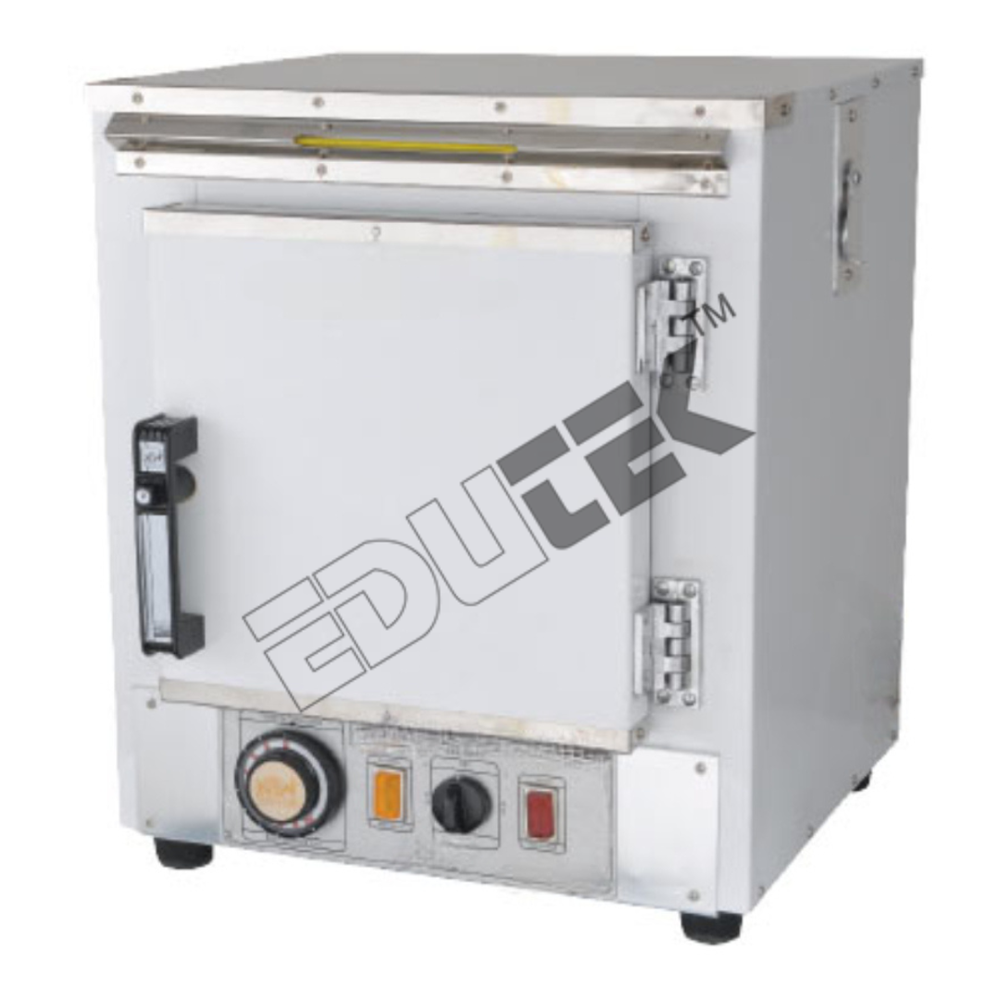
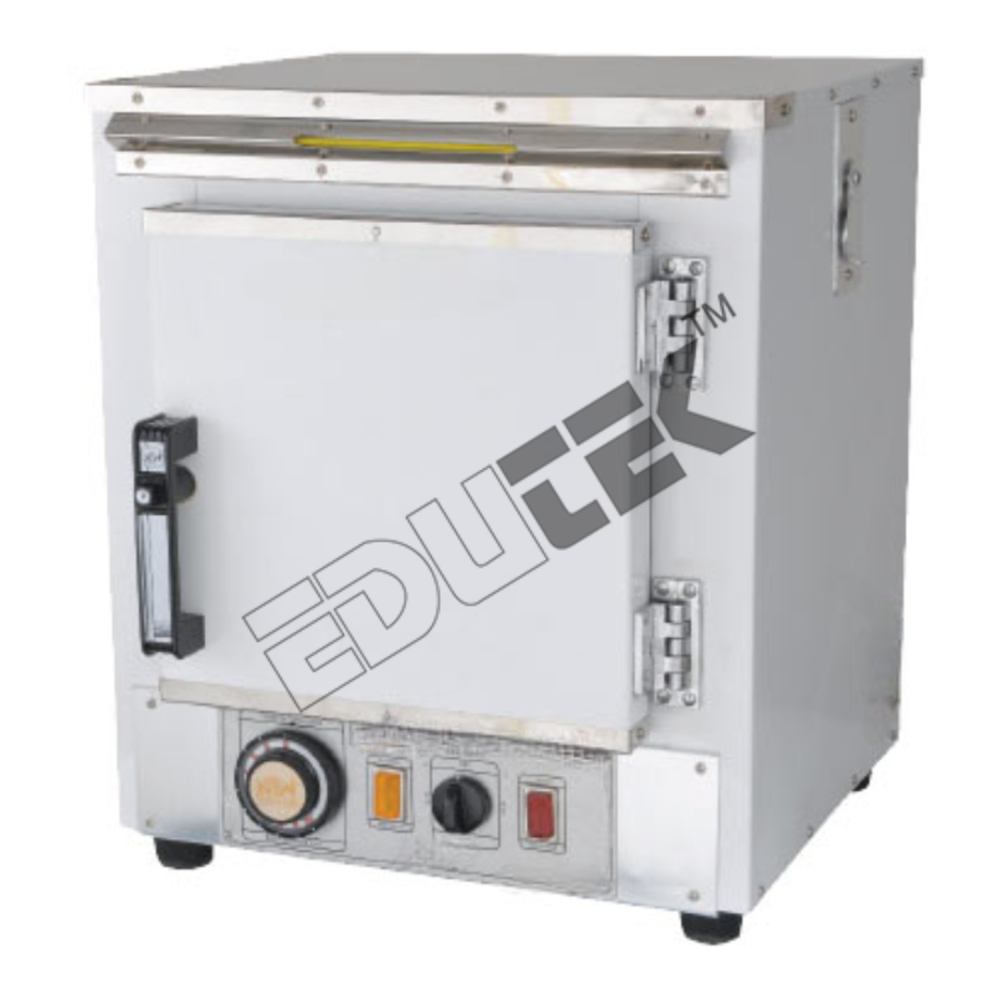
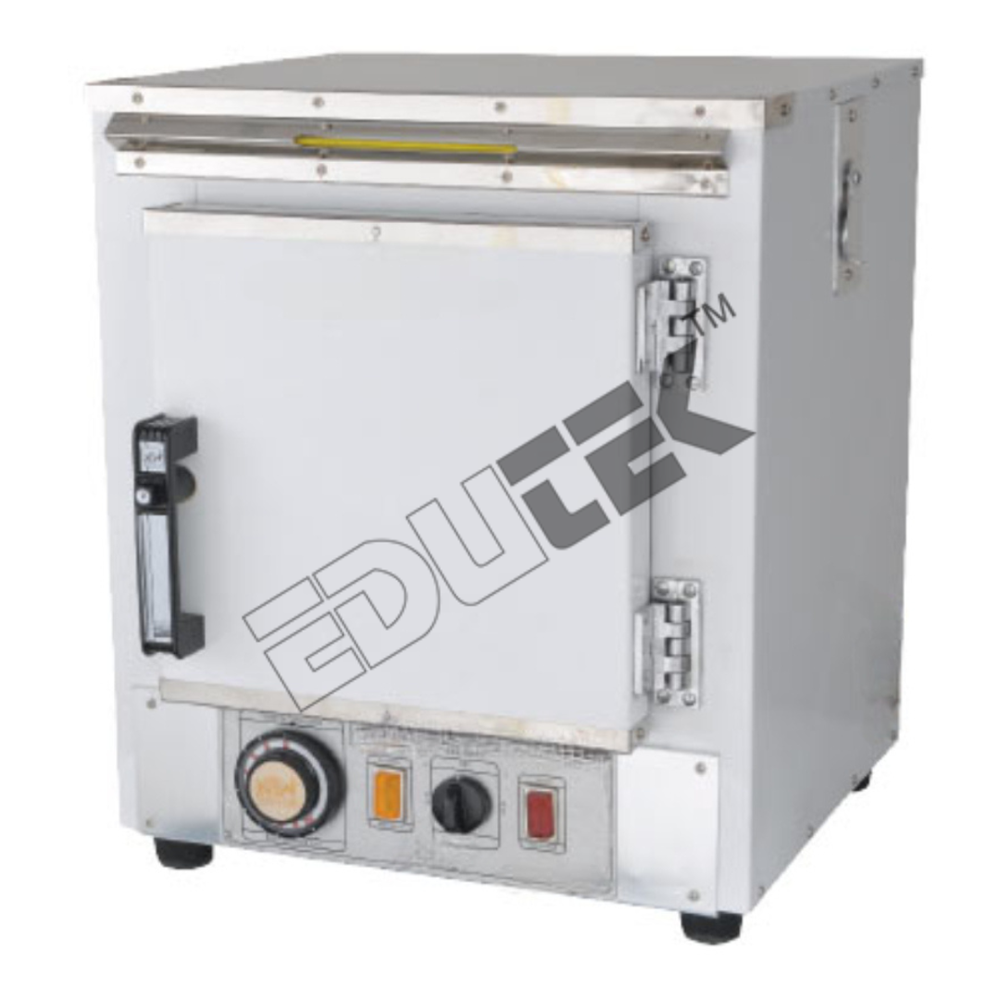
Hot Air Sterlizer (Cat No. - 11919)
Specifications of Hot Air Sterlizer
Double walled suitably insulated temp. control 50°C to 250°C ±1°C by E.G.O. thermostat inner chamber aluminium / stainless steel. Fitted with L shape thermometer. Available in Aluminium & S,S, in various sizes.
Inner chamber size :
| Size of chamber in inchs (WxHxD) |
| 12" x 12" x 12" |
| 14" x 14" x 14" |
| 16" x 16" x 16" |
| 18" x 18" x 18" |
| 24" x 18" x 18" |
| 24" x 24" x 24" |
| 36" x 24" x 18" |
Efficient and Safe SterilizationThis hot air sterilizer utilizes advanced features, such as a glass wool-insulated double wall and safety thermostat, to ensure consistent and reliable sterilization. The motorized blower promotes uniform temperature distribution, while the digital LED display enables accurate monitoring. Its hinged, gasket-sealed door minimizes heat loss, making the process energy efficient and safe for laboratory and hospital environments.
User-Friendly Design for Professional SettingsWith a storage capacity of approximately 100 liters and two versatile stainless steel trays, this sterilizer accommodates a significant quantity of glassware and metal instruments per cycle. Its simple mechanical timer (up to 120 minutes) and semi-automatic controls provide convenience for busy professional settings, including labs, clinics, and research institutes. The white and blue mild steel exterior is durable and easy to maintain.
Precision and Durability CombinedEngineered for reliability, the hot air sterilizer features a mirror-polished inner chamber for corrosion resistance and easy cleaning. Its nichrome wire heating elements and robust construction assure long service life, while the capillary thermostat and overheat protection deliver dependable temperature accuracy for effective sterilization every cycle.
FAQs of Hot Air Sterlizer :
Q: How does the hot air sterilizer ensure uniform heat distribution during operation?
A: The sterilizer incorporates a motorized blower that circulates hot air within the chamber, guaranteeing uniform heat distribution across all surfaces, including the contents on both stainless steel perforated trays. This aids in effective and even sterilization.
Q: What is the process for sterilizing glassware or metal instruments with this device?
A: Place your glassware or metal instruments on the stainless steel trays inside the chamber. Set the desired temperature using the capillary thermostat (between 50C and 250C), adjust the mechanical timer for up to 120 minutes, and start the cycle. The overheat protection feature ensures safety throughout the process.
Q: When should the hot air sterilizer be used in a laboratory or hospital setting?
A: This sterilizer is ideal whenever dry heat sterilization of laboratory glassware, metal instruments, or similar items is required. Typical usage includes preparing sterilized equipment before experiments or clinical procedures to maintain aseptic conditions.
Q: What benefits does the insulated double-walled construction provide?
A: The glass wool-insulated double wall minimizes heat loss, improves energy efficiency, and helps maintain consistent internal temperatures. This construction also protects users from external surface heat and ensures sustained sterilization conditions.
Q: Where is the hot air sterilizer best suited for implementation?
A: The device is suitable for laboratories, clinics, hospitals, and research institutes where reliable and efficient dry heat sterilization is essential. Its robust construction and user-friendly design make it well-suited for both routine and specialized sterilization tasks.
Q: How accurate is the temperature control, and how is it displayed?
A: Temperature control is managed by a capillary thermostat with an accuracy of 2C, allowing precise adjustments between 50C and 250C. The current temperature is clearly shown on a digital LED display for easy monitoring.
Q: What safety features does this hot air sterilizer offer?
A: The unit is equipped with a safety thermostat for overheat protection, a gasket-sealed hinged door to prevent heat leakage, and a mechanical timer to avoid extended operation. These features collectively ensure user and equipment safety throughout the sterilization process.




 Send Inquiry
 Send Inquiry

