About Rotarod Apparatus
Rotarod Apparatus
Specifications of Rotarod Apparatus
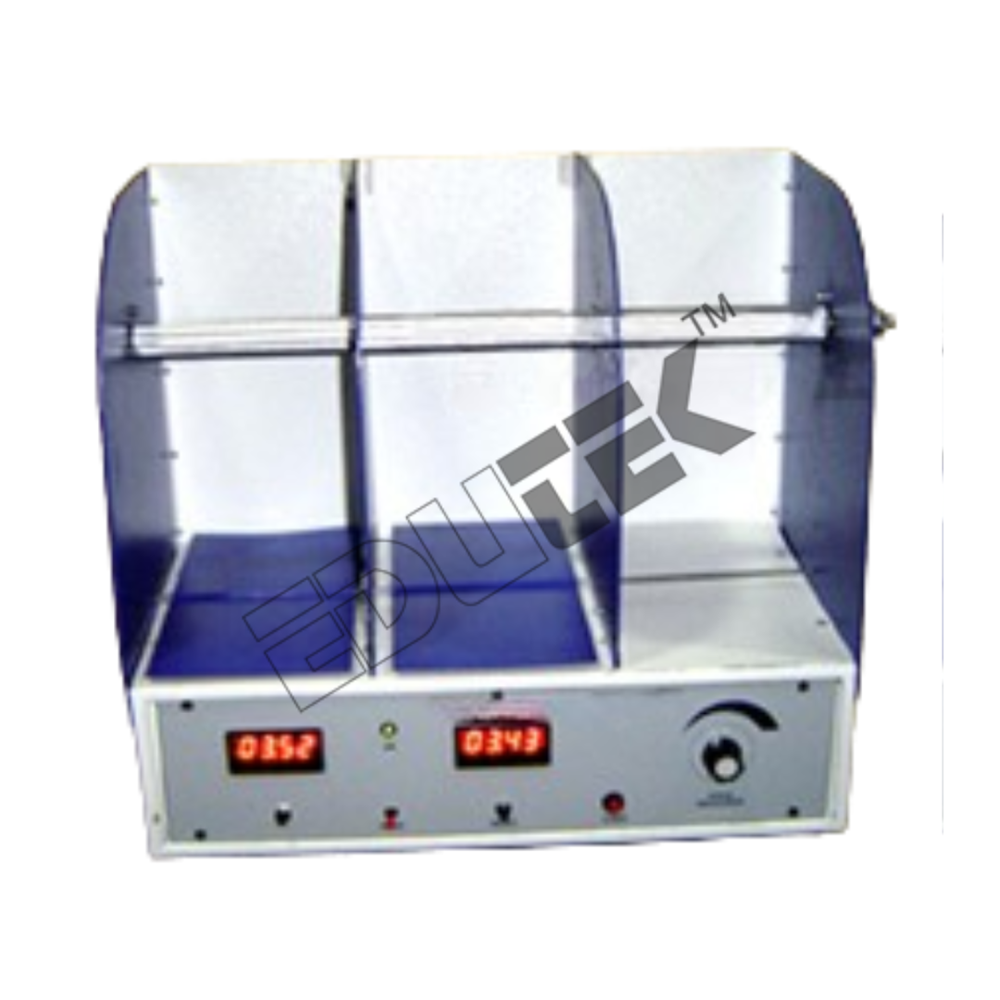
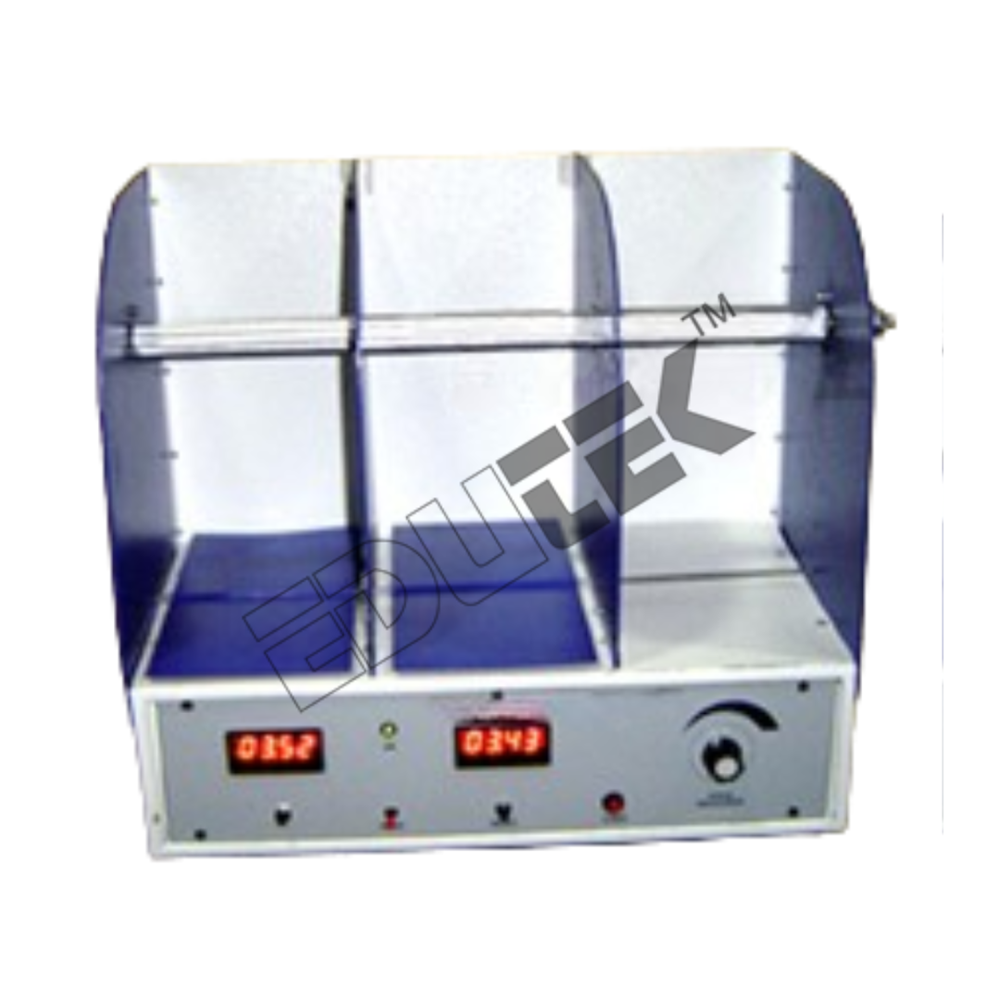
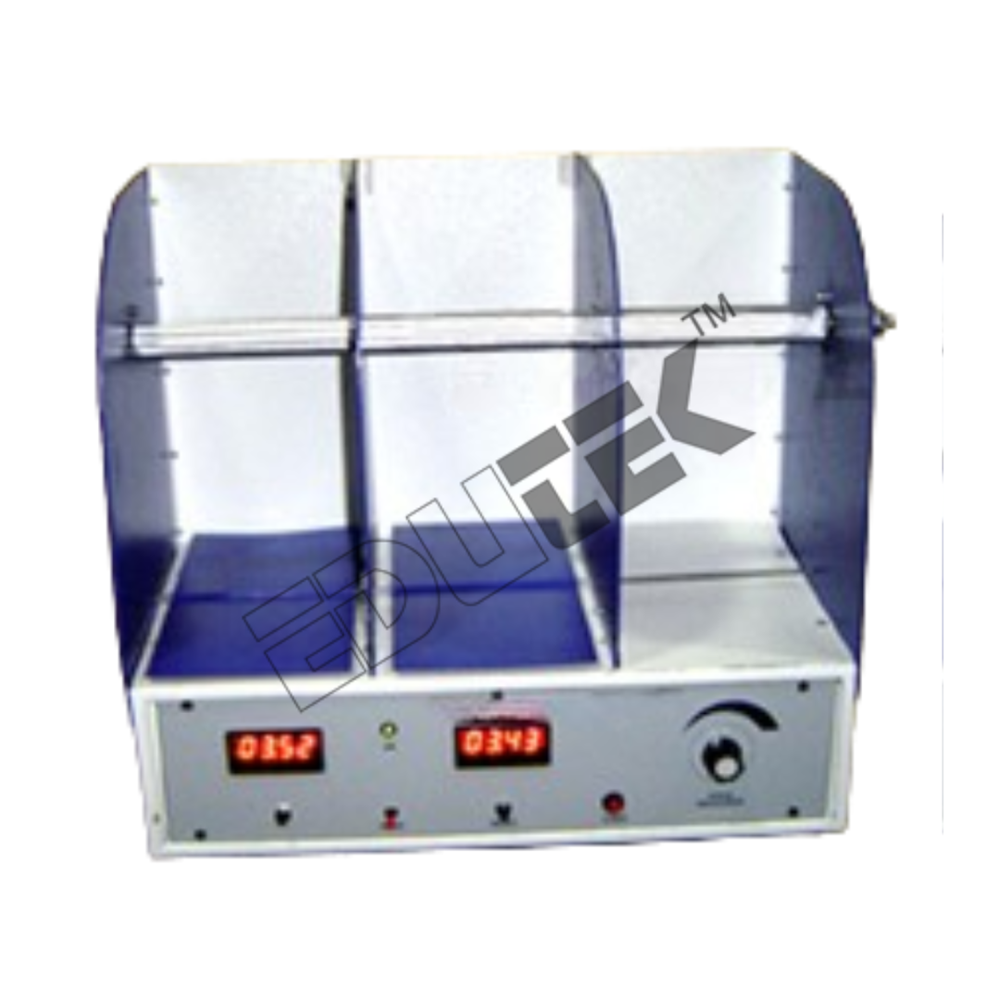
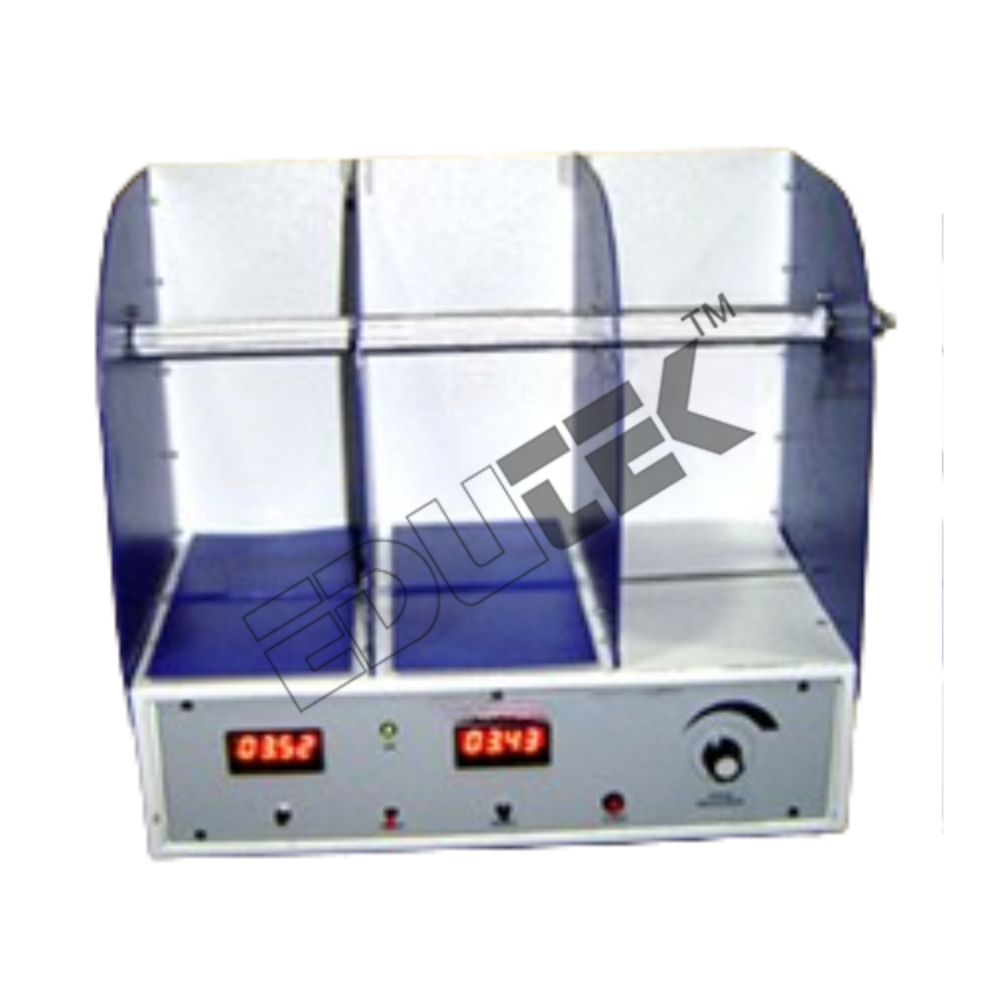
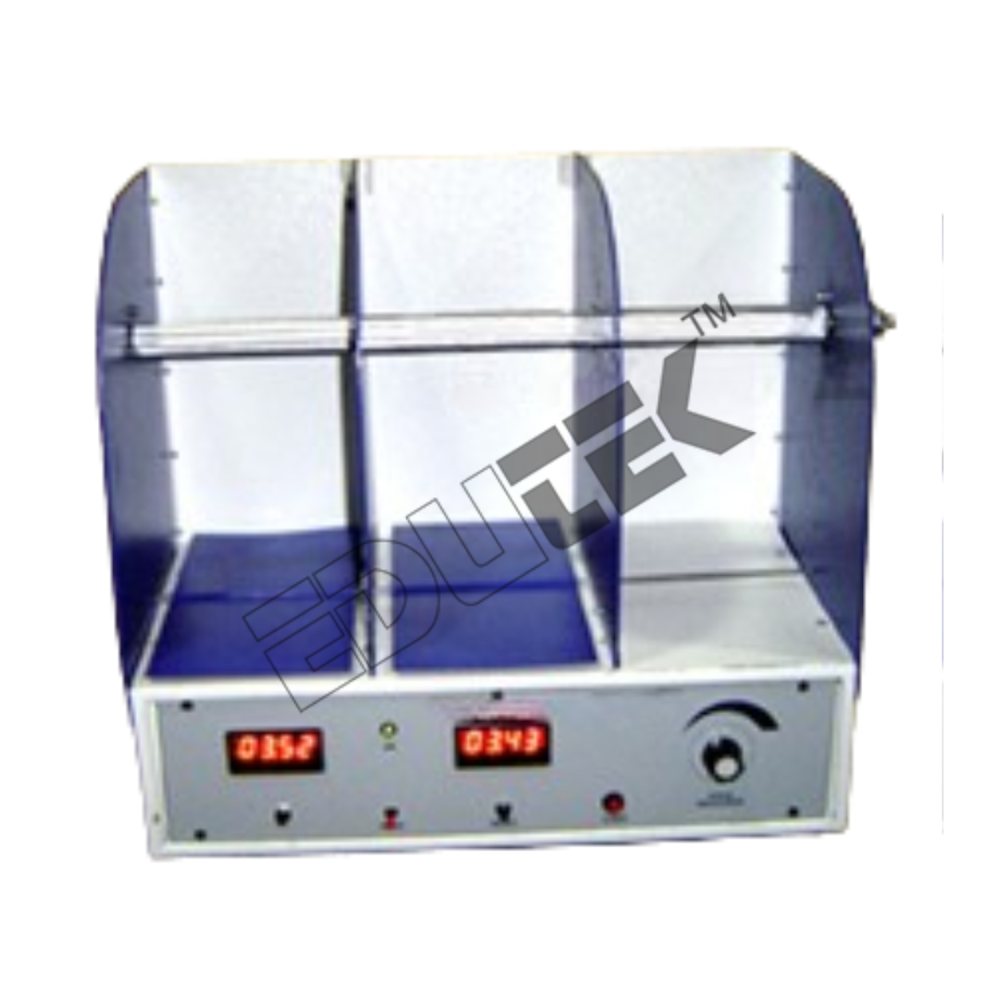
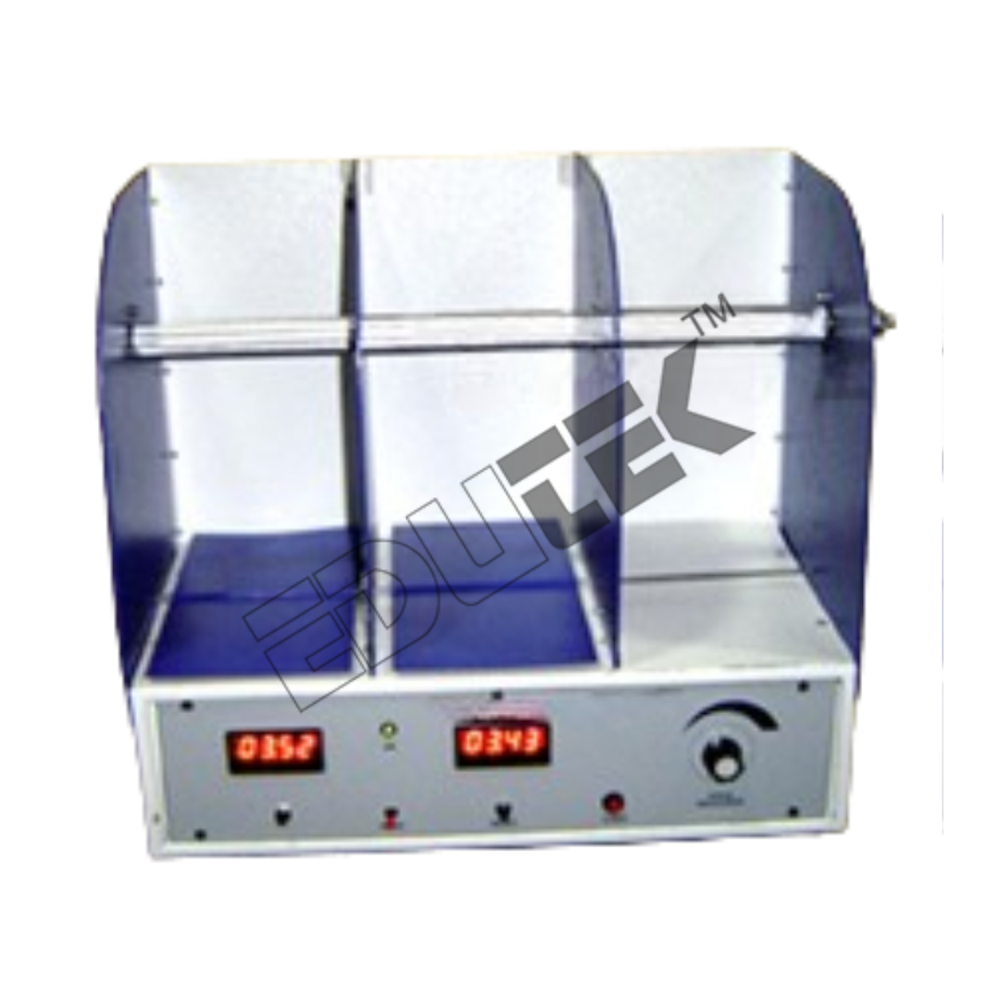
For determining neuro-pixicity, muscle tone, balance and motor co-ordination in rats and mice. Consisting of two or three or four compartments of 75mm width each with a rotating rod of 25mm diameter having speeds of 5, 10, 15, 20 and 25 rpm with time interval counter in each compartments.
Reliable Assessment of Motor Skills in RodentsDesigned for laboratory use, the Rotarod Apparatus offers dependable evaluation of motor coordination and endurance. Its robust construction, precise digital display, and individual fall detection sensors deliver accurate measurements for each compartment, supporting rigorous testing protocols in behavioral research.
User-Friendly Design and High DurabilityThis Rotarod model is built for convenience and longevity, featuring a powder-coated body, stainless steel rods, and a straightforward tabletop setup. Its semi-automatic function allows switching between manual and preset modes, accommodating varying experimental needs while remaining intuitive to operate.
Advanced Features for Scientific ApplicationsEquipped with adjustable speed (2-40 rpm), a wide timer range (0-999 seconds), and individual compartment sensors, the apparatus facilitates detailed motor skill studies. The digital LED display enhances usability, and its reliable construction ensures consistent results in non-condensing laboratory environments.
FAQs of Rotarod Apparatus :
Q: How does the Rotarod Apparatus measure motor coordination in laboratory animals?
A: The device measures motor coordination by recording the time an animal remains walking on a rotating stainless steel rod. Each compartment has a dedicated fall sensor to detect when an animal falls, ensuring that the digital timer records individual latency accurately.
Q: What type of animals and studies is this Rotarod Apparatus suitable for?
A: It is primarily designed for mice and rats and is widely used in behavioral and neurological research to evaluate motor skills, balance, and endurance. The four or five compartment configuration lets researchers test multiple animals simultaneously under comparable conditions.
Q: When should the Rotarod Apparatus be operated in manual versus preset mode?
A: Manual mode is ideal when researchers want to manually control the test parameters or adjust them during experiments. Preset mode is recommended for standardized, repeatable tests where consistent speed and timer settings are crucial for comparative studies.
Q: Where is the Rotarod Apparatus typically used?
A: This apparatus is commonly used in academic, pharmaceutical, and research laboratories within institutions focusing on neurobiology, pharmacology, and behavioral science. Its sturdy, compact tabletop design supports use in diverse laboratory environments.
Q: What benefits does the individual fall sensor offer?
A: The individual fall sensor for each compartment ensures precise detection of each animals fall moment. This feature enables the LED display to provide accurate, compartment-specific timing data, resulting in reliable measurements for individual test subjects.
Q: How do you set up and use the Rotarod Apparatus in a laboratory setting?
A: Place the apparatus on a stable, flat surface, connect to a 220V AC power supply, and set the desired speed and timer using the digital controls. Place animals in the compartments, start the test (manual or preset), and observe the digital display for real-time data.




 Send Inquiry
 Send Inquiry

