About Graduated Glass Cylinder
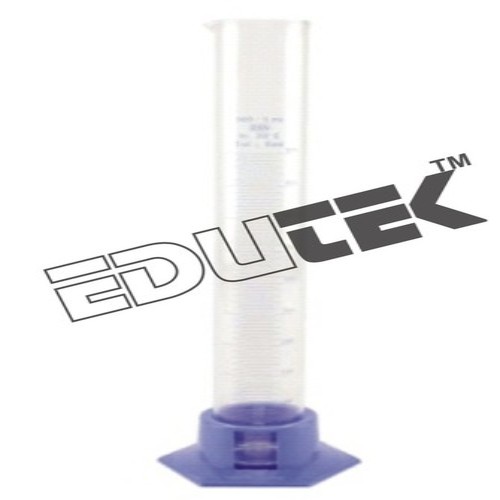
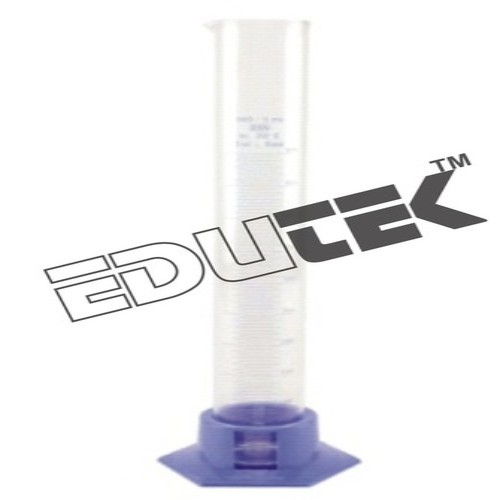
GRADUATED GLASS CYLINDERS:
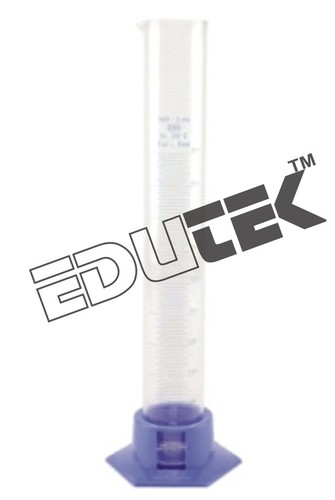
Borosilicate Glass. Base Round. With safety ring to prevent damage in case the cylinder should tip over.
- Capacity(ml) Diameter (mm)
- 10 0.2
- 50 0.5
- 100 1.0
- 250 2.0
- With detachable plastic base.
GRADUATE CYLINDER (ETS-159B)
- 100 cc,
- 500 cc,
- 1000 cc
- Acid resistance glass graduated cylinder
- Durable polypropylene.
CYLINDER
- Graduated,
- Double metric,
- With stopper
- 25ml,
- 50ml, each.
Our graduated glass cylinders guarantee 100% accuracy in measuring liquid volumes, ensuring that laboratory results remain reliable and reproducible. The clear graduated markings assist in quick reading and prevent measurement errors, reinforcing the precision your experiments require.
Built for Chemical ResistanceConstructed from high-quality acid-resistant glass and polypropylene, these cylinders endure exposure to harsh chemicals commonly found in laboratories. Their robust materials maintain structural integrity, reduce corrosion risks, and extend equipment lifespan even in demanding laboratory settings.
FAQs of Graduated Glass Cylinder:
Q: How is the Graduated Glass Cylinder used in laboratory procedures?
A: The cylinder is used to accurately measure and dispense specific volumes of liquids in various laboratory experiments, ensuring precise formulation and consistency.
Q: What are the advantages of the acid-resistant feature in this graduated cylinder?
A: The acid resistance ensures that the cylinder can safely handle corrosive substances without degrading, making it suitable for use in chemical analyses and research involving acidic solutions.
Q: When should I choose between the 10, 50, 100, or 250 mL capacity cylinders?
A: Selection depends on the volume required for your experiment. Use smaller capacities for precise, small-scale measurements, and larger capacities for bulk liquid handling.
Q: Where can these graduated cylinders be sourced from?
A: They are available directly from the manufacturer, exporter, or supplier, making them accessible to laboratories worldwide through diverse distribution channels.
Q: What is the process of ensuring 100% accuracy in measurements with this cylinder?
A: The process involves using the clear graduation marks, positioning the cylinder on a flat surface, and reading the liquid level at eye level to avoid parallax errors.
Q: Why is polypropylene used in the construction of these graduated cylinders?
A: Polypropylene adds durability, chemical resistance, and flexibility, which enhances the longevity and reliability of the cylinder in laboratory conditions.
Q: What benefits does the graduated glass cylinder offer to laboratory users?
A: Users benefit from precise measurements, chemical resistance, standard sizing compatibility, and a glass construction that supports frequent, safe use in rigorous laboratories.




 Send Inquiry
 Send Inquiry

