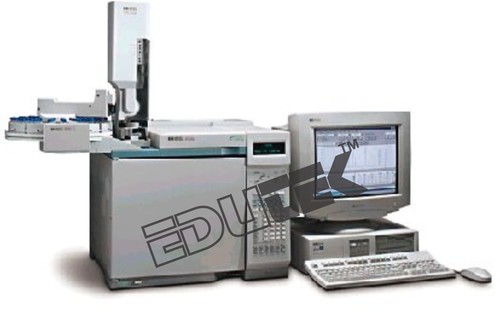
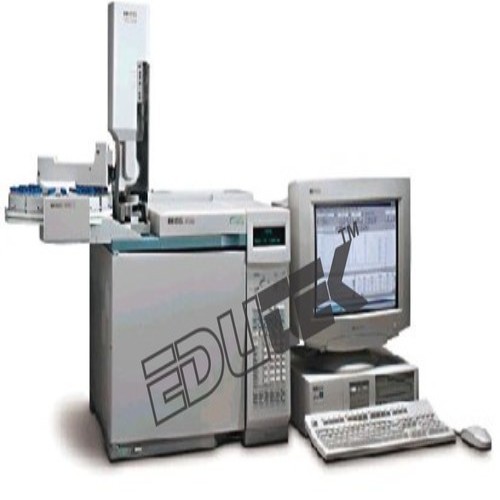
About Gas Chromatography
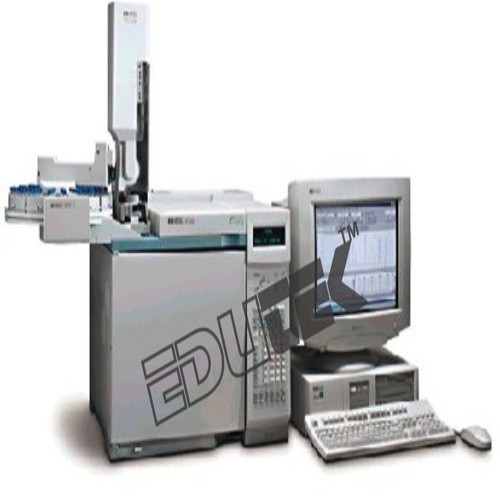
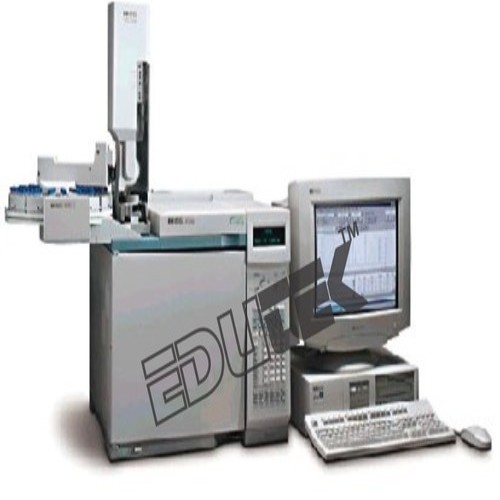
GAS CHROMATOGRAPHY WITH PID DETECTOR- Temperature Range:7C ~ 400C above room temperature, (increment 1C),
- Temperature Control Object : Column Box,
- Front and back detector,
- Front and back sampler,
- Assist,
- Total six channels,
- Program ramps : 7 ramps in total,
- Program setting:0.1c~40C / min (increment 0.1C),
- Total time of total program : Up to 655 minutes, (increment 0.1C),
- Minimum detectable quantity: M810-12g/s (C16),
- Best test result: M310-12g/s (C16),
- Noise: 510-14A,
- Drift: 610-13A/h,
- Linearity range: 106
High Sensitivity and VersatilityWith a photoionization detector capable of detecting compounds at concentrations from parts per billion (ppb) to parts per million (ppm), this system is tailored for laboratories that demand both trace and routine analysis. Its adaptability for both manual and automatic sample injection offers convenience and efficiency to meet diverse workflow requirements.
Programmable Oven and Digital ControlThe programmable column oven allows precise temperature profiles up to 250C, ensuring optimal separation for various analytical needs. Coupled with intuitive digital controls and an easy-to-read digital display, users can efficiently manage processes and monitor every stage for high analytical accuracy.
Durable Construction and User-Friendly InterfaceConstructed from high-grade stainless steel and borosilicate glass, this instrument ensures long-term durability even under rigorous laboratory environments. The comprehensive digital/PC interface and GC data acquisition software support seamless data output and analysis, making it ideal for researchers and quality control professionals alike.
FAQs of Gas Chromatography:
Q: How does the photoionization detector (PID) enhance the analysis in this gas chromatograph?
A: The PID offers exceptionally high sensitivity, capable of detecting volatile organic compounds down to ppb levels. This allows for the accurate identification and quantification of trace impurities, making the instrument suitable for precise laboratory analytical testing.
Q: What types of sample injection methods are supported by this system?
A: This gas chromatograph supports both manual and automatic sample injection options, providing flexibility to users based on their workflow and sample throughput requirements.
Q: When should nitrogen versus helium be used as the carrier gas?
A: The choice between nitrogen and helium as a carrier gas depends on analysis requirements. Helium often provides faster elution and better resolution, while nitrogen can be cost-effective. Selection is typically based on the specific analysis and laboratory protocols.
Q: Where can this gas chromatography instrument be installed?
A: With its compact dimensions (50 x 47 x 34 cm) and robust stainless steel construction, the instrument can be placed on standard laboratory benchtops in analytical testing labs, research facilities, or quality control laboratories.
Q: What is the benefit of a programmable column oven in this system?
A: The programmable column oven allows for precise temperature control up to 250C, which optimizes the separation of analytes by enabling tailored temperature ramps for different compounds, resulting in consistent and reliable analytical results.
Q: How is data output and analysis handled with this gas chromatography system?
A: Data are exported through a digital or PC interface and are compatible with GC data acquisition software, enabling efficient capture, visualization, processing, and storage of analytical information.





 Send Inquiry
 Send Inquiry

