About Digital Tissue Processor
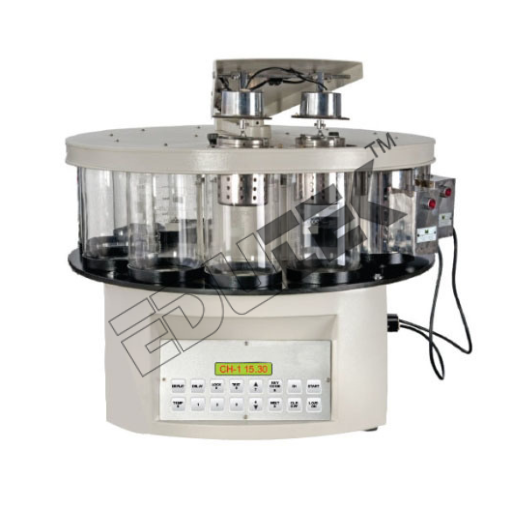
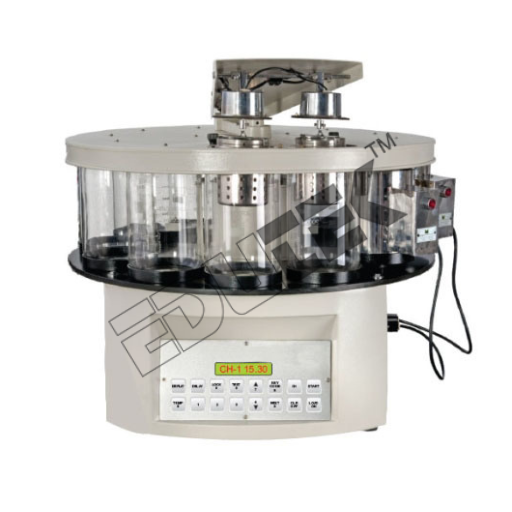
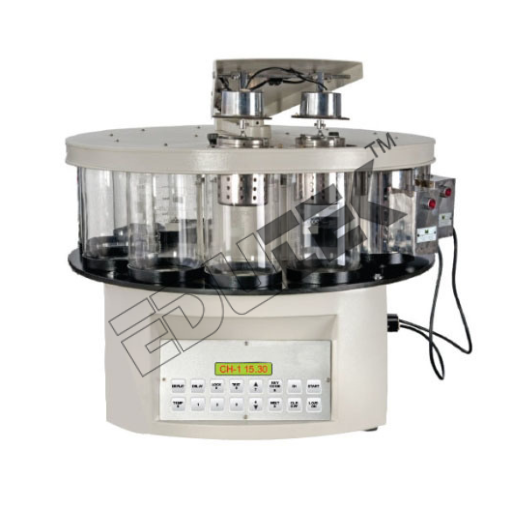
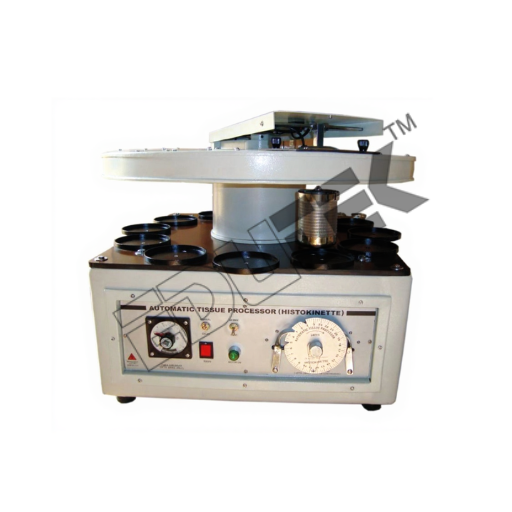
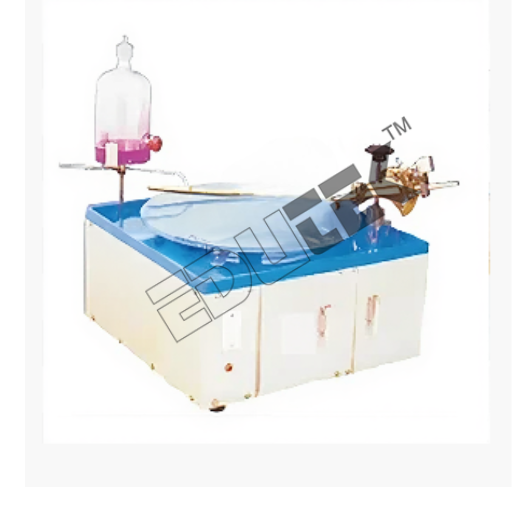
DIGITAL TISSUE PROCESSORETMT-181A
- Feather touch key pad
- Digital display for adjusting time sequence
- Battery backup to retain data
- 12 stage timing sequence can be programmed with each step of 1 minute to 16 hours 39 minutes (999 min.)
- Delay action of 1 hour to 99 hours
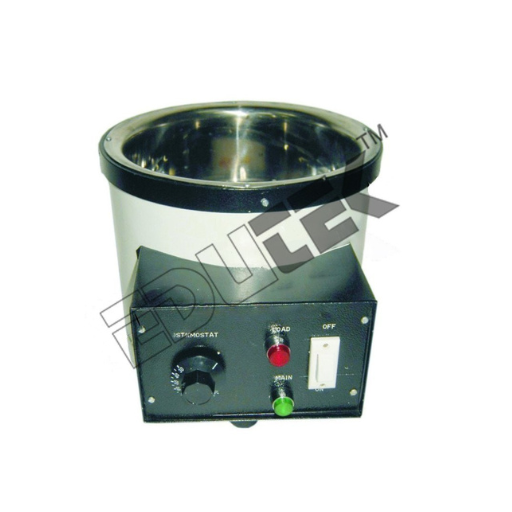
- 2 Electronically Controlled wax bath 10C to 80C
- 1or 2 Stainless Steel Basket
- 24 tissue containers (Cassettes)
- 1 or 2 Stainless steel Basket Rotors
- 10 without lip glass beakers ('/2 kr, 1 kr or 2 It)
Accessories (Optional):
- Additional Basket Rotor
- Tissue Capsule Basket SS
- Tissue Capsule with Sliding Cover
- Shape divider for Tissue Capsule
- V Shape divider for Tissue Capsule
- Additional Wax bath
Advanced Digital Control and User-Friendly OperationOperators benefit from a sophisticated digital LED screen and feather-touch keypad, enabling intuitive management of cycles and settings. Programmable timers and memory that stores multiple processing programs facilitate routine and complex procedures alike, reducing manual oversight and increasing accuracy.
Robust Safety and Maintenance FeaturesThe processor is engineered for safety and workflow reliability, featuring automatic power-off, alarm indications, and emergency stop functions. Leakproof reagent containers prevent spills, while the powder-coated mild steel body ensures longevity. Its low operating noise further enhances the lab environment.
Efficient Tissue Processing and UniformityAutomatic basket agitation promotes even reagent penetration for consistent sample quality. With a capacity to hold 80 cassettes and twelve stations with dual wax baths, this model streamlines high-volume tissue processing. Castor wheels offer effortless movement within any laboratory setting.
FAQs of DIGITAL TISSUE PROCESSOR:
Q: How does the automatic tissue processor improve efficiency in histopathology laboratories?
A: The processor automates tissue processing with programmable cycles, memory for multiple programs, and automatic basket agitation, reducing manual intervention and enhancing sample uniformity, speed, and reliability.
Q: What safety features are included to protect users and samples during operation?
A: Key safety measures include automatic power-off, alarm indications for abnormal conditions, emergency stop functions, and leakproof reagent containers, all designed to safeguard users and prevent sample loss or damage.
Q: When should the devices programmable timers and memory functions be utilized?
A: The programmable timers and memory functions are ideal for scheduling routine cycles, complex procedures, or overnight runs, allowing lab personnel to plan workflows and minimize human error in processing.
Q: Where is the Digital Tissue Processor commonly used?
A: This equipment is widely found in histopathology laboratories, hospital labs, and medical research facilities where precise and automated tissue handling is essential.
Q: What is the process for operating the tissue processor?
A: Users place tissue cassettes in the basket, select processing parameters via the digital control panel, set the cycle time and temperature, and initiate the run. The processor then agitates the basket automatically for uniform reagent exposure throughout the cycle.
Q: Can the device be easily relocated within the laboratory?
A: Yes, the processor is equipped with castor wheels, enabling smooth movement across laboratory spaces for flexible workflow arrangements.
Q: What are the benefits of using a microprocessor-controlled tissue processor over manual methods?
A: Microprocessor control ensures precise timing, consistent temperature settings, and reliable memory for processing protocols, leading to superior sample quality, faster turnaround, and reduced risk of human error.




 Send Inquiry
 Send Inquiry

