About DEVIL ABBRASION TEST MACHINE
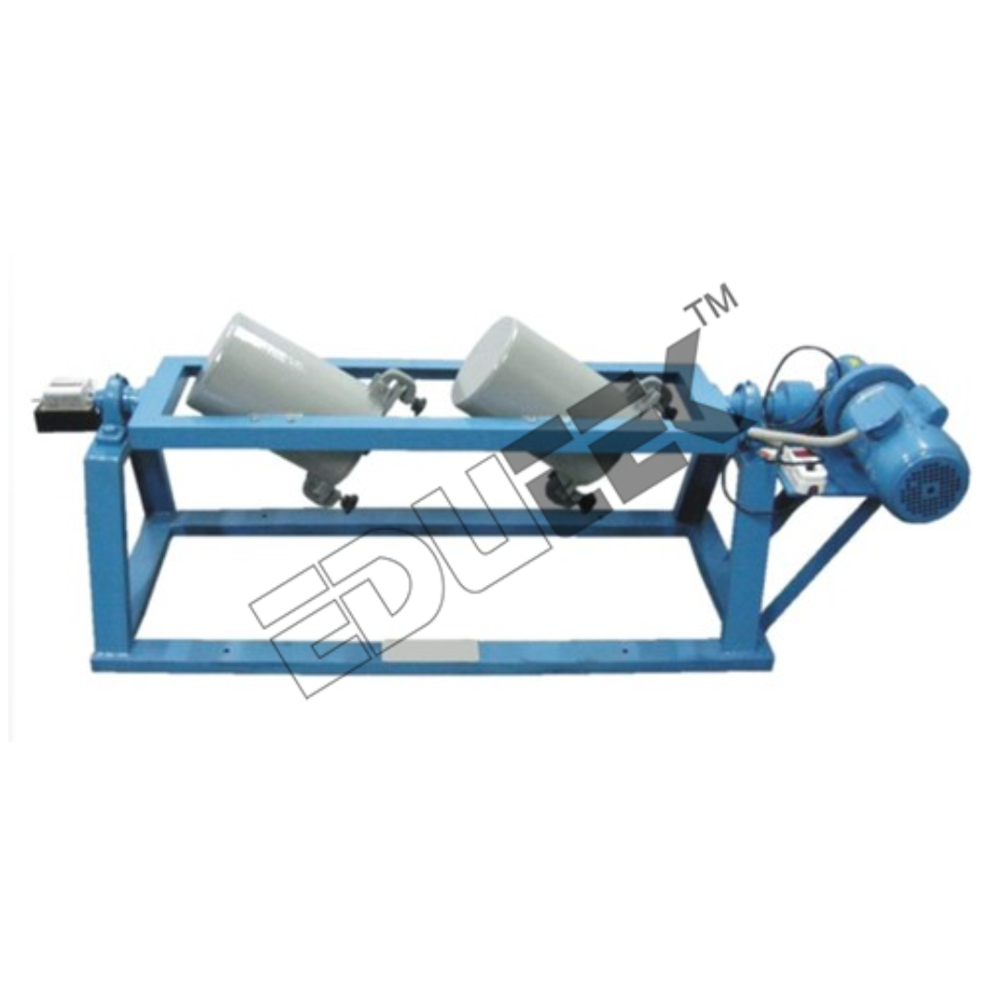
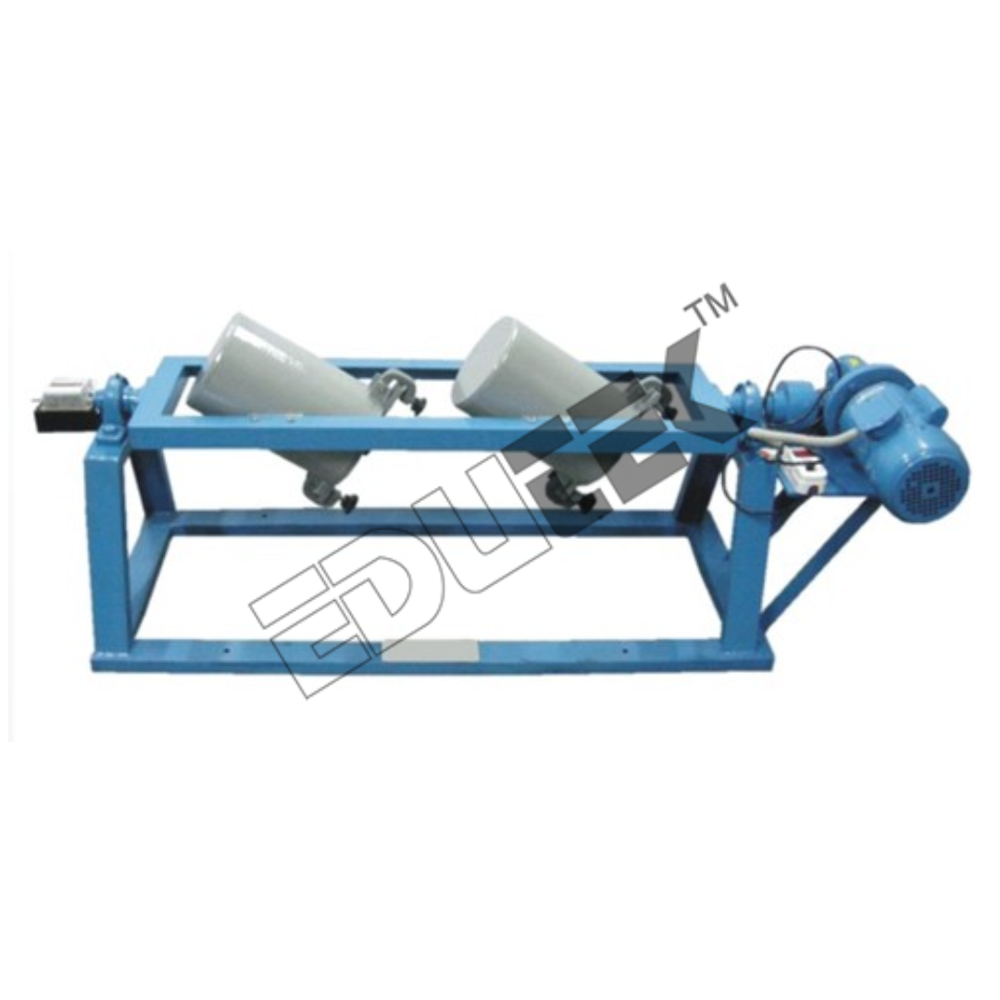
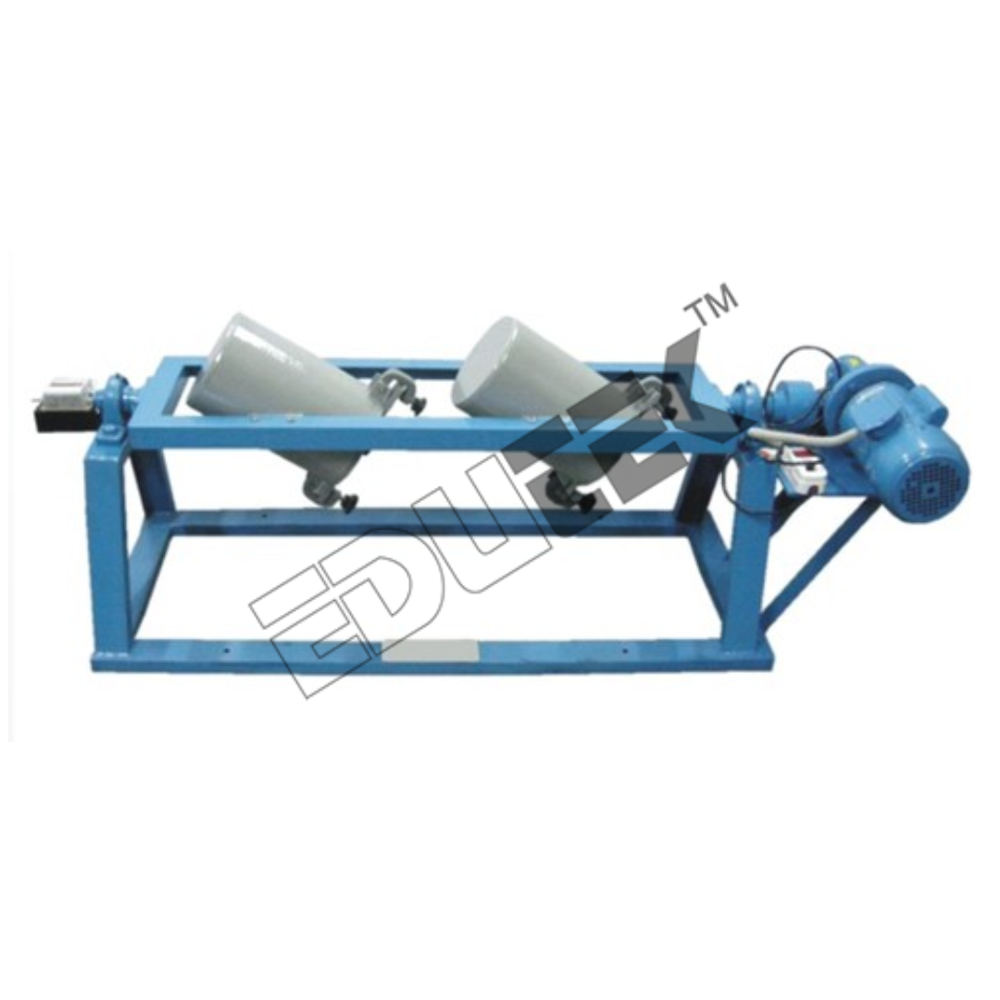
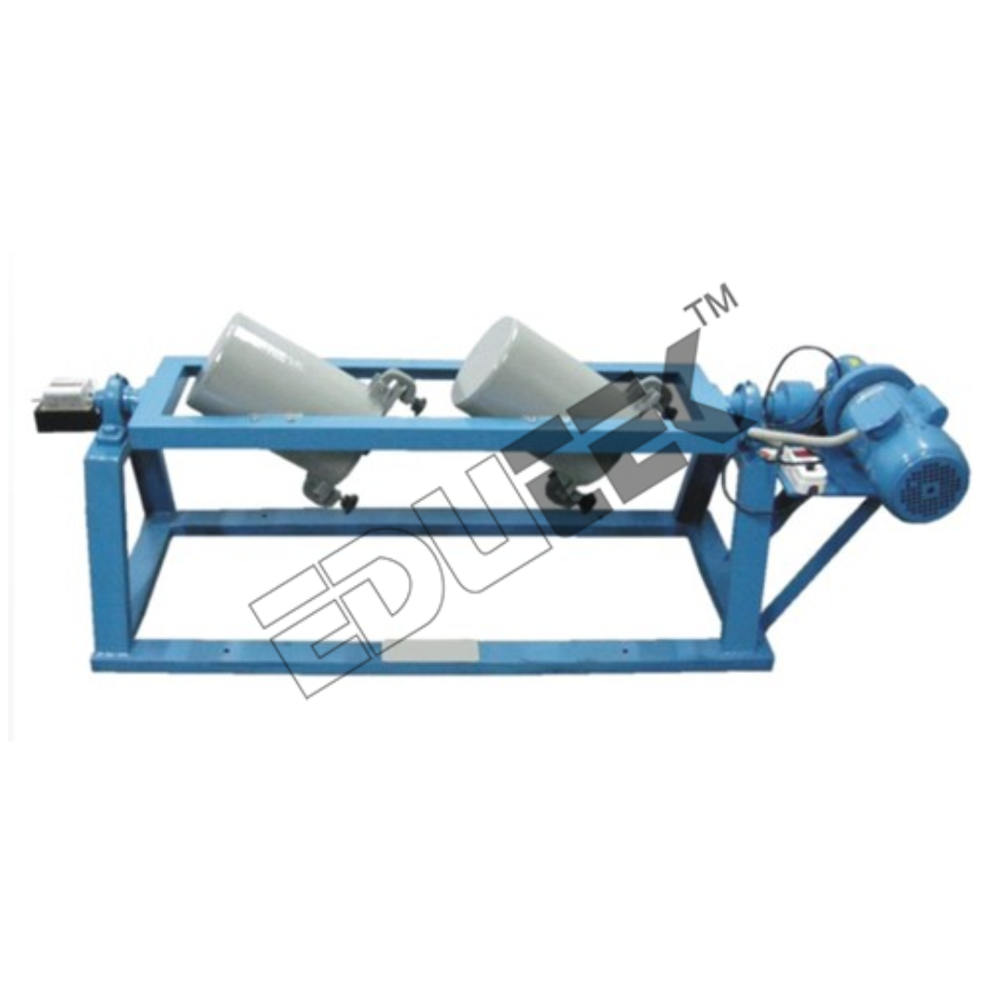
DEVIL ABBRASION TEST MACHINE
Use: Aggregate resistance to abrasion, Rotating frame is driven by a motor/speed reducer and an automatic counter is
included to preset the required number of revolutions.
Stored in enclosed area
Specifications:
- Two steel cylinders complete with covers and locking device.
- Rotating frame driven by a motor/speed reducer
- Automatic counter which can be to preset the required number of revolutions.
- Rotation speed: 33 rpm.
- Power 736 W
- Specimen size 4"maxi
- load 0 to 56 KN.
- Accuracy -+ 1%
Heavy-Duty and Versatile TestingBuilt to handle a range of materials such as fabric, leather, rubber, and PVC, the DEVIL Abrasion Test Machine stands out for its durability and reliability. Its powder-coated mild steel body ensures long service life, while easy sample changes and a semi-automatic operation streamline repetitive testing. This machine is purpose-designed for use in textiles, plastics, and leather industries, enabling consistent, repeatable abrasion testing.
Internationally Compliant and AccurateCompliant with major test standards like IS 12673, ISO 4649, and ASTM D5963, this abrasion tester delivers results you can trust. Its digital counter allows pre-setting cycles from 0 up to 9999, with auto-stop for precise, hands-free operation. A consistent rotation speed and quality emery abrasives guarantee reliability for every batch, thereby supporting validated material performance assessments.
Efficient Multi-Sample OperationWith a capacity to simultaneously test 2 to 5 samples (depending on model), users can boost productivity without sacrificing accuracy. The DEVIL Abrasion Test Machine comes with 2 to 4 sample heads and sample holders, letting users tailor the workflow to match their testing needs. Combined with a user-friendly design and clear digital display, it is suitable for both routine QC and detailed R&D investigations.
FAQs of DEVIL ABBRASION TEST MACHINE:
Q: How is the abrasion test performed using the DEVIL Abrasion Test Machine?
A: The test sample, cut to 100 x 100 mm, is mounted onto the sample holder. After setting the desired number of test cycles on the digital counter, the machine rotates the abrasive drum at 60 2 rpm against the sample. The device automatically stops once the preset cycle count is reached, allowing the user to evaluate material wear.
Q: What types of materials can be tested with this machine?
A: The DEVIL Abrasion Test Machine is suitable for abrasion testing on textiles, PVC, leather, rubber, and similar flexible materials. It supports industry standards, making it ideal for various quality control and research applications in related industries.
Q: When should I use the DEVIL Abrasion Test Machine for material analysis?
A: Use this equipment when you need to determine or compare the abrasion resistance of materials according to standardized test methods (IS 12673, ISO 4649, ASTM D5963). Its especially valuable during product development, quality control, or to verify compliance for textiles, leather, or rubber goods.
Q: Where can this abrasion test machine be installed?
A: The device is compact (about 700 x 450 x 400 mm) and requires an environment with a temperature range between 1040C and humidity up to 75%. It operates on standard 220230V AC electrical supply, allowing installation in labs, manufacturing units, and QC departments.
Q: What is the process for changing samples and heads on the machine?
A: The user-friendly design, with easy-access sample holders and interchangeable heads (2 to 4 depending on model), allows efficient sample changing. Loosen the holder, replace the sample, and secure the holder before starting the machinethis process ensures quick test setup and minimal downtime.
Q: Why is using the DEVIL Abrasion Test Machine beneficial for quality control?
A: Its precise rotation speed, accurate cycle counting (1%), conformity to international standards, and rugged build ensure reliable, repeatable results. High throughput (multiple samples per run) and easy operation make it an asset for consistent product evaluation and process optimization.



 Send Inquiry
 Send Inquiry

