About Charge Regulator
CHARGE REGULATORS
SPECIFICATION:
- Maximum power point tracking (MPPT) provides the maximum power available from the PV array Large, aluminum, die-cast heat sink allows full output current up to 45 C without thermal derating Convection-cooled design does not require a cooling fan. Integrated PV ground-fault protection for negative grounded arrays
- Input overvoltage and undervoltage protection, output overcurrent and backfeed protection Flexible Compatible with 12, 24, 36, 48, and 60 V battery systems
- Maximum array size
- 12 V: 900 watts
- 24 V: 800 watts
- 36 V: 2,700 watts
- 48 V: 3,600 watts
- 60 V: 4,500 watts
- Can charge a lower nominal-voltage battery from a higher nominal-voltage array
- Selectable two- or three-stage charging algorithms with manual equalization to maximize system performance and improve battery life
- Configurable auxiliary output
- Battery Temperature Sensor (BTS) automatically provides temperature compensated battery charging Network communication capability with Co next XW Inverter/Charger, System Control Panel (SCP), Automatic Generator Start (AGS), and other solar charge controllers
- Remote monitoring and protocol conversion is available Device short name MPPT 60 150 Electrical specifications Nominal battery voltage 12, 24, 36, 48, 60 V Max. PV array voltage (operating) 140 V Max. PV array open-circuit voltage 150 V including temperature correction factor Max. array short-circuit current 60 A (48 A @ STC) Max. charge current 60 A #6 AWG to #14 AWG (13.5 to 2.5 mm2 Max. and min. wire size in conduit ) Threestage (bulk, absorption, float) plus manual equalization
- Two-stage (bulk, absorption) plus manual equalization Charger regulation method General specifications
- Power consumption, night time 2.5 W Indoor, ventilated, sheet metal chassis with 2.2 cm and 2.8 cm (7/8 in and 1 in) knock-outs and aluminum heat sink Enclosure material Device mounting Vertical wall mount Ambient air temperature for operation (full power) -20 C to 45 C (-4 F to 113 F) Storage temperature range -40 C to 85 C (-40 F to 185 F) Operating altitude Sea level to 2,000 m (6,562 ft) Warranty Five-year Standard Features and options Display type LCD, 2 lines 16 digits Regulatory approvals Safety CSA certified (UL 1741, CSA 107.1) and CE marked for the Low-Voltage Directive (EN 50178) EMC FCC and Industry Canada (Class B) and CE marked for the EMC Directive (EN 61000-6-1, -6-3)
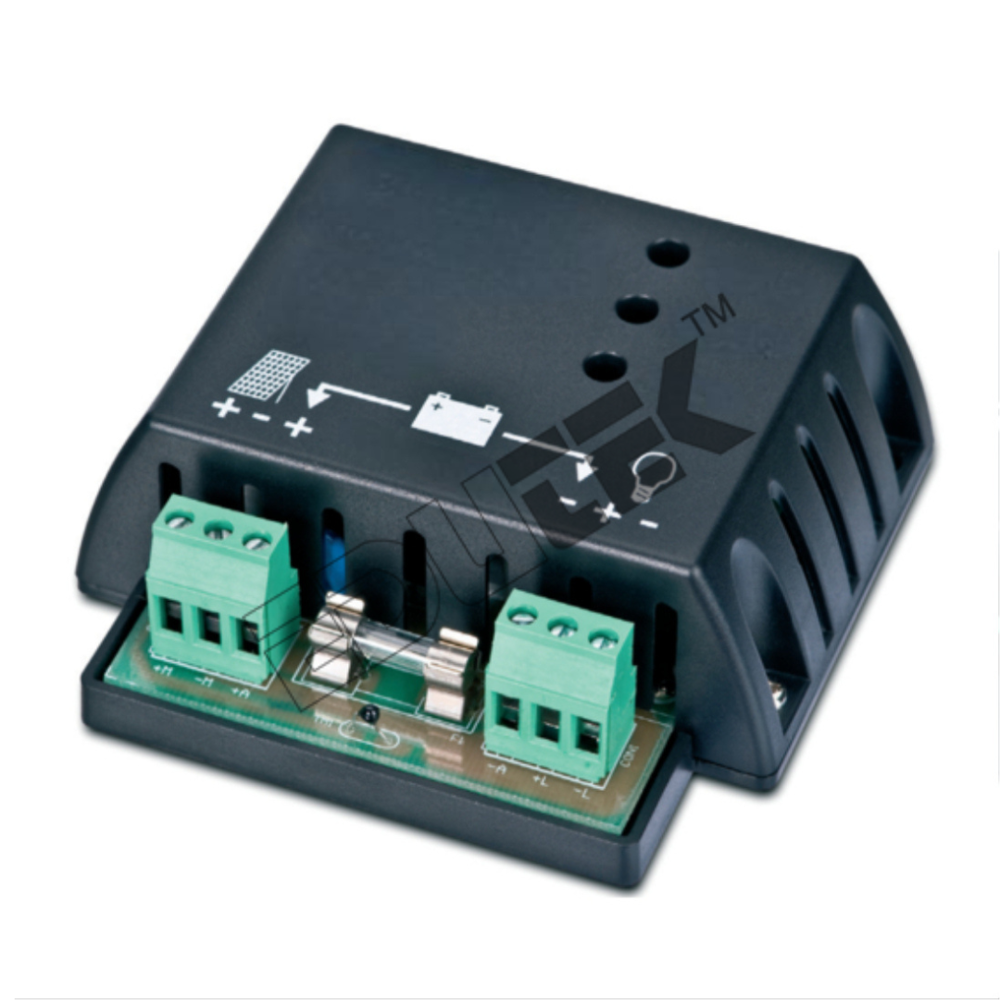
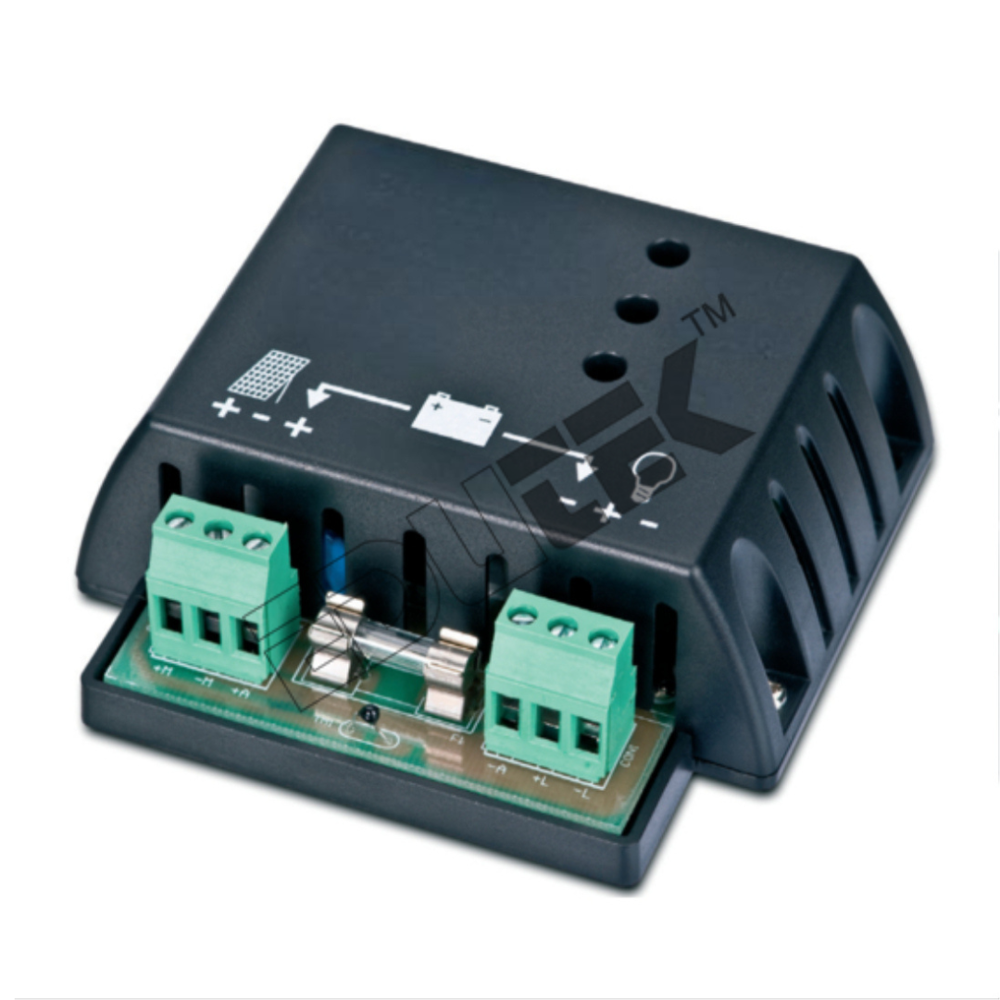
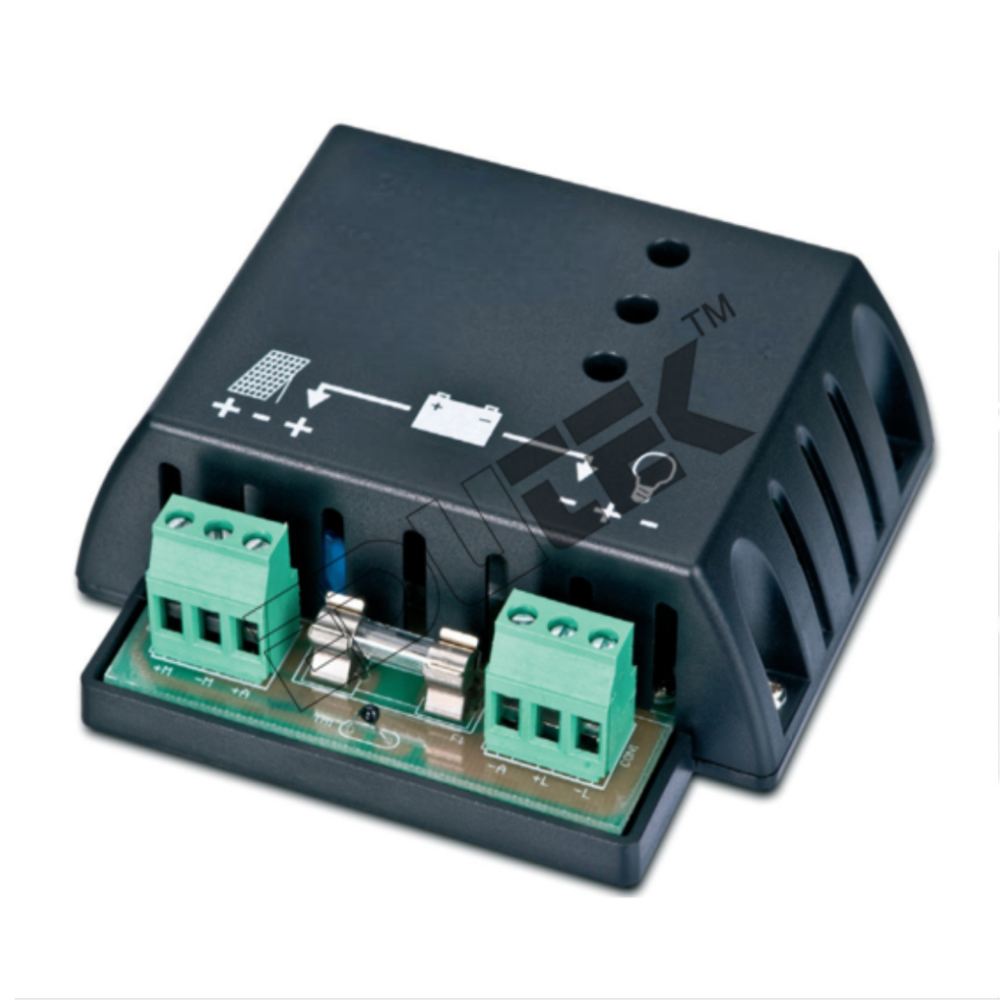
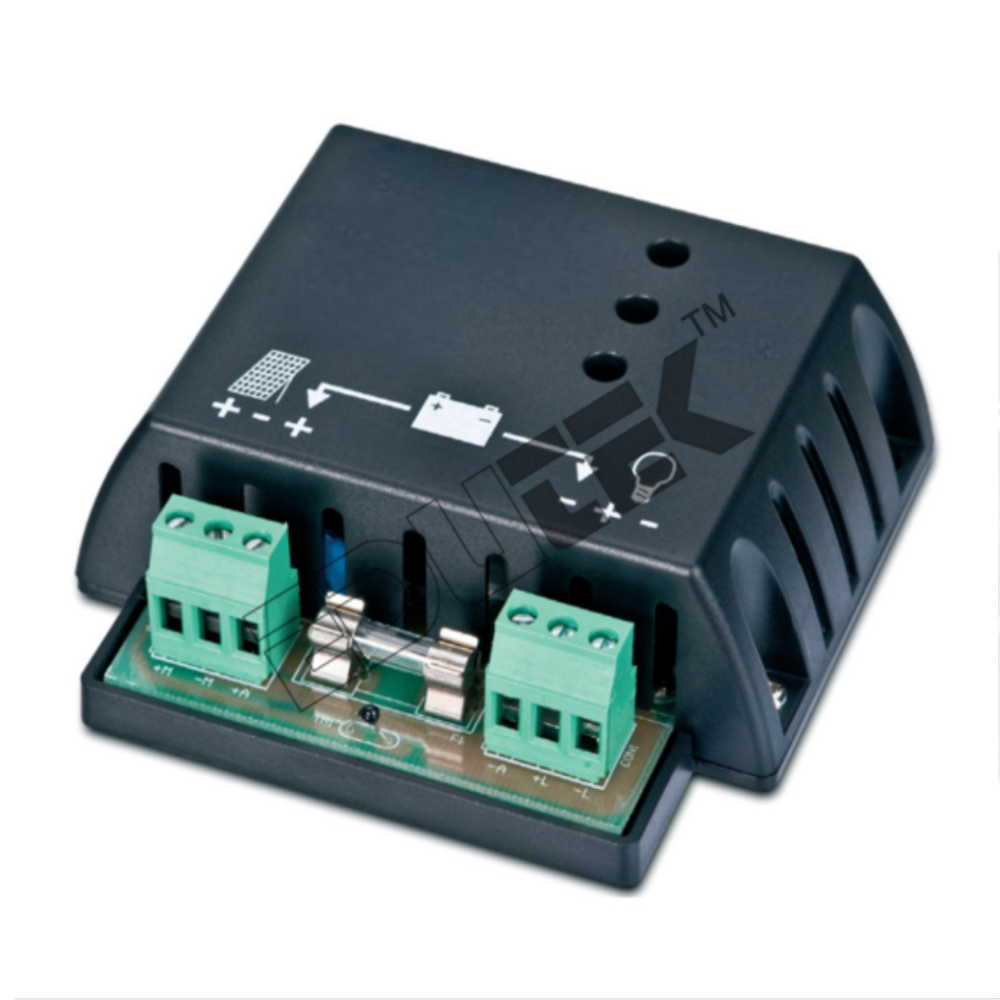
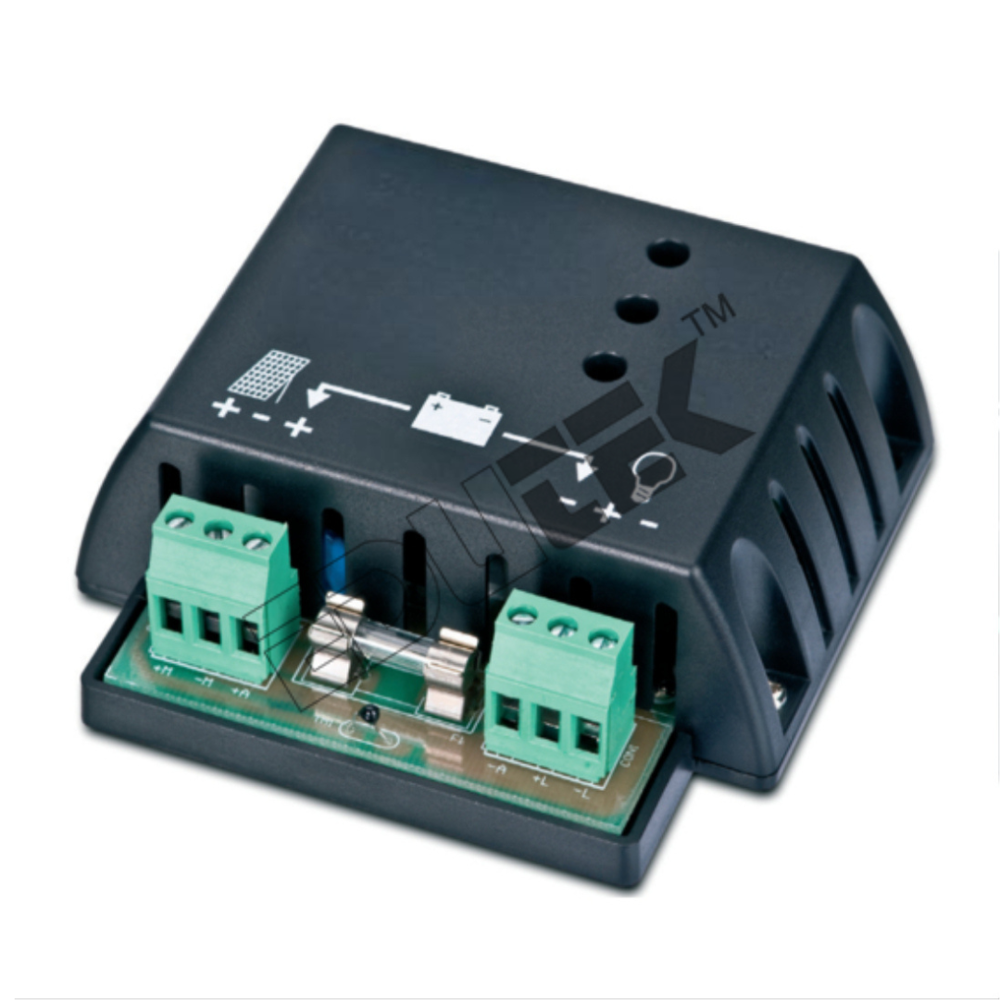
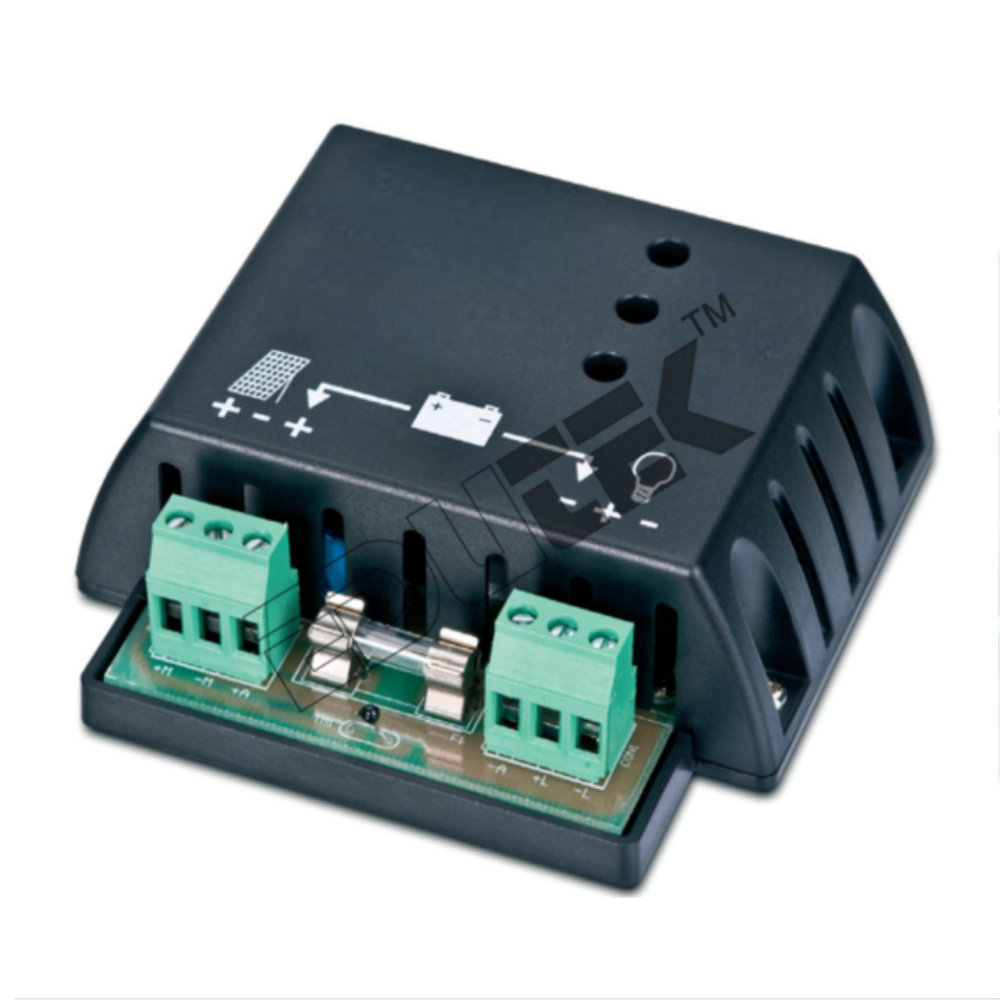
Unmatched Reliability and ProtectionThis automatic charge controller is designed to safeguard your batteries using advanced protection features: overcharge, overdischarge, and short circuit protection. The microcontroller-based architecture and high-grade semiconductor components deliver reliable, uninterrupted operation. Whether in demanding laboratory conditions or industrial use, its robust design ensures maximum safety for your equipment.
Versatile Compatibility and ControlSupporting a wide range of battery technologiesincluding Lead Acid, Li-ion, and VRLAthe controller adapts seamlessly to varying power requirements. Its PWM control method achieves optimal charging efficiency for diverse battery capacities. With a measurement range from 0A to 60A and input up to 55V DC, it is suitable for several voltage systems (12V/24V/48V), controlled with accuracy and minimal maintenance.
Intuitive Monitoring and Easy InstallationFeaturing digital and LED displays and user-friendly LED indicators for charge, full, and fault status, monitoring the system is straightforward. The wall or panel mount design and terminal block wiring facilitate quick and secure installation. Natural air cooling and durable ABS material add to its hassle-free operation and longevity, making it a reliable choice for laboratories and industrial environments.
FAQs of CHARGE REGULATOR:
Q: How does the CHARGE REGULATOR protect batteries from damage?
A: The provides comprehensive protection through its integrated functions: overcharge prevention, overdischarge protection, and short circuit safeguards. These automatic mechanisms monitor battery voltage and current levels, curtailing any unsafe conditions and thereby extending battery lifespan and performance.
Q: What types of batteries can I use with this charge controller?
A: This device is compatible with Lead Acid, Li-ion, and VRLA batteries. By supporting multiple battery chemistries, the charge regulator offers flexibility for laboratories and industrial setups, accommodating a variety of power storage needs.
Q: When should I install the charge regulator, and what is its ideal usage environment?
A: Install before connecting batteries and loads to your DC or solar power system. It performs optimally in laboratories and industrial settings, operating reliably within a temperature range of -10C to +50C and humidity up to 95% RH.
Q: Where can the CHARGE REGULATOR be mounted for best results?
A: The is designed for wall and panel mounting, providing adaptable installation in control rooms, laboratory benches, or equipment panels. Ensure proper airflow for its natural cooling mechanism and secure wiring through its terminal block for safe operation.
Q: What process does the controller use for charging management?
A: It utilizes Pulse Width Modulation (PWM) control to manage charging, ensuring precise and efficient delivery of current to batteries. This method optimizes charging rates and battery health, maintaining high accuracy (100%) and consistent output across different battery types.
Q: How do the LED indicators assist in monitoring the charge status?
A: The LED indicators display charging, full charge, and fault statuses at a glance. This feature allows users to monitor real-time battery condition and system health effortlesslyall crucial for maintaining operational safety and preventing downtime.
Q: What are the main benefits of using this automatic charge controller?
A: The enhances efficiency, battery safety, and system reliability. Its automatic operation reduces manual intervention, while the integration of industrial-grade ABS materials and natural cooling ensures long-term durability, making it cost-effective for laboratories, manufacturers, and suppliers.






 Send Inquiry
 Send Inquiry

