About Bitumen Penetration Test Apparatus
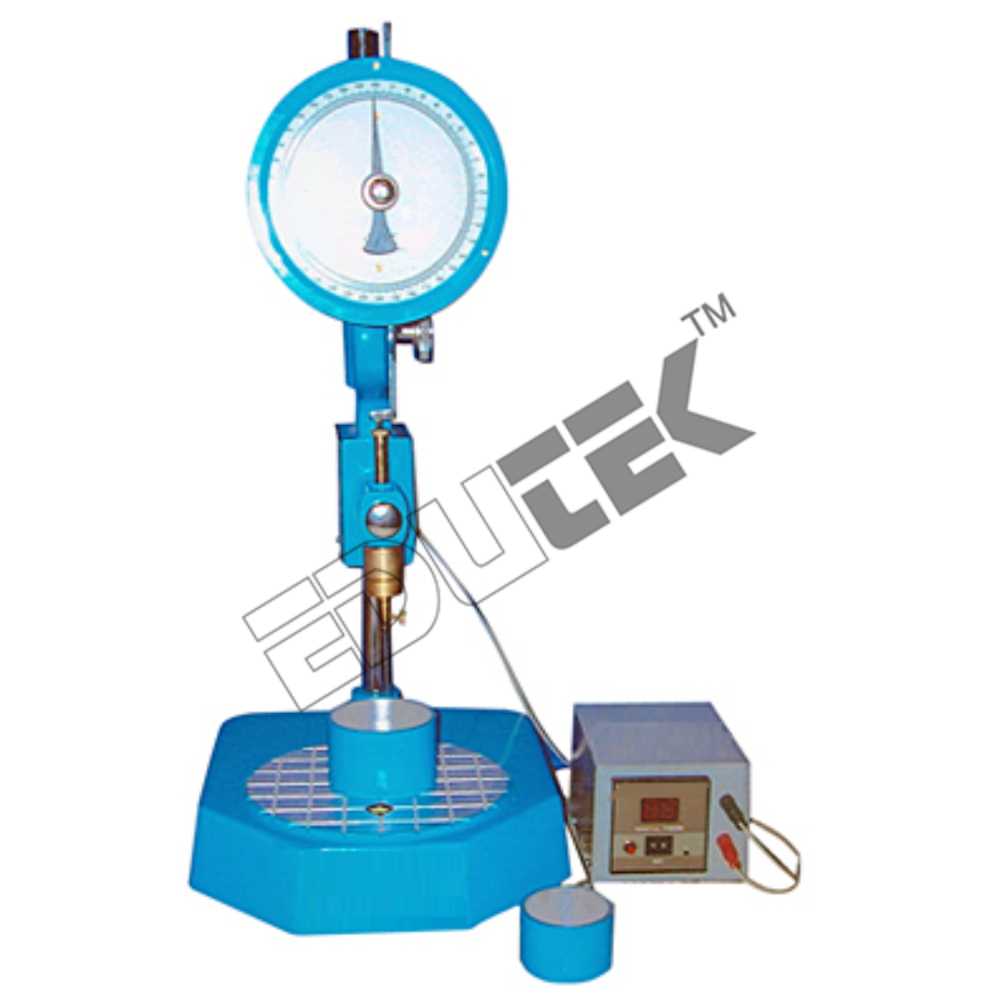
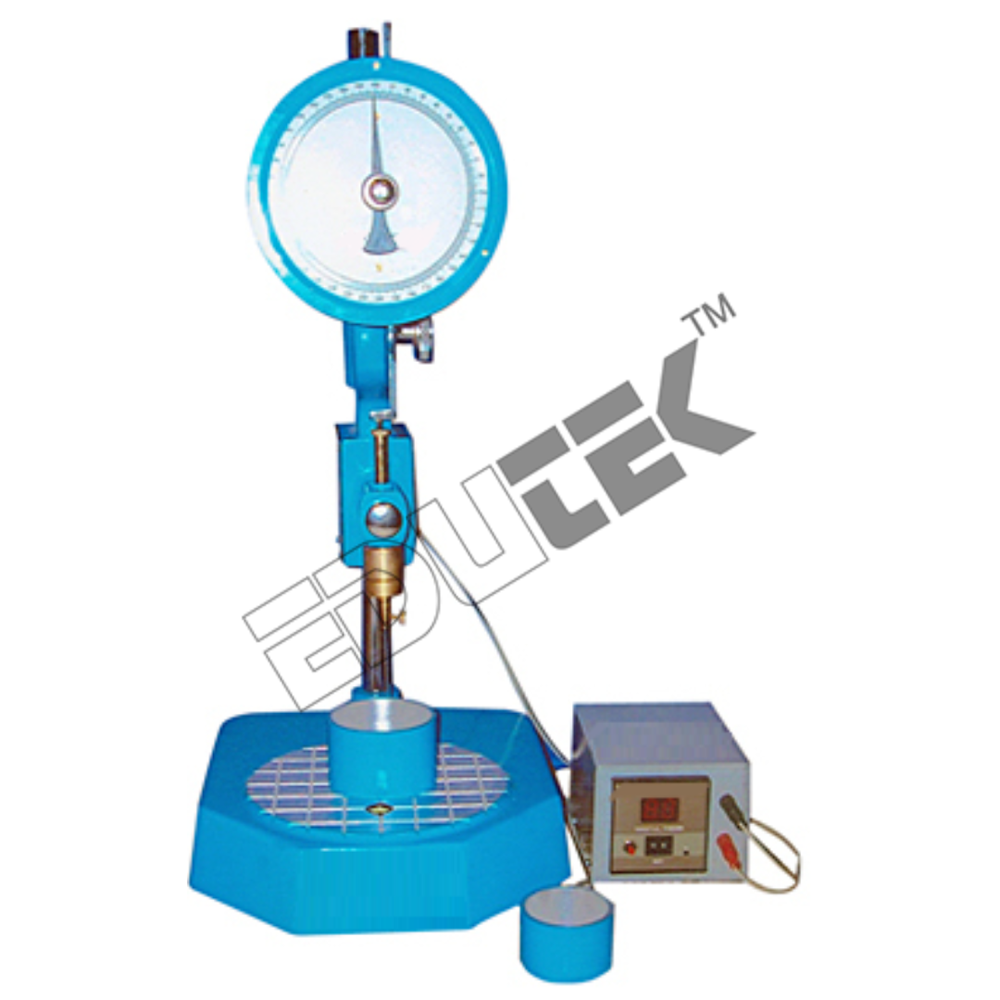
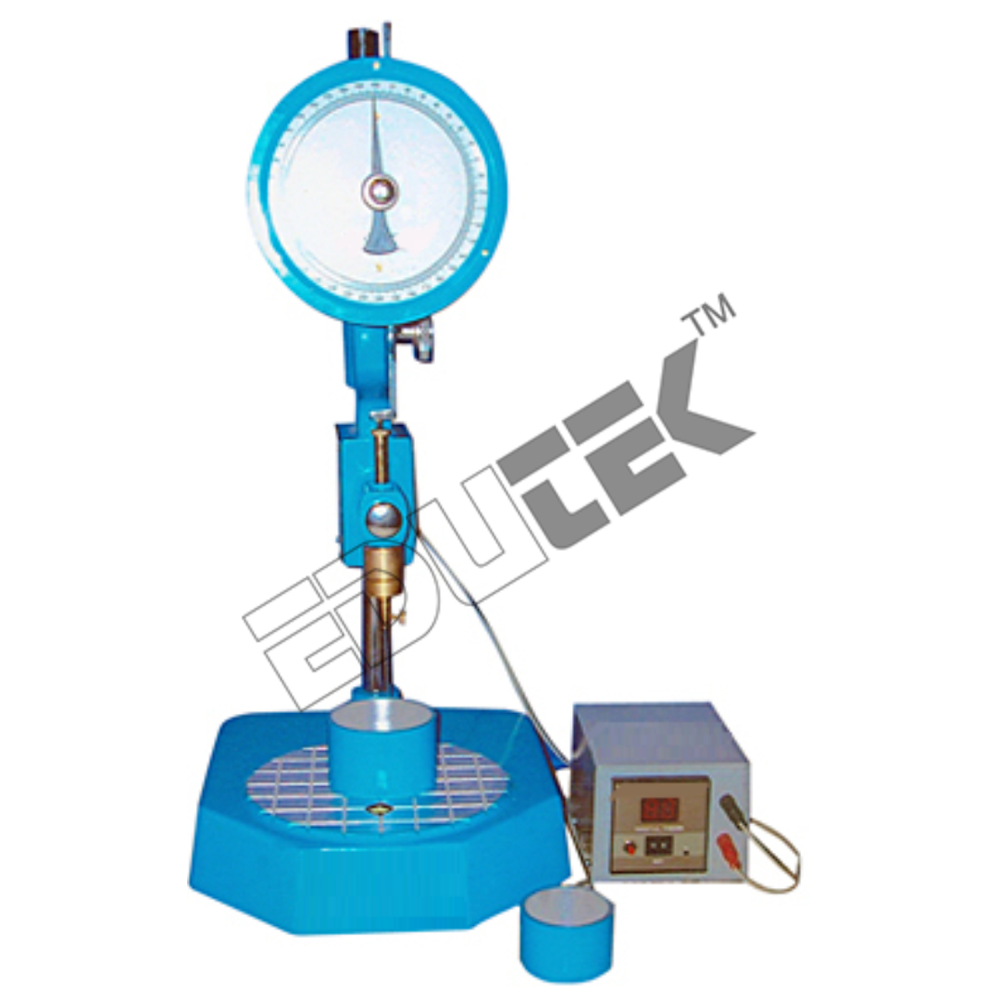
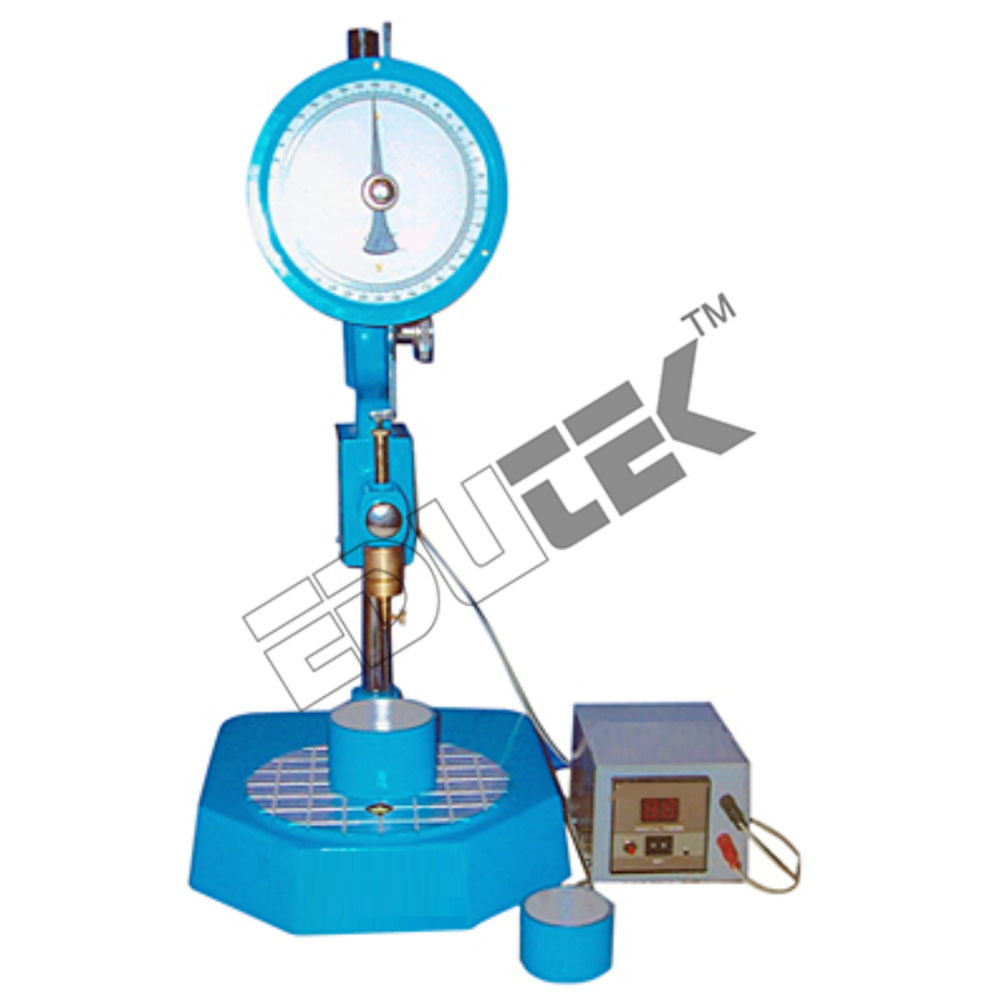
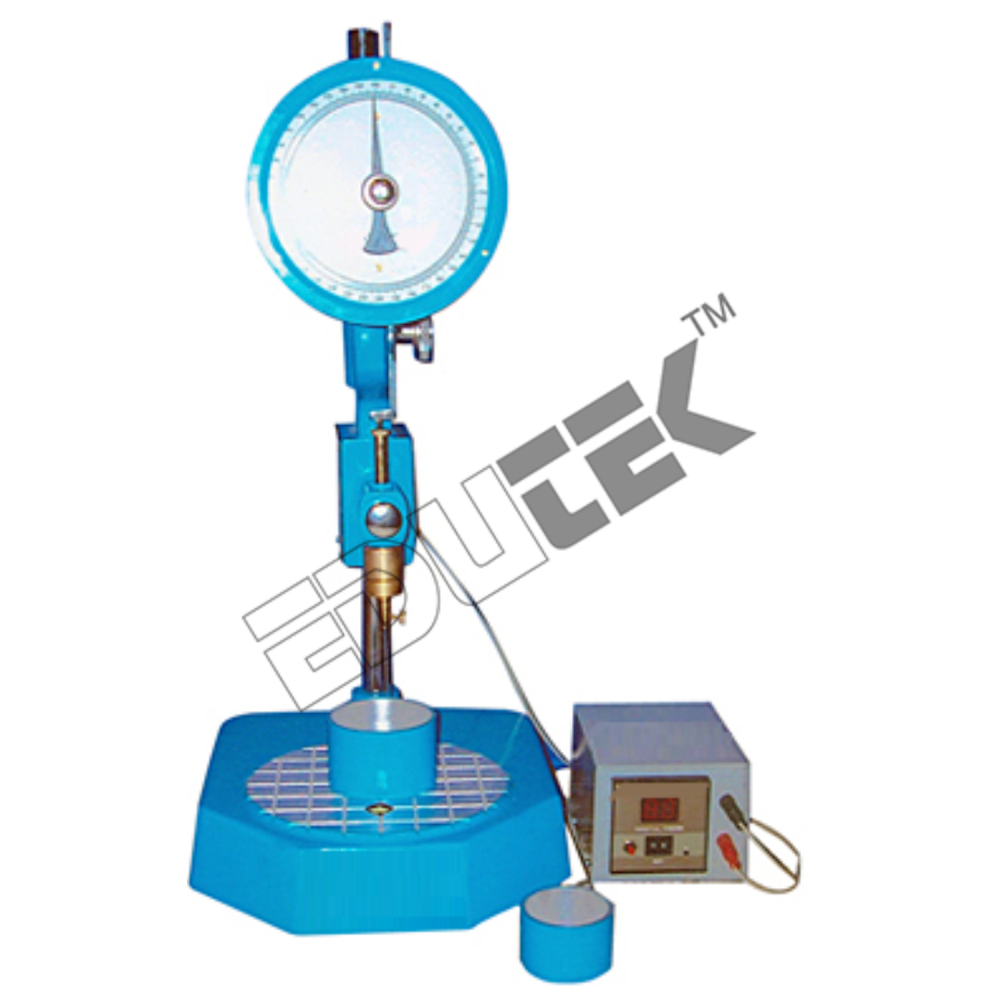
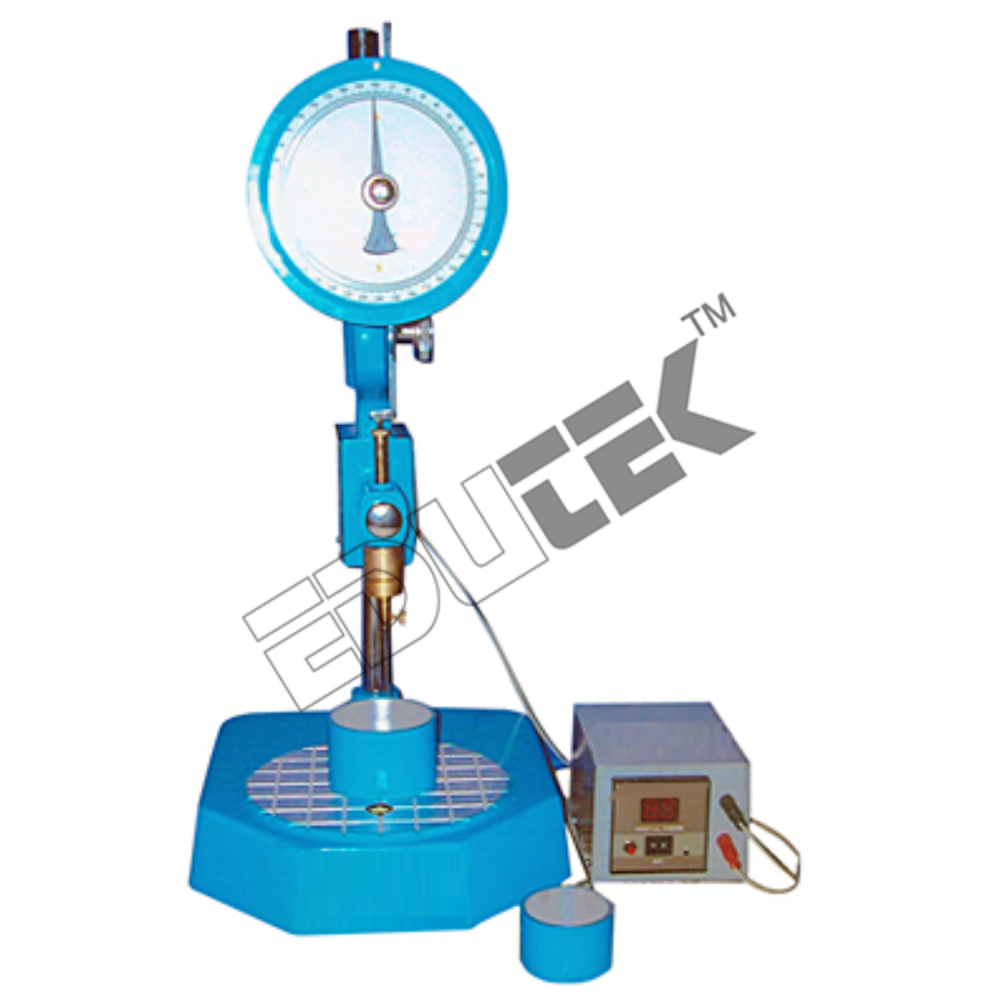
Bitumen Penetration Test ApparatusBitumen Penetration Test Apparatus are used for testing bitumen, tar, cement and soils. A Chosen force is applied over a given area for a known period of time and the depth of penetration or the depression made in the sample is measured in tenths of a millimeter which is expressed as a penetration number. An accurately machined aluminium base with in- set spirit level in these bitumen penetration test apparatus has been designed to facilitate penetration tests to be made over a wide surface area of sample, Adjustable feet are provided in the base for leveling and a head support, mounted on a vertical rod which can be adjusted for head, a rack & pinion and pointer assembly provides for fine adjustments of needle or cone tip to sample incorporated a slipping clutch mechanism which makes reading of penetration and subsequent resetting a simple and accurate operation. Each Penetrometer is supplied with a Plunger and Needle weighing
50g for testing bituminous products, one of each
50gm & 100gm weights, and one of each aluminium sampling containers
55mm dia x 53mm ht & 55mm dia x 35mm ht.
Precision in Bitumen Penetration TestingAchieve reliable penetration values for bitumen and asphalt with a bench-top unit conforming to IS/ASTM standards. Its stable base, integrated timer, and micrometer adjustment provide accurate, repeatable results for every measurement. This apparatus is built for efficiency and meets rigorous laboratory requirements.
Integrated Illumination and Easy OperationA built-in lamp ensures clear visibility during testing, while easy manual lever operation and locking features streamline the process. The apparatus includes all necessary accessories such as weights, containers, and thermometer, simplifying user experience and speeding up test setup.
Durability and ComplianceConstructed from anti-corrosive mild steel and equipped with a polished brass plate, the apparatus is built for long-term use in demanding environments. Its compliance with IS:1203 and ASTM D5 guarantees international testing standards, making it a reliable choice for manufacturers, suppliers, and exporters.
FAQs of Bitumen Penetration Test Apparatus:
Q: How is the Bitumen Penetration Test conducted using this apparatus?
A: The test involves placing the sample in the brass container, setting the penetration needle with the desired weight, and adjusting the apparatus using the micrometer. The built-in timer activates for a 5-second duration as the needle penetrates the bitumen at a fixed speed, with penetration measured using a dial gauge or digital indicator.
Q: What accessories are included with the bitumen penetration test apparatus?
A: Each unit is supplied with a penetration needle, standard weights of 50 g and 100 g, sample containers, a transfer dish, and a thermometer, ensuring users have all components needed for immediate testing.
Q: When should I use this apparatus for bitumen testing?
A: This apparatus is ideal for laboratory analysis conducted at standard room temperature (15-30C) to determine the penetration value of bitumen and asphalt in accordance with IS:1203 and ASTM D5 protocols.
Q: Where is this apparatus typically used?
A: The apparatus is designed for benchtop use in laboratories, manufacturing facilities, and quality control departments involved in construction material testing, particularly for bitumen and asphalt properties.
Q: What is the process for measuring penetration value?
A: The process starts by preparing the bitumen sample, calibrating the needle and weight, and then initiating the automated timer to lower the needle. The penetration depth is recorded on the dial gauge or digital indicator, with accuracy up to 0.1 mm.
Q: How does the built-in illumination benefit testing?
A: The integrated lamp enhances visibility, allowing operators to clearly observe the needle-sample interface for precise and consistent readings, particularly useful when working in dimly lit laboratory environments.
Q: What are the main benefits of using this penetration test apparatus?
A: Users gain precise measurement (0.1 mm), reliable compliance with IS/ASTM standards, straightforward operation, and durability due to high-quality, anti-corrosive materials, supporting consistent results in routine quality control and research applications.




 Send Inquiry
 Send Inquiry

