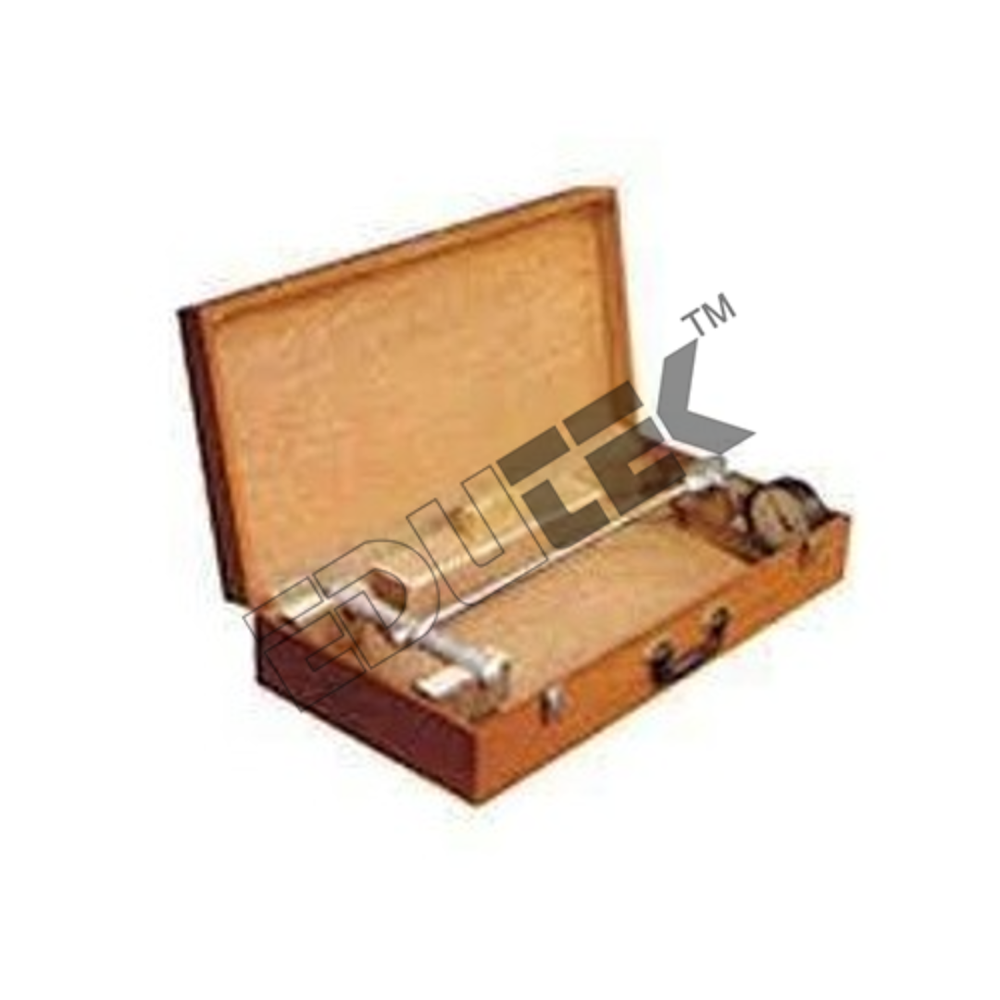
About Unconfined Compression Tester Proving Ring Type
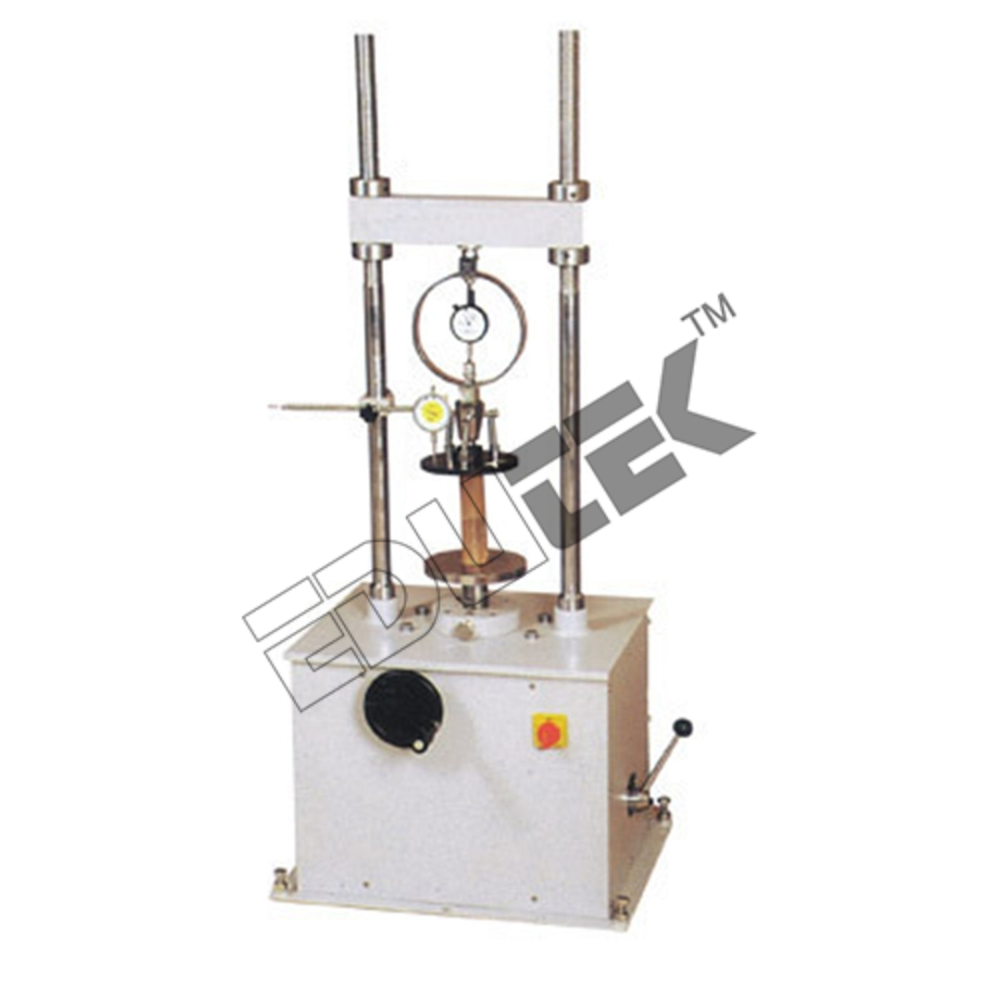
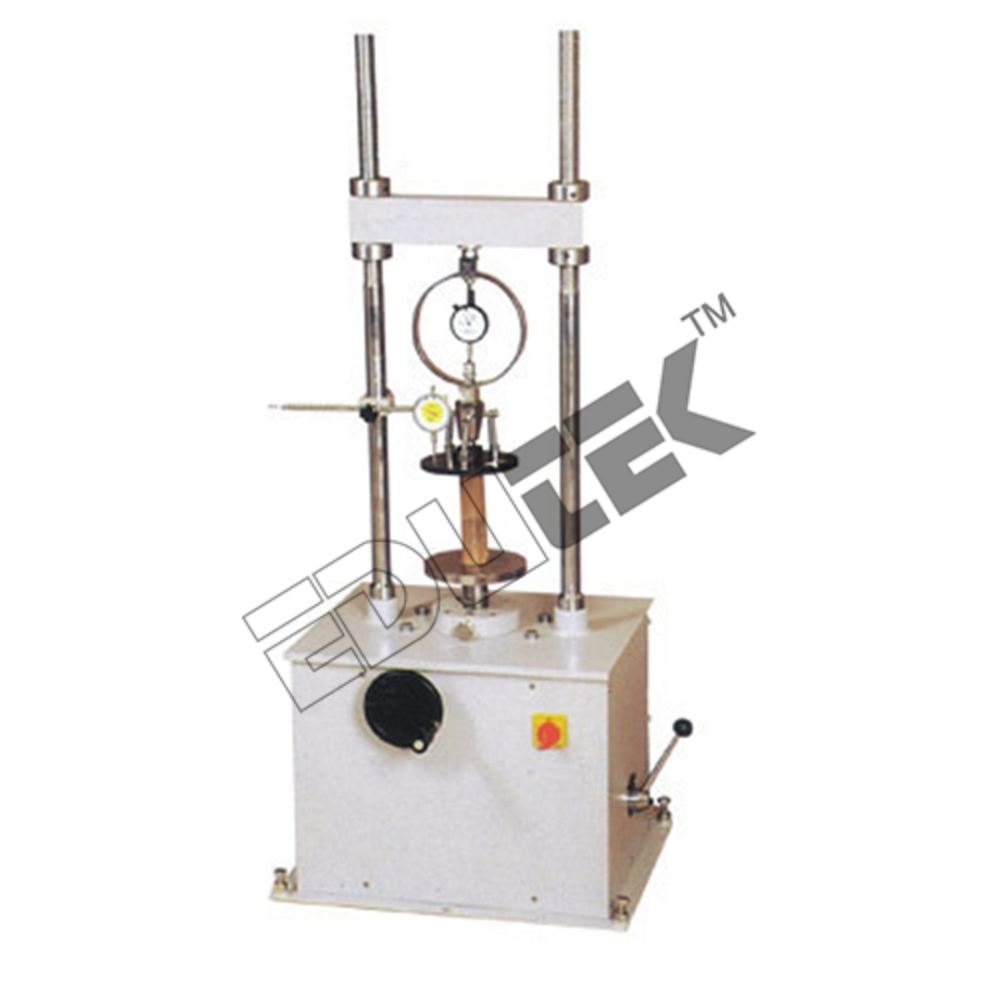
Unconfined Compression Tester Proving Ring Type Motorized
This is with the added advantage of a motorised drive permitting a choice of three constant rates of stain.
Specification
Comprises a screw operated load frame, cap.5000kg with a gear box and motor drive giving 1.25, 1.5, 2.5mm/min. Rates of strain, a pair of cone seating, adaptor for proving ring, and stain dial gauge bracket. Supplied with one pair of male/female coning tools for 38mm dia samples but without ring and dial gauge. Suitable for operation on 230 V, Single Phase A.C. Supply.
Accessories
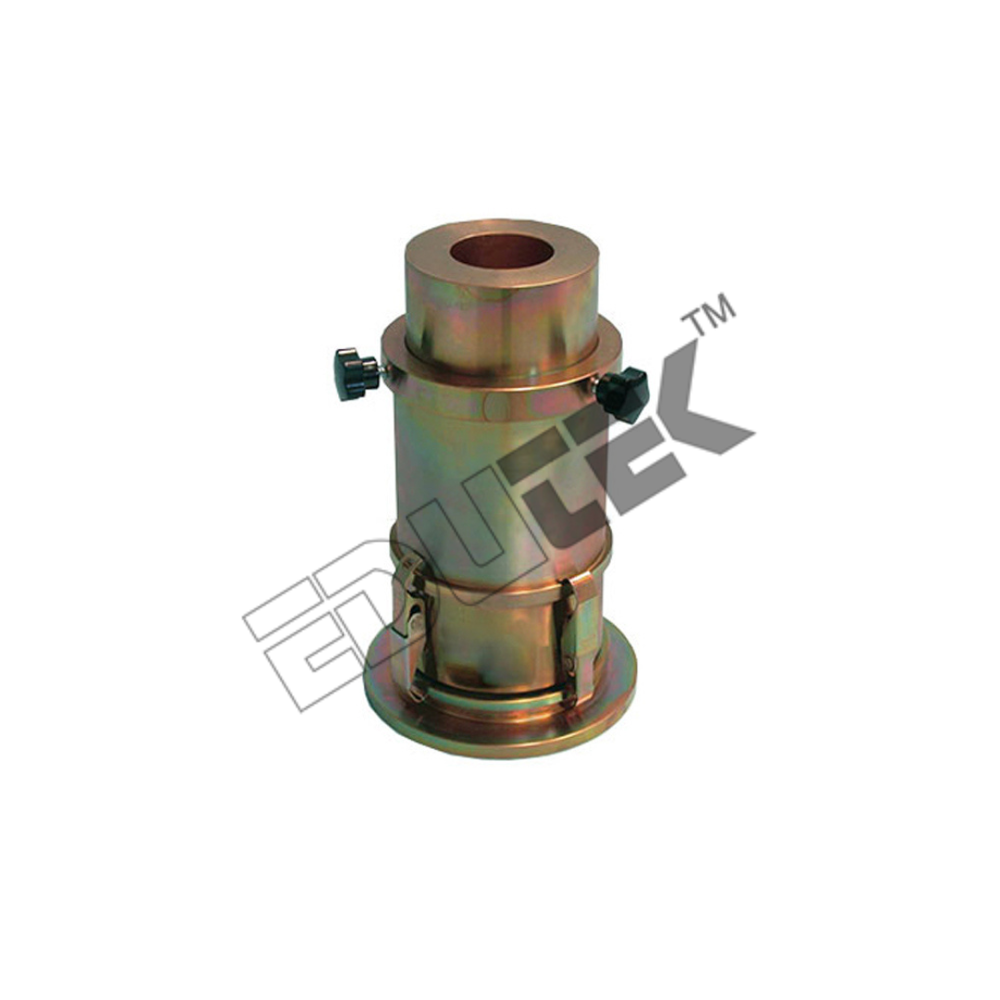
- Coning tools in pairs for samples having diameter 38mm, 50mm, 75mm & 100mm
Precision Meets DurabilityConstructed with high-grade stainless steel and powder-coated mild steel, the Unconfined Compression Tester offers exceptional durability and resistance to corrosion. The finely calibrated Proving Ring and dial gauge guarantee reliable, repeatable measurements, making it indispensable for accurate soil strength analysis.
Versatile and User-FriendlyThe equipments manual screw jack operation and ergonomic design ensure smooth, safe, and consistent specimen loading. Compatible with 38 mm and 50 mm diameter samples, it can be deployed in diverse geotechnical environments, from laboratories to onsite investigations.
Portable Design for Field and LabWeighing approximately 30 kg and featuring compact dimensions (500 x 400 x 450 mm), this tester is easy to transport and set up. Its epoxy powder-coated finish further enhances its longevity, whether used in controlled laboratory settings or at construction sites.
FAQs of Unconfined Compression Tester Proving Ring Type:
Q: How does the Unconfined Compression Tester Proving Ring Type operate?
A: This instrument uses a manual screw jack mechanism to apply compressive force on soil specimens positioned between two stainless steel platens. The deformation is measured using an analog dial gauge, calibrated for precise readings down to 0.01 mm.
Q: What size soil samples can be tested with this equipment?
A: Standard sample holders included with the tester accommodate specimen diameters of 38 mm and 50 mm, ensuring compatibility with common soil testing protocols.
Q: When is unconfined compression testing used in geotechnical investigations?
A: Unconfined compression tests are typically performed during soil strength assessments for construction, foundation analysis, and quality control in civil engineering projects, particularly where direct shear or bearing capacity information is needed.
Q: Where is this compression tester best suited for use?
A: Its portable design and corrosion-resistant construction make it optimal for both laboratory environments and field testing locations, especially within geotechnical labs and construction sites across India.
Q: What is the process for measuring soil strength with this device?
A: Place a prepared soil specimen in the sample holder, set up within the loading frame, and manually operate the screw jack to apply a compressive load. The proving ring and dial gauge record force and displacement, from which compressive strength data is derived.
Q: What advantages does the proving ring type offer over other compression testers?
A: The proving ring type provides highly accurate load measurement and a robust, durable frame. Its manual operation and analog readout allow independent, reliable results, crucial for detailed soil analysis without reliance on electronic components.
Q: How does this equipment benefit soil testing laboratories and engineers?
A: Its high-precision measurement accuracy (1%), robust build, and ease of portability allow consistent, repeatable, and trustworthy results, improving efficiency in soil characterization essential for safe engineering design and construction.




 Send Inquiry
 Send Inquiry

