About Unconfined Compression Test Apparatus
Unconfined Compression Test Apparatus
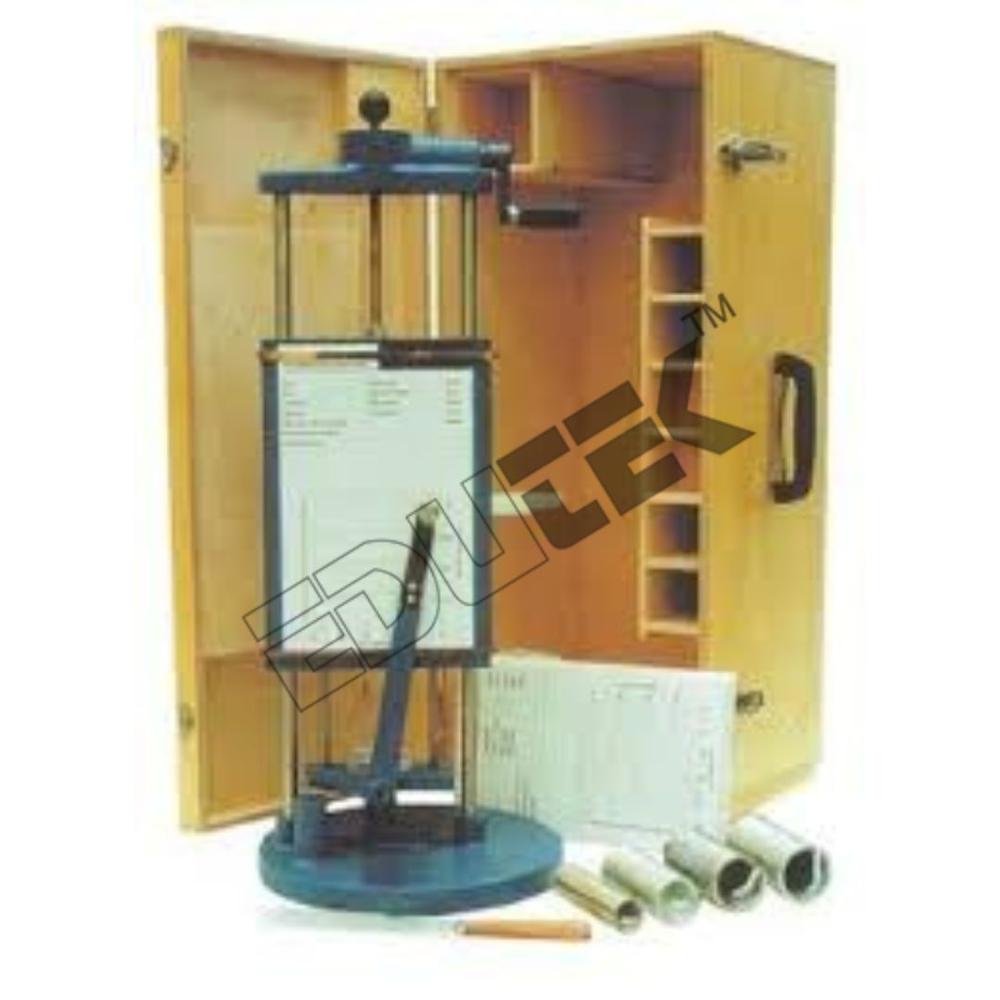
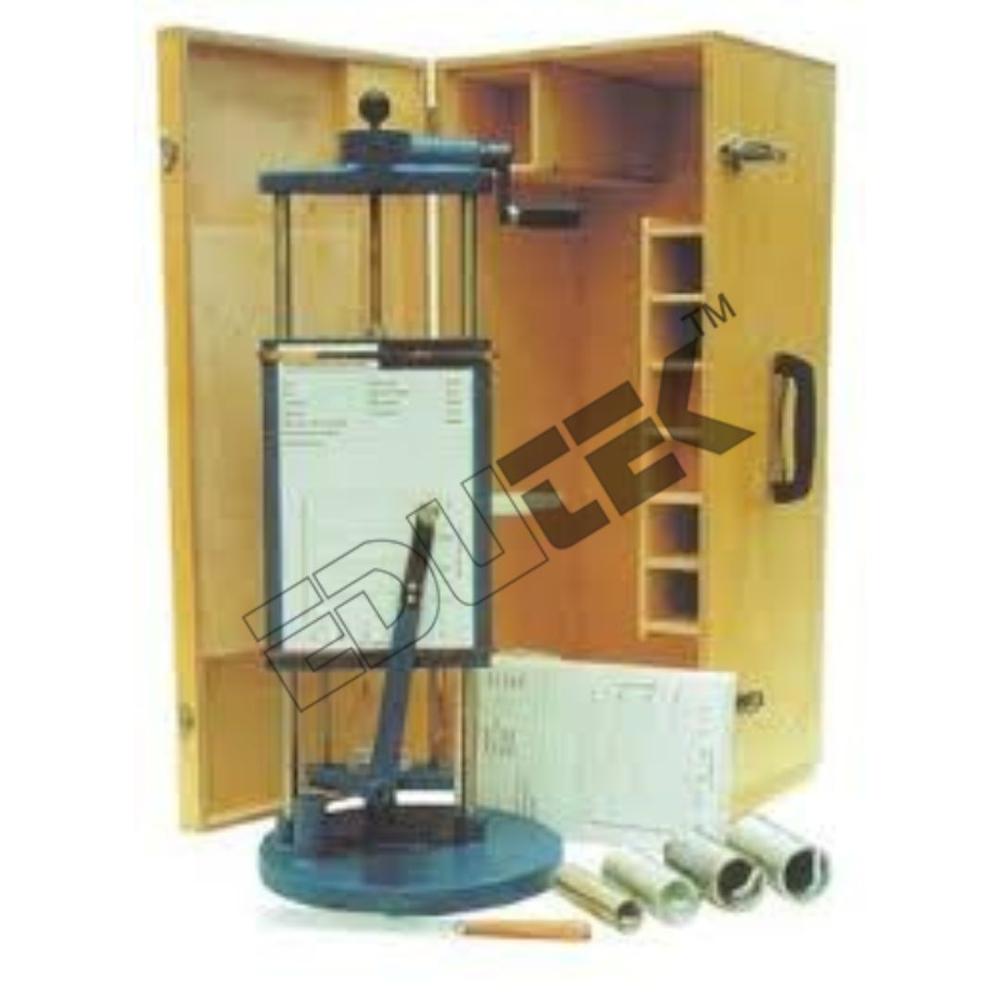
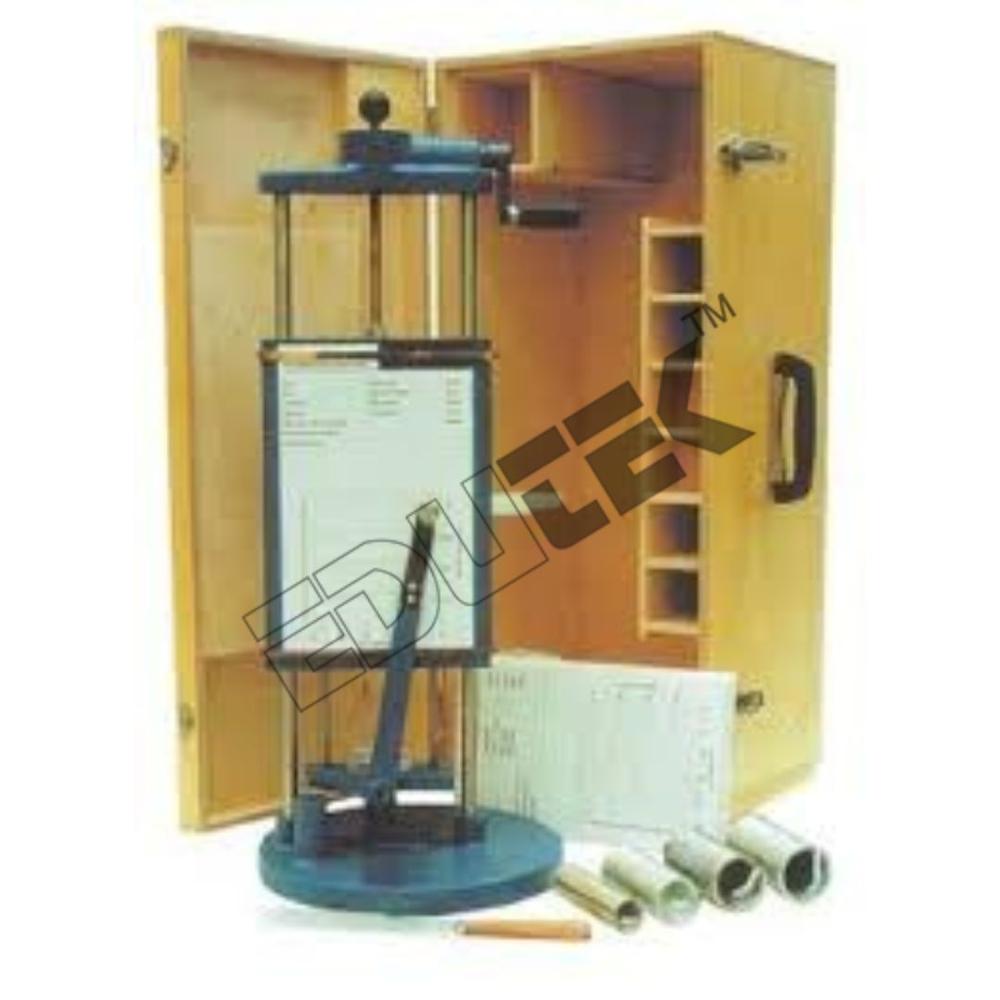
Unconfined Compression Test Apparatus Spring Type Autographic
Spring type unconfined compression testing apparatus can be used either in a laboratory or in field.
Specification
Consists of a spring operated load frame with arrangements for loading 38mm x 76mm samples, one set of four load springs of stiffness 0.2kg 0.4kg. 0.8kg and 1.6kg/mm, a calibrated mask and one set of 50charts, in a metal carrying case.
Spares Accessories
Chart set of 50 Calibrated mask Spring set comprising one each of stiffness 2n/mm, 8 n/mm and 16 n/mm Coning tool for 38mm sample, (female) Coning tool for 38mm sample, (male) Tripods stand wooden, for using the instrument in field.
Precision Soil Strength TestingEngineered for reliability, the Unconfined Compression Test Apparatus provides accurate soil compressive strength data. Its manual screw mechanism ensures controlled loading, while the dial gauge facilitates precise deformation measurement. The apparatus meets globally recognized standards, making it excellent for critical soil assessment tasks in laboratories.
Durable and User-Friendly DesignConstructed from mild steel with plated fixtures, this apparatus is both robust and portable, weighing 20-30 kg. Its intuitive manual controls and clearly readable dial gauge make operation straightforward, even for users with minimal training. The compact dimensions fit conveniently on laboratory benches.
FAQs of Unconfined Compression Test Apparatus:
Q: How is the Unconfined Compression Test performed using this apparatus?
A: The test is conducted by placing a cylindrical soil specimen between the loading pad and compression plate. Manual loading is applied via the screw mechanism at a constant rate of 1.25 mm/min. Deformation is recorded with the dial gauge, and the sample is compressed until failure, allowing calculation of soil strength.
Q: What sample sizes are compatible with this equipment?
A: This apparatus supports cylindrical specimens with diameters of 38 mm or 50 mm and heights ranging from 76 to 100 mm, complying with IS: 2720 (Part X) and ASTM D2166 standards for soil testing.
Q: When should this apparatus be used in soil analysis?
A: It is used during laboratory soil investigations to determine unconfined compressive strength, which aids in evaluating soil stability for construction, foundation, and geotechnical engineering projects.
Q: Where is the ideal setting to operate the Unconfined Compression Test Apparatus?
A: The device is designed for indoor laboratory use under ambient temperature conditions. Its portable and compact design allows easy placement on standard laboratory benches.
Q: What is the process of measuring load and deformation in this apparatus?
A: As the sample is loaded, the applied force is indicated on the dial gauge, which has fine 0.01 kN graduation. Simultaneously, the dial gauge tracks axial deformation up to 10 mm with 0.01 mm accuracy, allowing precise measurement of specimen response.
Q: Who are the main users and beneficiaries of this product?
A: Laboratory technicians, researchers, quality control engineers, and educators engaged in geotechnical investigations or teaching benefit from this apparatus due to its ease of use, accuracy, and compliance with international standards.
Q: What are the main advantages of using a manual mechanical loading system in soil testing?
A: Manual operation enhances user control over loading speed and pressure application, ensuring precise test conditions. The portability and straightforward setup offer flexibility and reliability for routine and field laboratory applications.





 Send Inquiry
 Send Inquiry

