About Torsion Apparatus Vertical
Torsion Apparatus Vertical
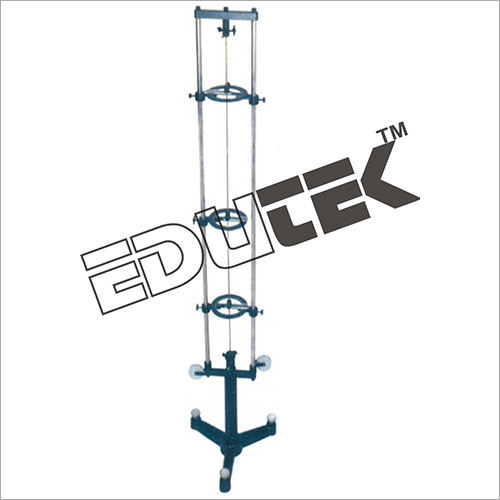
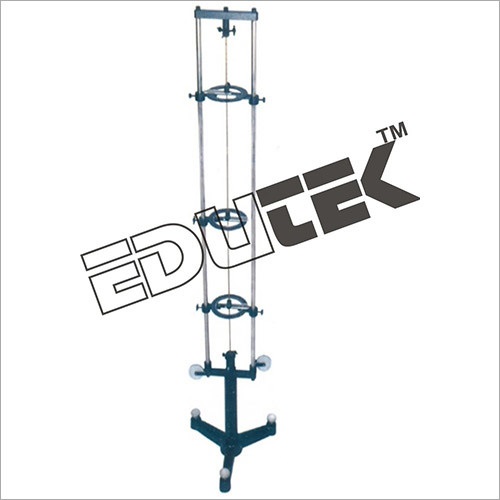
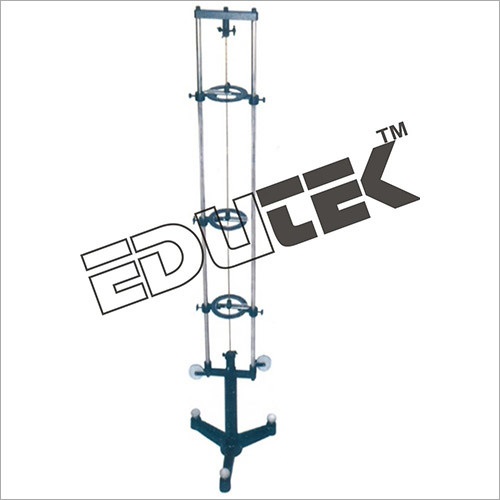
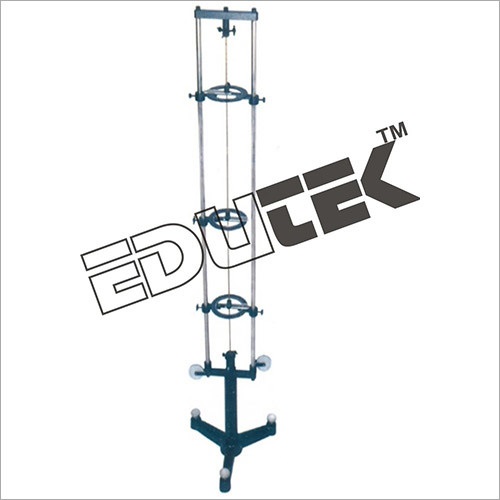
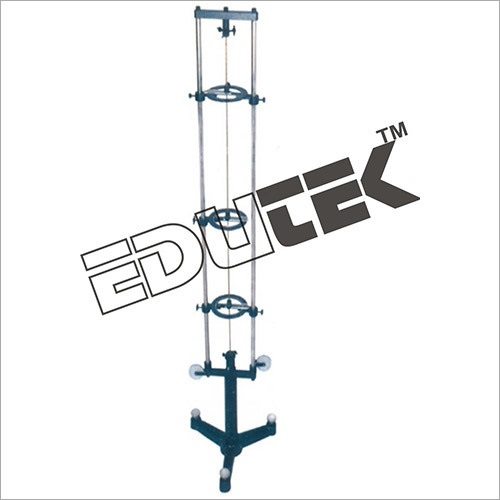
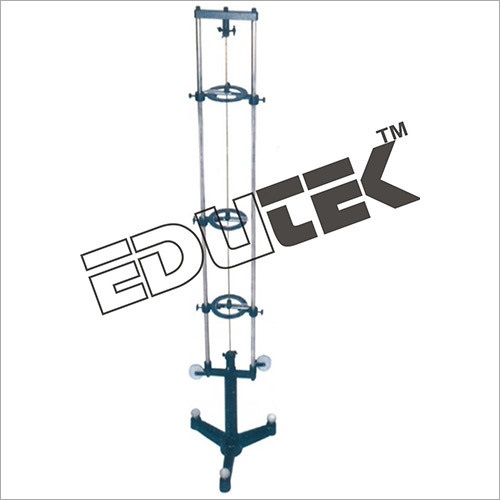
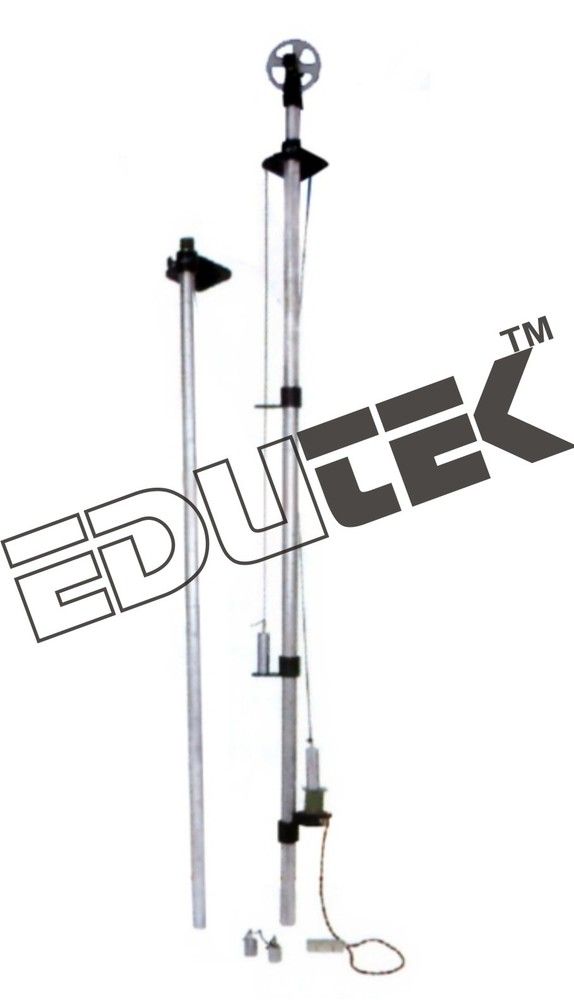
This apparatus is ideally suited for analysing the Rigidity modulus of a rod on application torsional force. The simple construction of the unit makes it easy to operate & efficient to use.
The apparatus consists of a heavy Cast Iron base with levelling screws which supports a mild steel frame. A torsion head is fixed at the upper end of the frame for holding one end of the rod under test. The other end of the rod is clamped in the axis of a torsion drum whose lower end is pivoted at the bottom of the frame. The deflection couple is applied through strings wound around the drum, passing in opposite directions over pulleys, and terminating in pans. Three circular scales, used for measuring the deflection, are graduated in single degrees and can be clamped at any position. Three pointers for clamping the test rod are provided.
High Precision MeasurementEngineered for academic and research laboratories, this vertical torsion apparatus offers highly accurate modulus of rigidity and torsional property measurements. Pre-calibration and a dial gauge with 1-degree rotational resolution deliver unrivaled consistency during experimentation.
Robust Construction and SafetyBuilt from durable materials such as mild steel, cast iron, and stainless steel, the apparatus is designed for frequent use. Its powder-coated finish, anti-slip base, and overstrain stopper ensure reliable operation and user safety, making it suitable for demanding laboratory settings.
Comprehensive Accessories and CalibrationThe apparatus is supplied with all necessary accessories, including a set of test specimens, a calibration certificate, and a detailed user manual. This ensures smooth setup, accurate results, and compliance with academic requirements for laboratory experiments.
FAQs of Torsion Apparatus Vertical:
Q: How does the Vertical Torsion Apparatus operate for modulus of rigidity measurement?
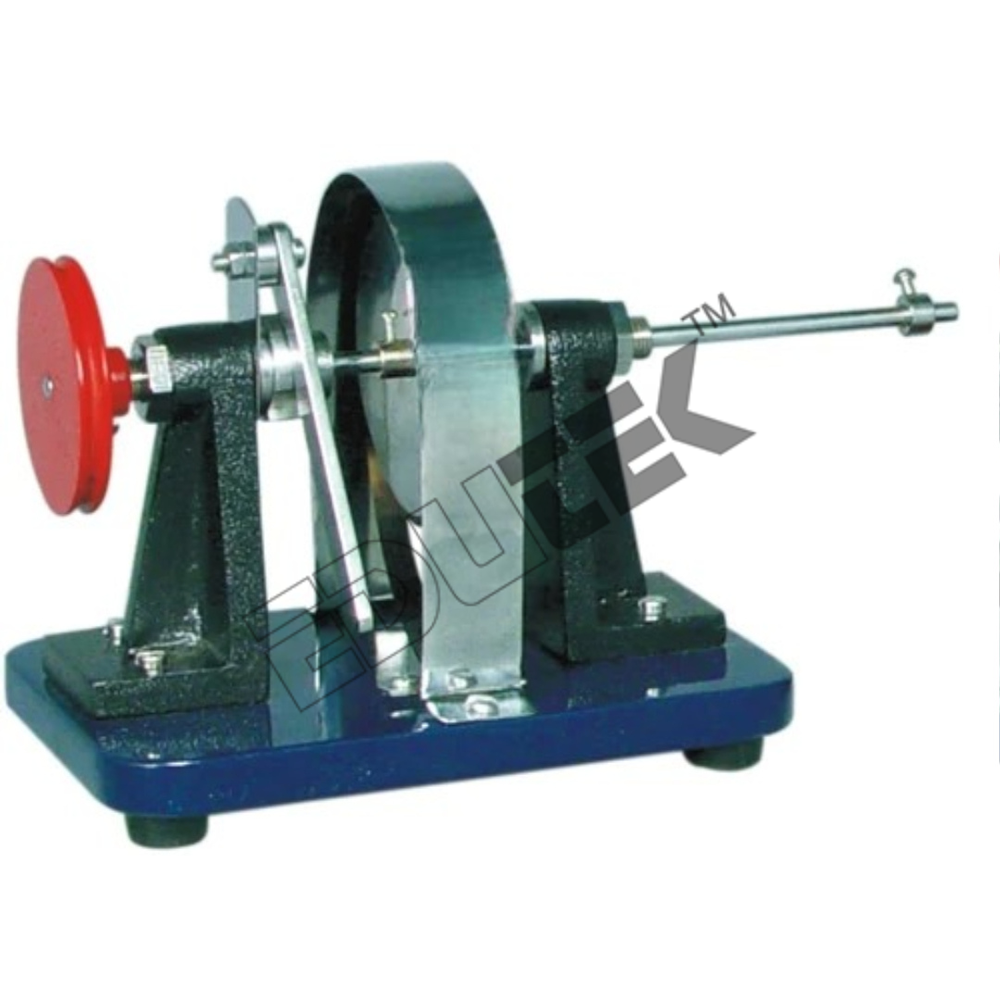
A: The device is manually operated using a hand wheel to apply controlled torsion to wire specimens. The dial gauge measures rotational angles with 1-degree resolution, allowing calculation of modulus of rigidity based on observed deformation.
Q: What types of specimens can be tested with this apparatus?
A: Wires with diameters ranging from 2 mm to 8 mm and lengths up to 300 mm can be tested. The supplied holders accommodate both brass and steel specimens, and a set of compatible test samples is included.
Q: When is calibration required for this torsion apparatus?
A: Calibration is performed prior to shipment and certified for academic use. Routine calibration checks are recommended before major experimental undertakings to ensure continued measurement accuracy.
Q: Where should the torsion apparatus be installed in the laboratory?
A: The equipment is designed for bench top mounting, providing stability and ease of access. Its anti-slip base and compact dimensions (approx. 550 x 200 x 800 mm) make it practical for most laboratory layouts.
Q: What is the process for conducting torsional tests using this equipment?
A: First, mount the wire specimen in the holders and secure the setup. Then, rotate the hand wheel to incrementally apply torsion, observing the dial gauge reading, and record the angular displacement until the desired test point or overstrain limit is reached.
Q: How is user safety ensured during apparatus operation?
A: Safety features include an overstrain stopper to prevent excessive load, anti-slip base for stable mounting, and a comprehensive user manual for correct usage procedures. These help mitigate operational risks and protect both users and specimens.
Q: What are the main advantages of using this vertical torsion apparatus in laboratory experiments?
A: Key benefits include high measurement accuracy (100%), reliable manual operation, robust and safe construction, versatile specimen range, and full accessory support for straightforward setup and repeatable results in educational and research contexts.




 Send Inquiry
 Send Inquiry

