About STEERING MECHANISM
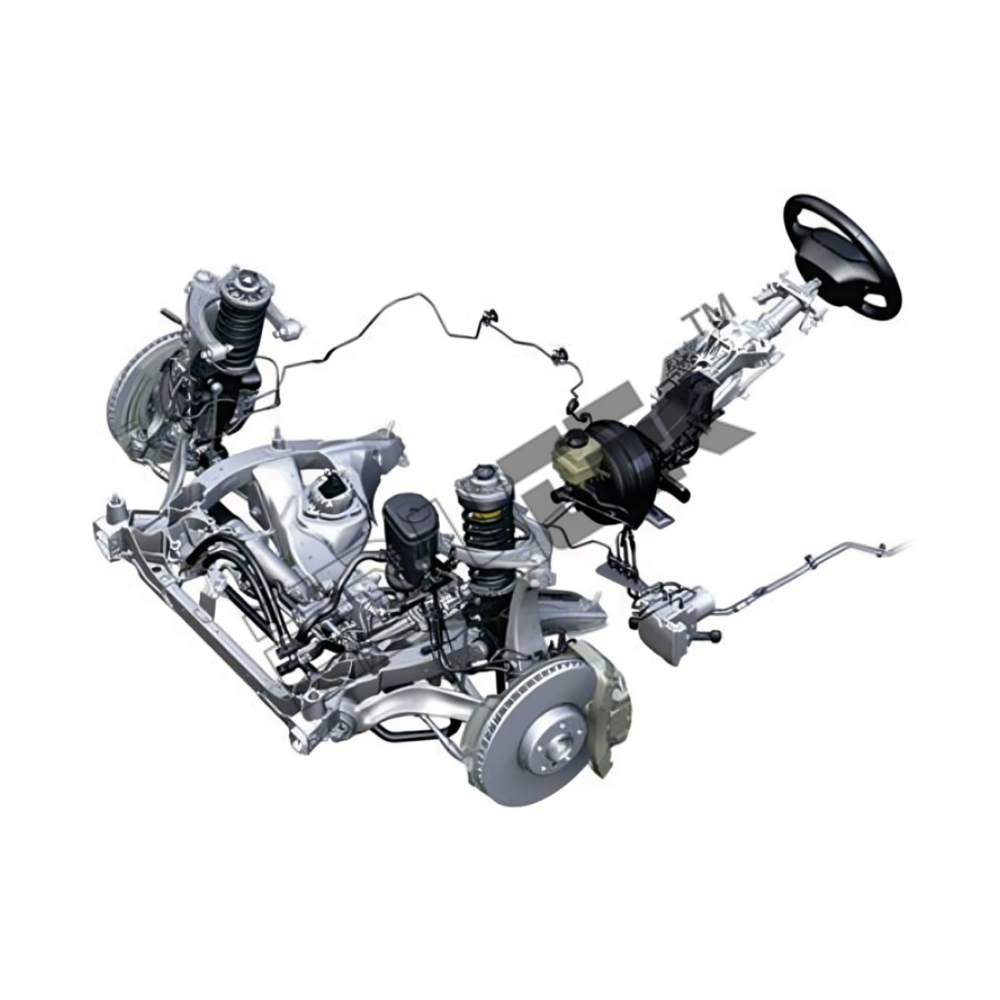
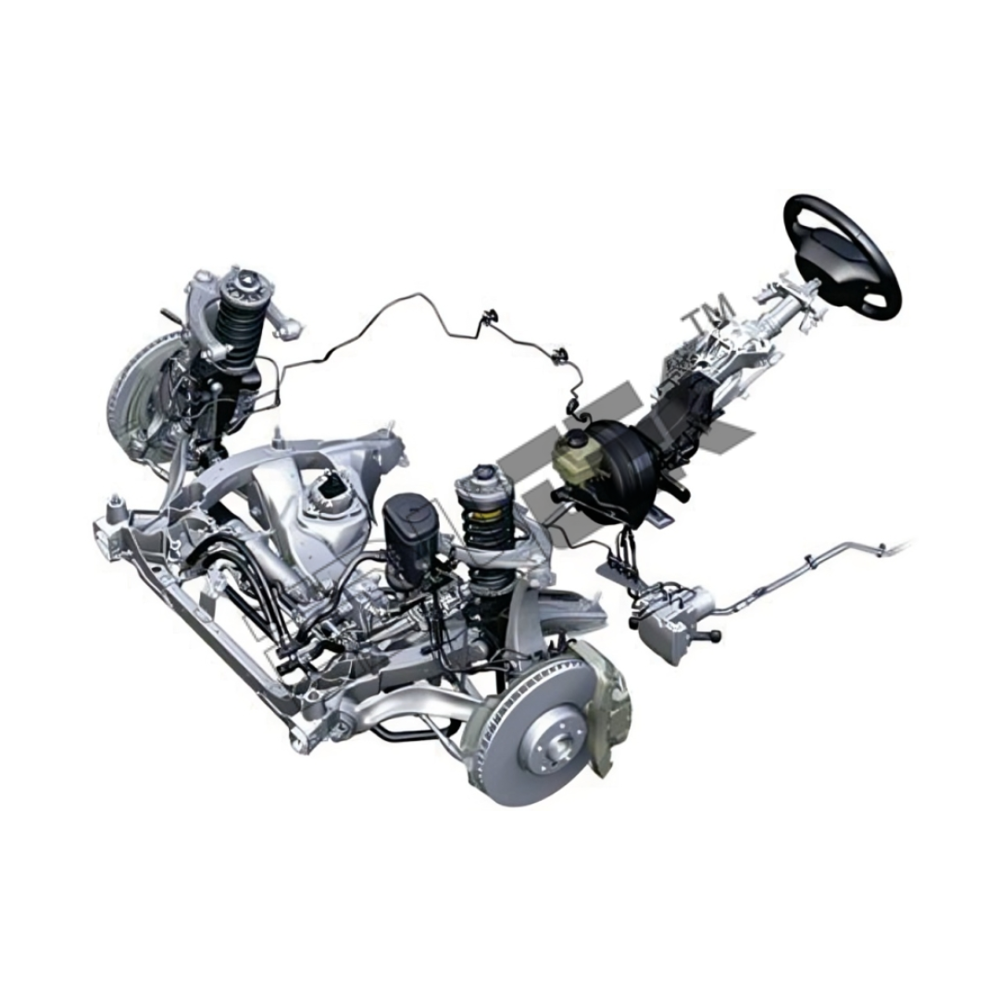
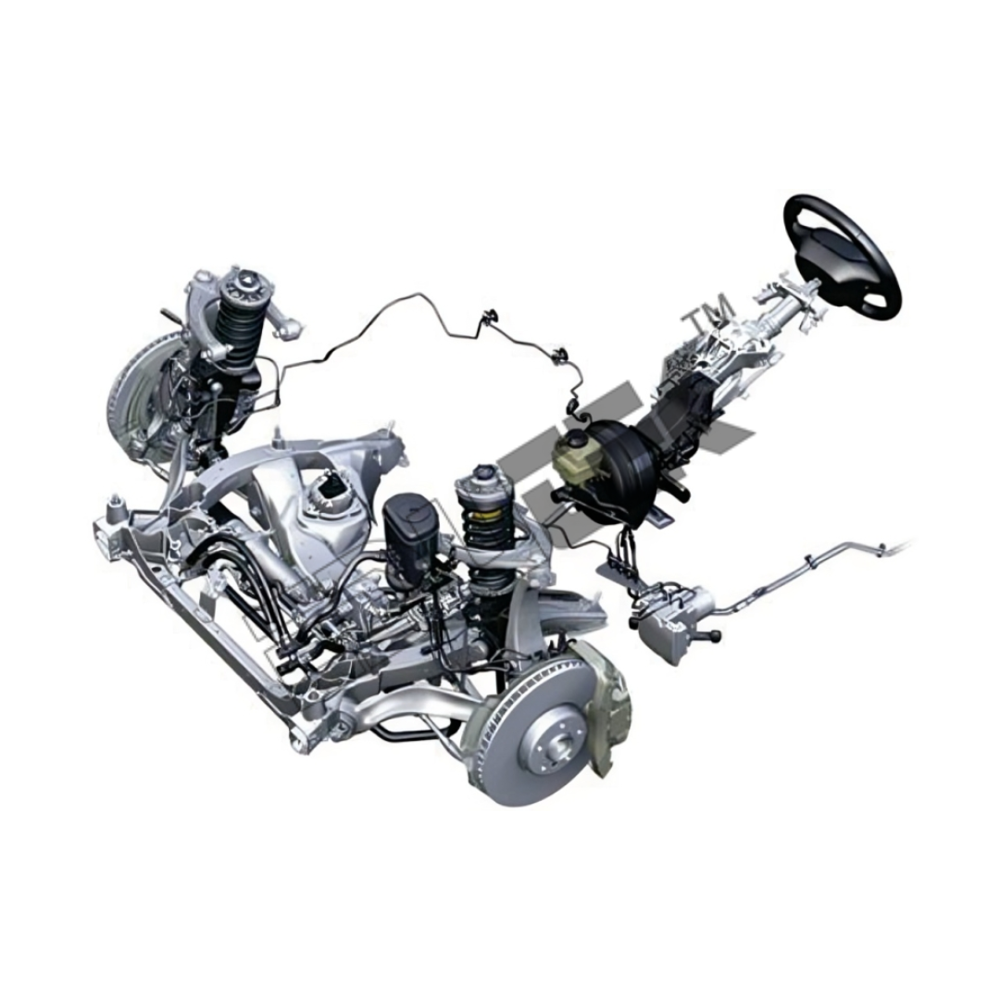
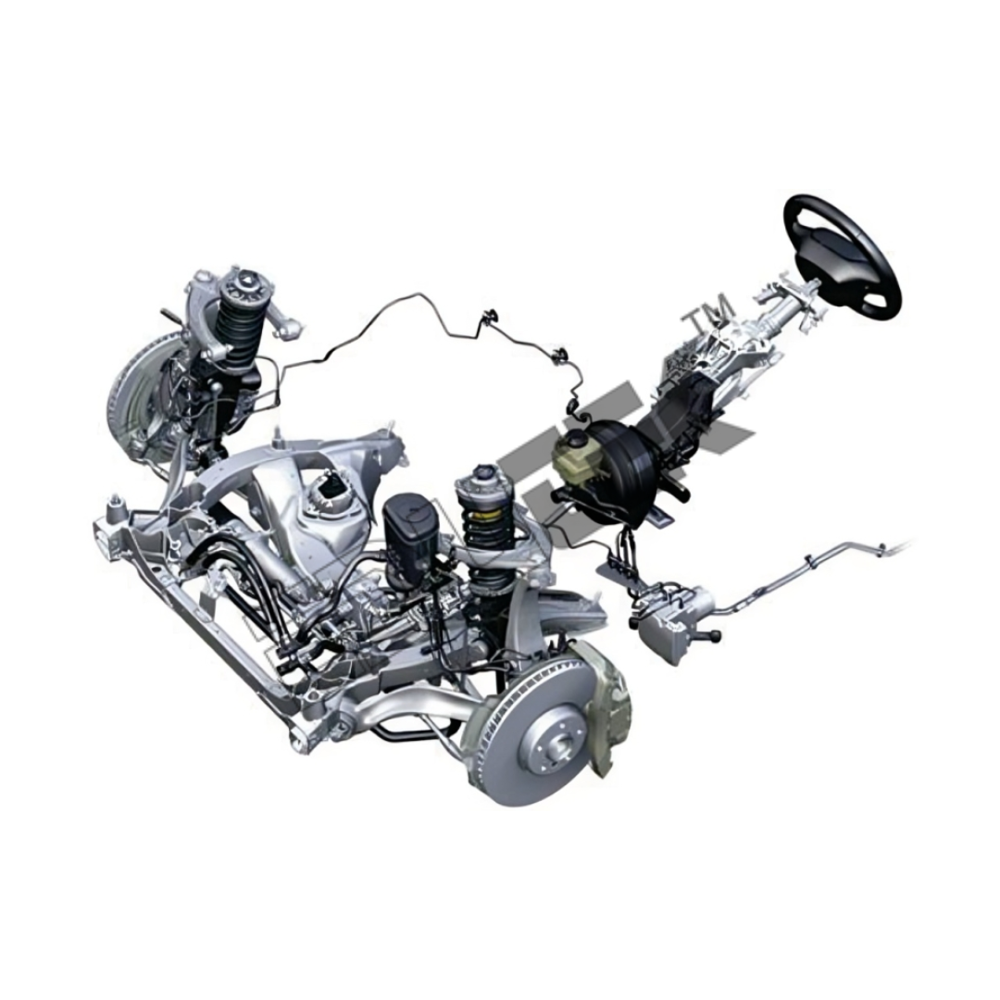
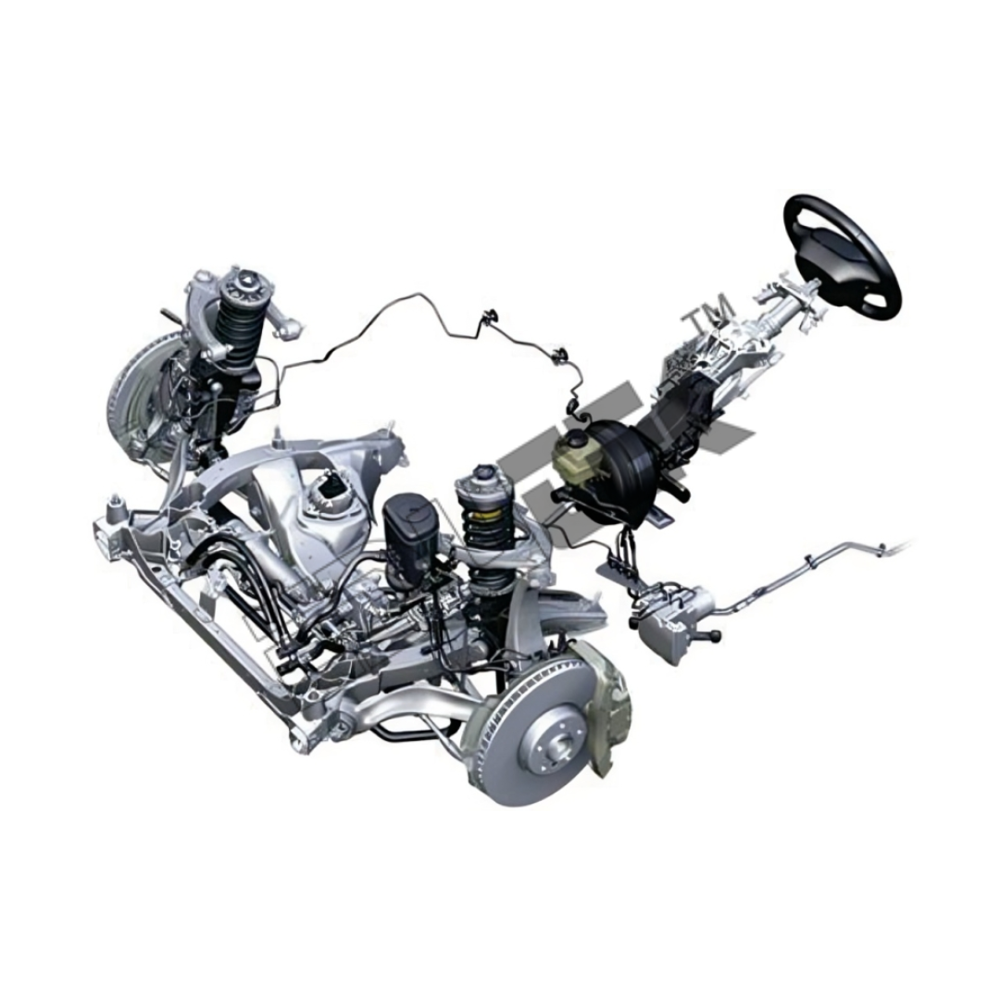
STEERING MECHANISM
- Wireless communication: WIFI, Bluetooth
- Gear type with steering wheel, axle and wheels for Demonstrations of king pin geometry, fitted on the base plate.
- Approx. Size 2300 2325 1500 mm
Superior Build Quality for Reliable TestingBuilt with mild steel and a robust powder-coated finish, this steering mechanism rig offers exceptional durability and stability during testing. Its sealed ball bearings ensure smooth, maintenance-free operation while safety guards and a sturdy frame help guarantee dependable performance in demanding applications.
Advanced Servo Motor Drive & Digital ControlsExperience seamless control with digital automatic modes and servo motor-driven precision. The mechanism supports adjustable test speeds and stroke, providing flexibility for a wide array of test parameters. Easily toggle operation between manual and automatic to suit your testing needs.
Comprehensive Data Capture and AnalysisEquipped with RS232/USB ports, the system provides effortless PC connectivity for thorough data logging. The included Windows-compatible software assists users in analyzing and documenting results efficiently, maximizing productivity in both laboratory and industrial contexts.
FAQs of STEERING MECHANISM:
Q: How is the steering mechanism test rig operated and controlled?
A: The rig can be operated in both manual and automatic modes using a digital control interface. Test parameters such as speed, width, and stroke are all adjustable digitally, ensuring flexibility for different testing scenarios.
Q: What safety features are included with this equipment?
A: The steering mechanism includes multiple safety mechanisms such as an emergency stop switch, overload protection, safety guards, and a sturdy frame construction, all designed to ensure user safety during operation.
Q: When is this test rig most beneficial in automotive engineering?
A: This equipment is ideal anytime precise measurement of steering mechanisms is required, such as in automotive part development, mechanical engineering research, or quality control processes.
Q: Where can the test rig be installed and used?
A: It is designed for both industrial facilities and laboratory settings, featuring floor mounting for stability and a maximum height of 1200 mm. Its robust construction allows it to function seamlessly in diverse environments.
Q: What is the process for logging and analyzing test data?
A: Data obtained from tests can be transferred to a connected PC via RS232 or USB interface. The included Windows-compatible software allows for detailed analysis, reporting, and storage of test results for future reference.
Q: How does this equipment enhance testing accuracy and user convenience?
A: The digital LCD display provides fast response times and high-resolution readings with 1% accuracy. Users benefit from easy-to-operate controls, automatic and manual functions, and sealed bearings for low maintenance and quiet operation.
Q: What are the benefits of its adjustable parameters and customizable specimen sizes?
A: Adjustable test speeds, widths, and strokes allow comprehensive flexibility to suit specific testing requirements, while customizable specimen sizes ensure compatibility with various products and applications.





 Send Inquiry
 Send Inquiry

