About Soil Permeability Apparatus
Soil Permeability Apparatus
The apparatus is used for the laboratory determination of permeability of soils using a constant or a variable head. This test is recommended for soils with co-efficient of permeability in the range of 10 x -3 to 10 x -7cm/sec. The maximum particle size of the soil which can be tested in the mould is 10 mm.
Salient Features Accessories
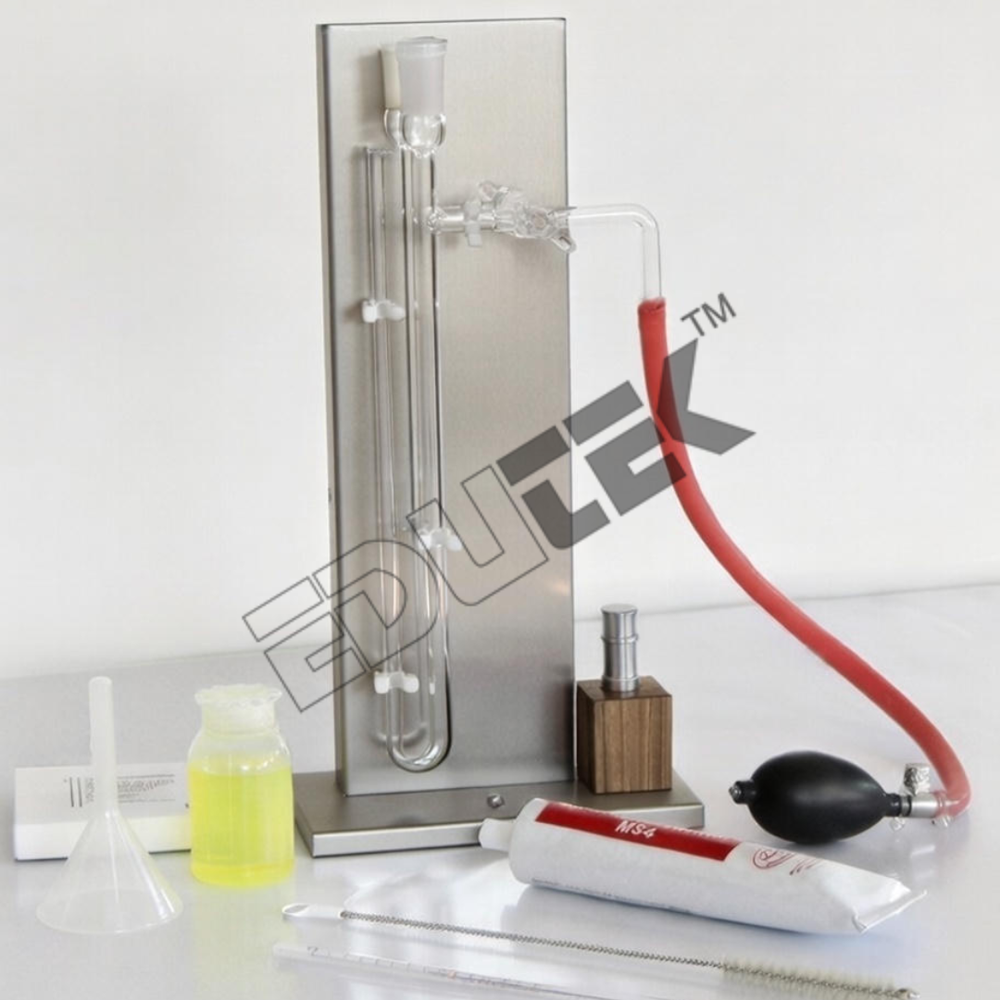
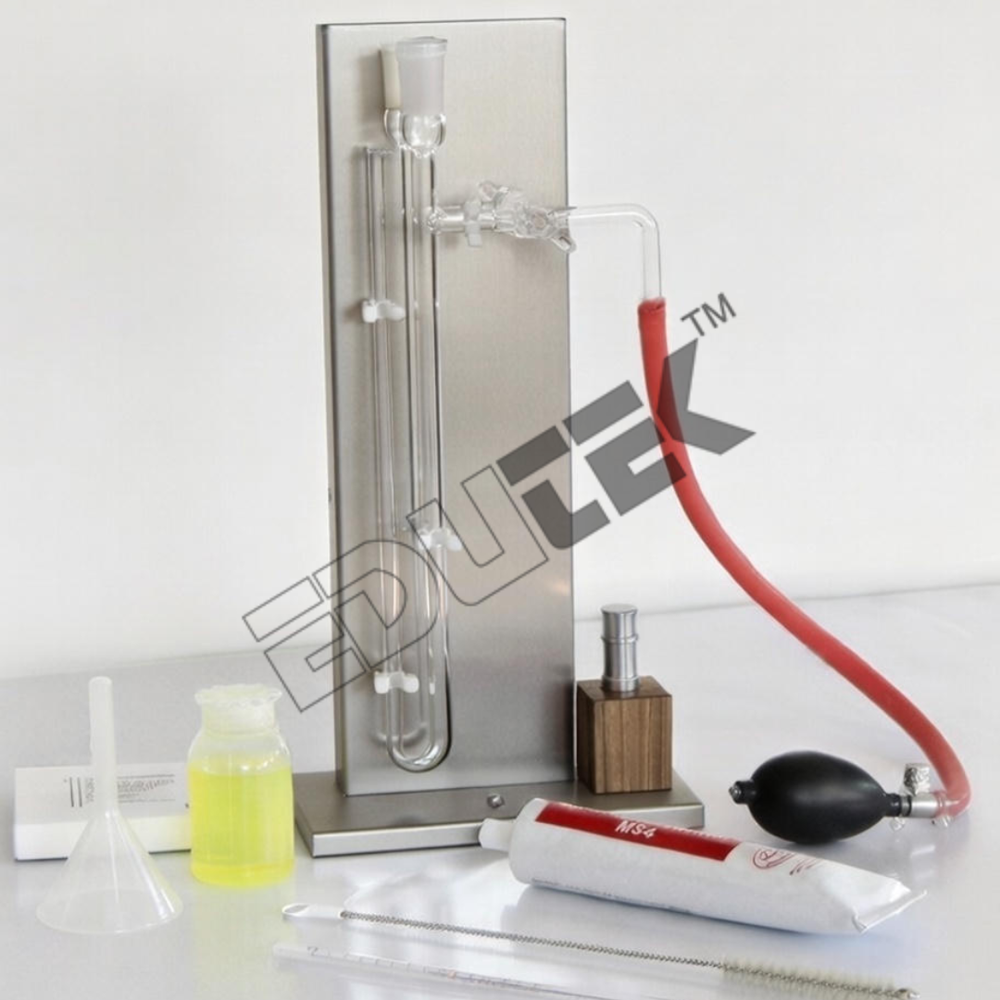
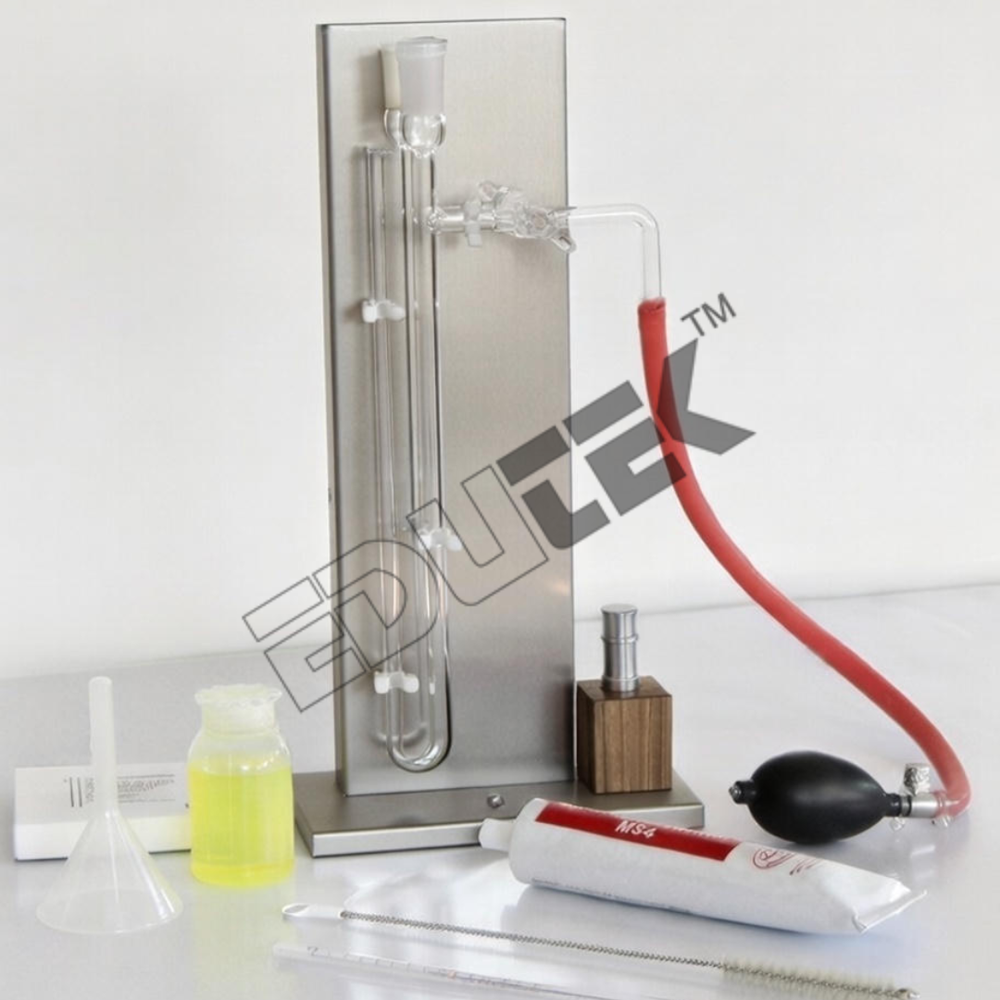
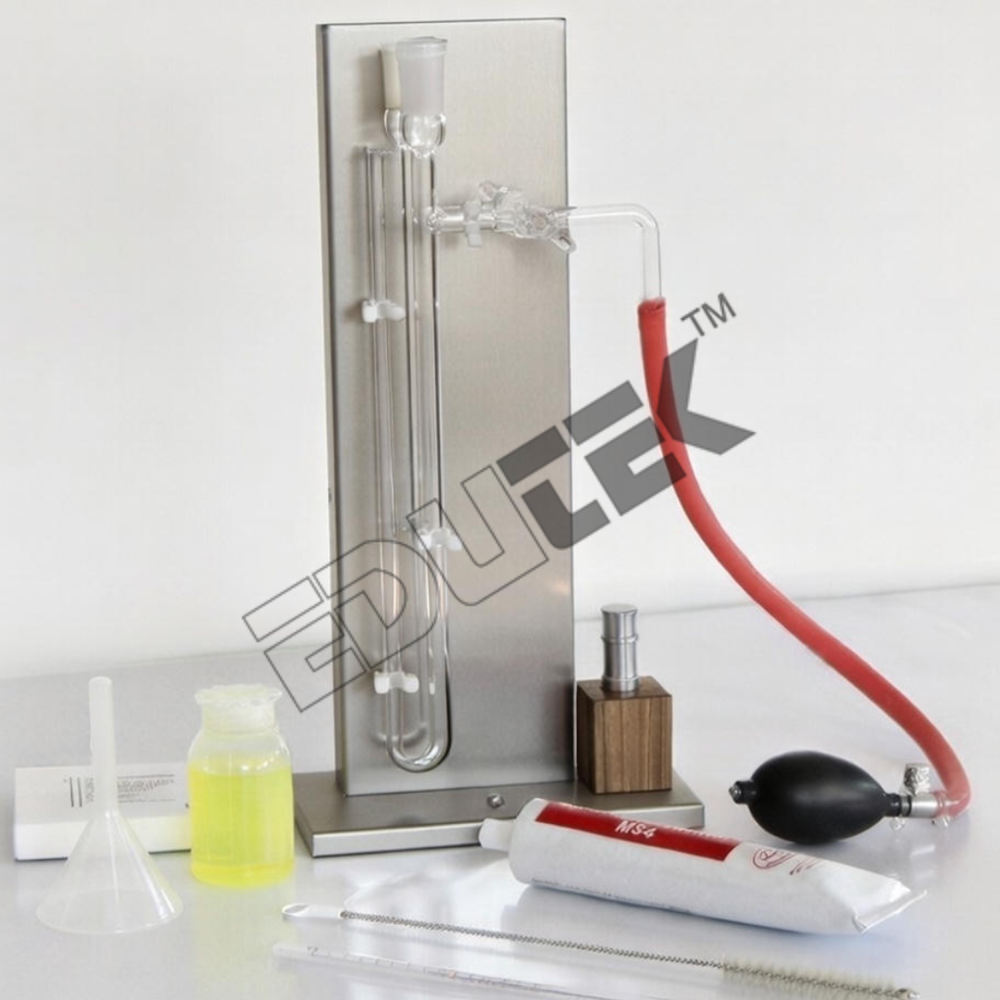
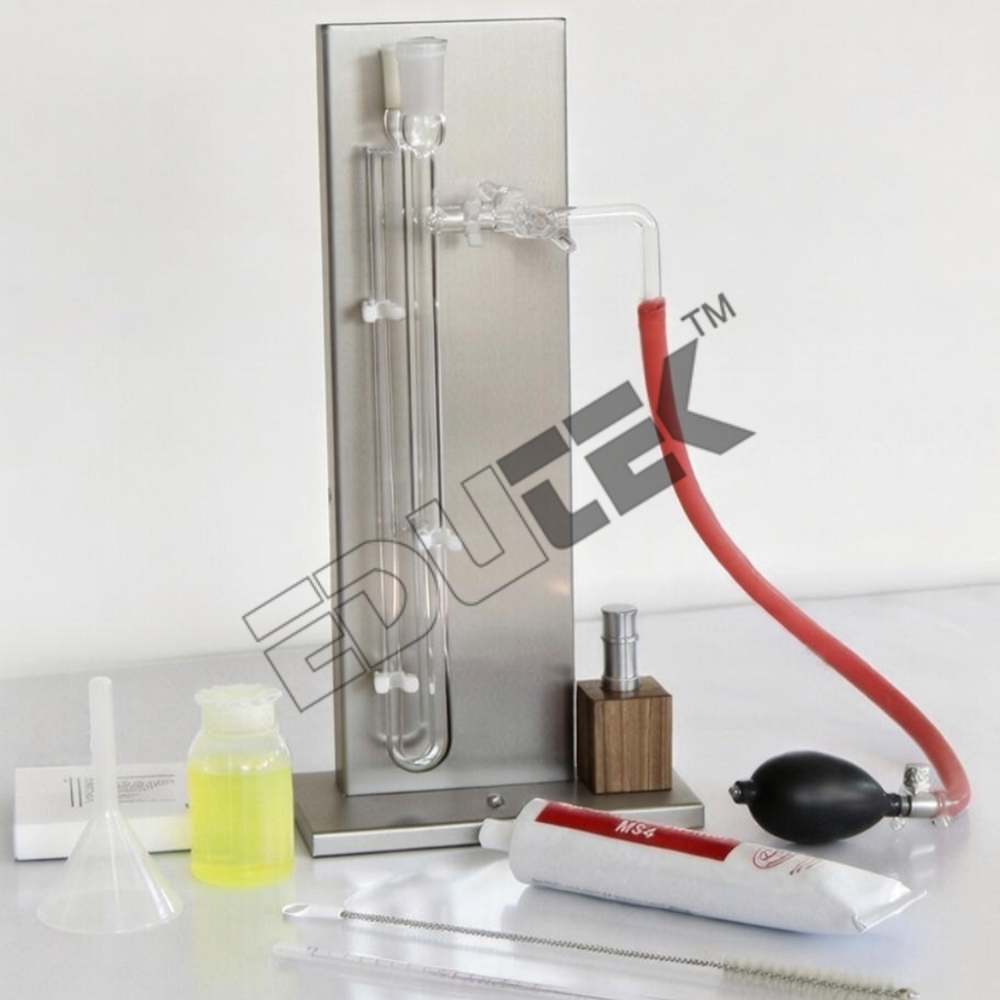
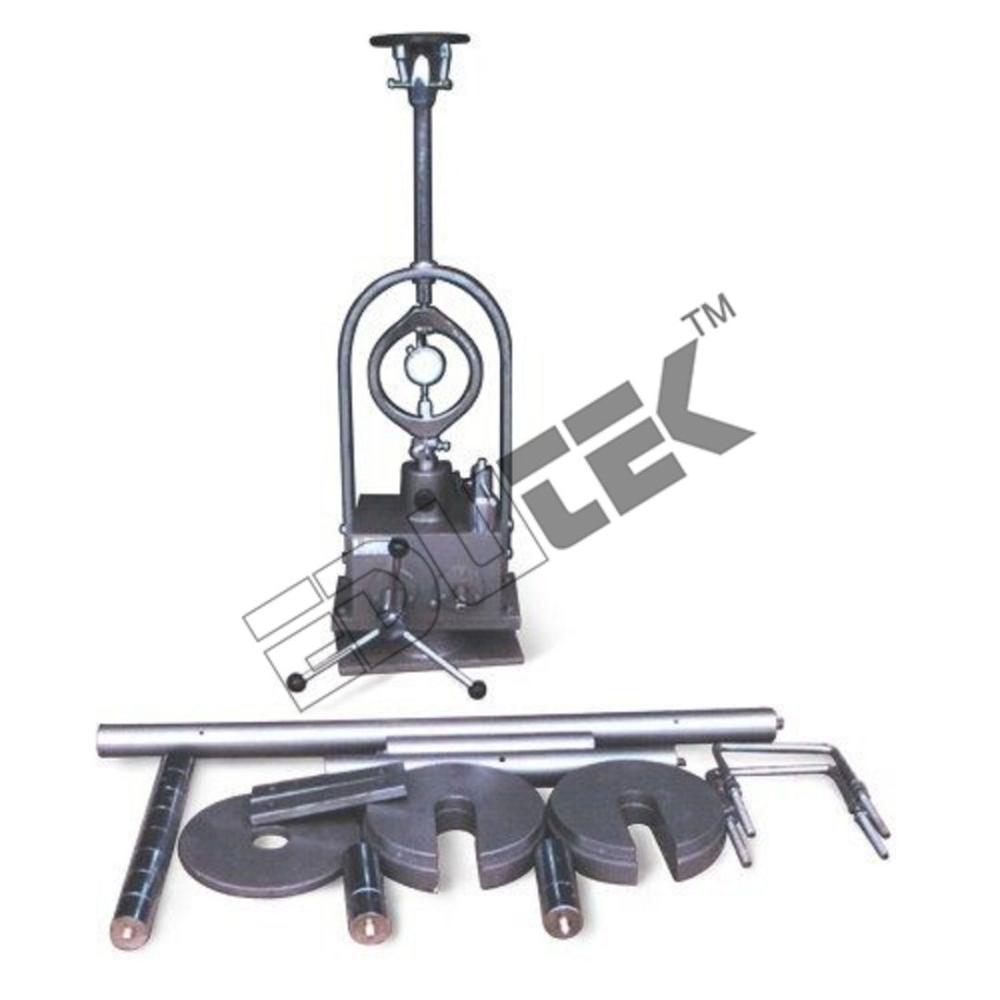
The equipment comprises one each: Gun metal mould, 100mm I.D. x 127 mm high x 1000 ml volume. Gun metal mould extension collar, 100 mm dia x 60 mm high for the above mould. Gun metal Drainage base plate with a recess for a porous stone and with an outlet valve. Metallic clamping ring. Gun metal drainage cap (top plate with a recess for a porous stone and fitted with an inlet valve and an air release valve.) Gun metal dummy plate to serve as a false bottom during compaction. Porous stone for drainage cap. Porous stone for base plate. Set of glass stand pipes approximately 6 mm dia., 10 mm dia and 20 mm dia mounted on a wooden board. Each glass tube is longer than 1 meter and has a serrested end at the bottom. To read water head 2 Nos. meter scales are fixed between the tubes. A length of 3 meter long rubber tubing with pinch cock is also supplied.
Dual Test Methods for Comprehensive AnalysisSupporting both Falling Head and Constant Head permeability tests, it provides flexibility in soil analysis. This ensures compatibility with a variety of laboratory requirements and soil types, giving researchers and students the capacity to conduct comprehensive assessments in compliance with ASTM/IS standards.
Robust and Precise ConstructionBuilt with borosilicate glass cylinders, stainless steel, and brass fittings, this apparatus offers high durability and leak-free operation. The porous stone drainage plate enhances measurement precision, complemented by an analog scale display for accurate and repeatable readings, resulting in reliable permeability data.
Efficient and User-Friendly Laboratory OperationDesigned for manual operation without the need for electrical power, the apparatus enables testing of 6 to 12 samples at once, optimizing laboratory productivity. Its compact footprint and easy assembly allow quick setup and smooth workflow, making it convenient for routine and advanced soil investigations.
FAQs of Soil Permeability Apparatus:
Q: How do the Falling Head and Constant Head test methods differ when using this apparatus?
A: The Falling Head method is generally used for fine-grained soils and involves observing the rate at which water head decreases through the sample. The Constant Head method, suited for coarse-grained soils, maintains a steady water head to measure flow. The SPA-101 supports both, allowing a broad range of soil types to be analyzed.
Q: What sample sizes and standards does this soil permeability apparatus accommodate?
A: The apparatus is designed for samples with diameters up to 75 mm and a standard height of 300 mm. It meets widely accepted ASTM and IS standards, ensuring suitability for both academic and industrial testing requirements.
Q: When should I use the apparatus in soil testing procedures?
A: It is ideal whenever precise determination of soil permeability is required, such as for site investigations, research projects, or quality control in construction. Its high accuracy and dual test methods make it a valuable tool during early site assessment and verification of soil properties.
Q: Where is this soil permeability apparatus typically used?
A: This apparatus is widely used in laboratories associated with geotechnical engineering, soil research, universities, and material testing. It is also suitable for quality assurance labs in civil construction sectors due to its robust design and consistent performance.
Q: What is the process for conducting a permeability test with this apparatus?
A: The basic process involves preparing a soil sample in the cylinder, placing drainage plates, securing fittings, filling the reservoir, and then following either Falling Head or Constant Head procedures. Water flow is monitored using the analog scale, and permeability is calculated based on the volume and time readings.
Q: How does this apparatus benefit laboratory soil testing?
A: Its ability to handle multiple samples, precise analog measurement, and dual test methods increases efficiency, accuracy, and test repeatability. The manual operation means no dependency on external power, and the robust materials ensure long-term, cost-effective use.
Q: What maintenance and care are recommended for optimal performance?
A: Regularly clean the glass cylinders, drainage plates, and fittings with distilled water. Verify leak-proof connections before each use, and store components in a dry environment. Proper maintenance guarantees the integrity of test results and extends equipment lifespan.





 Send Inquiry
 Send Inquiry

