About Self-Commutated Converter Circuits Unit
SELF-COMMUTATED CONVERTER CIRCUITS UNIT
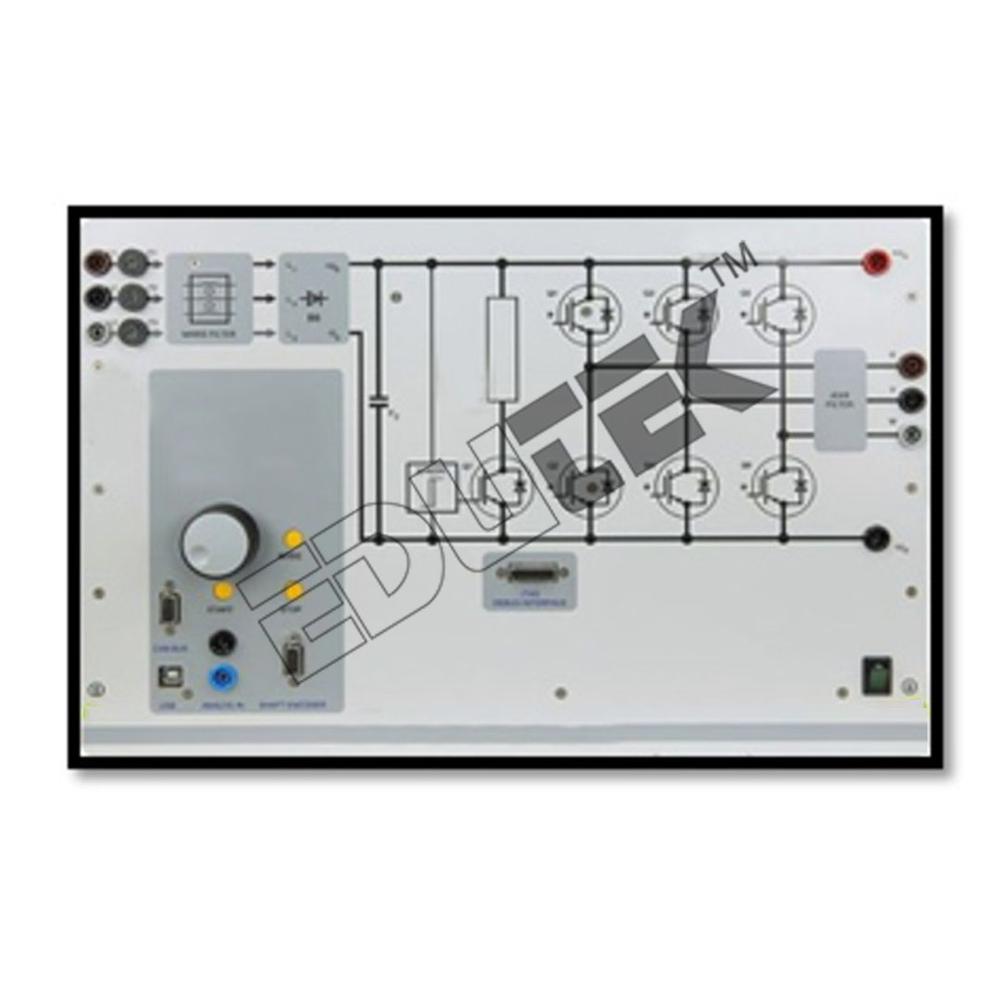
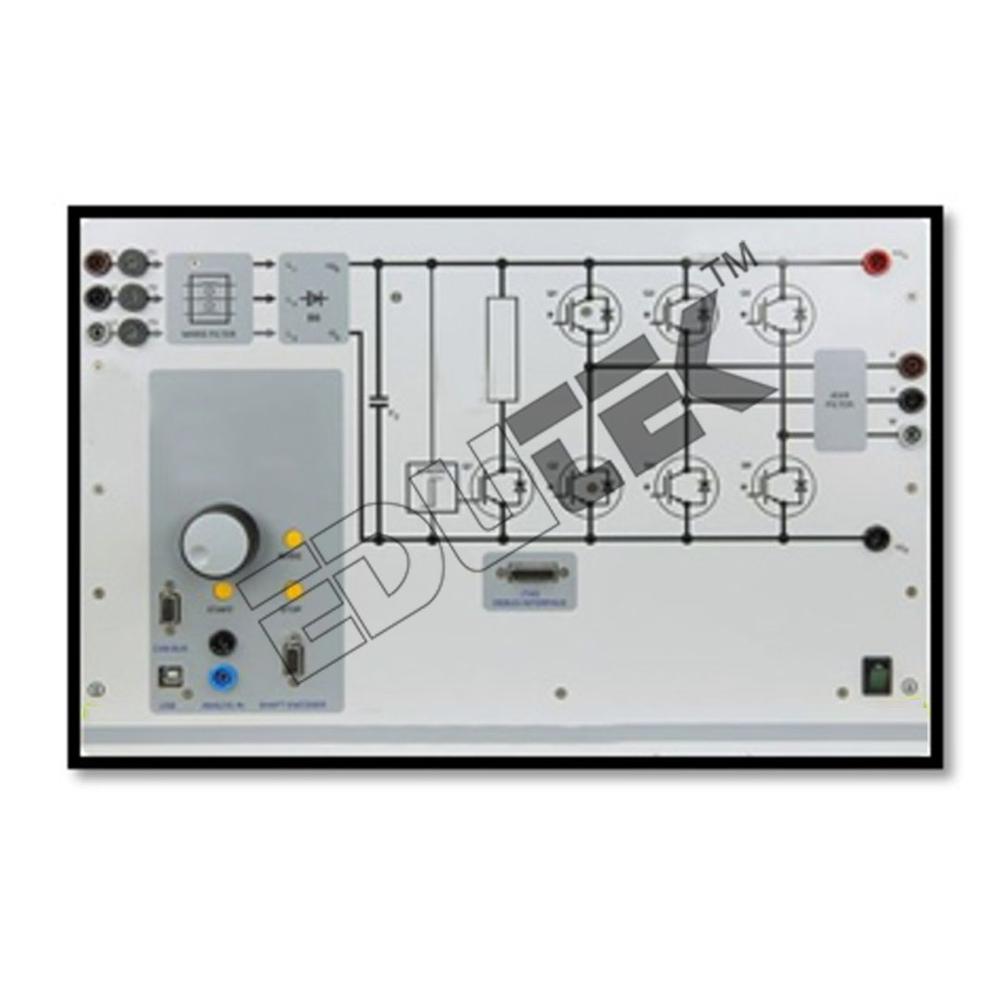
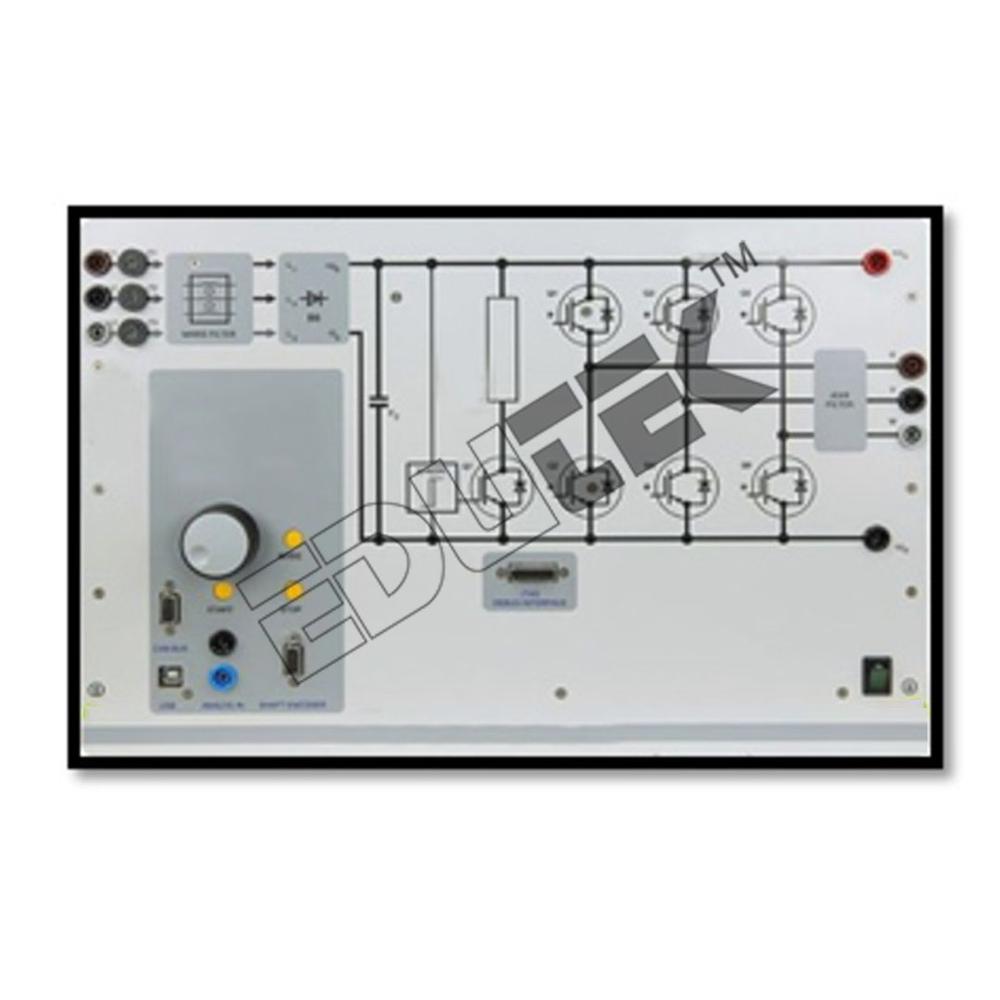
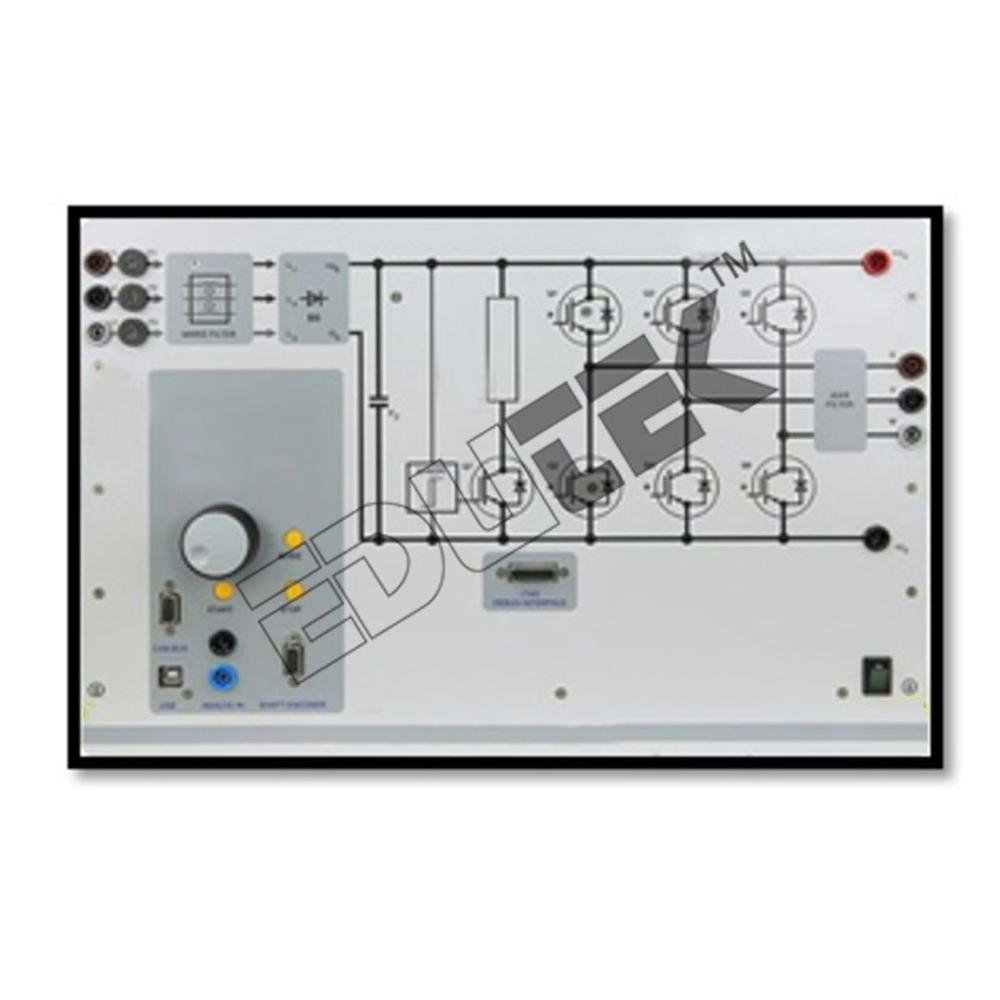
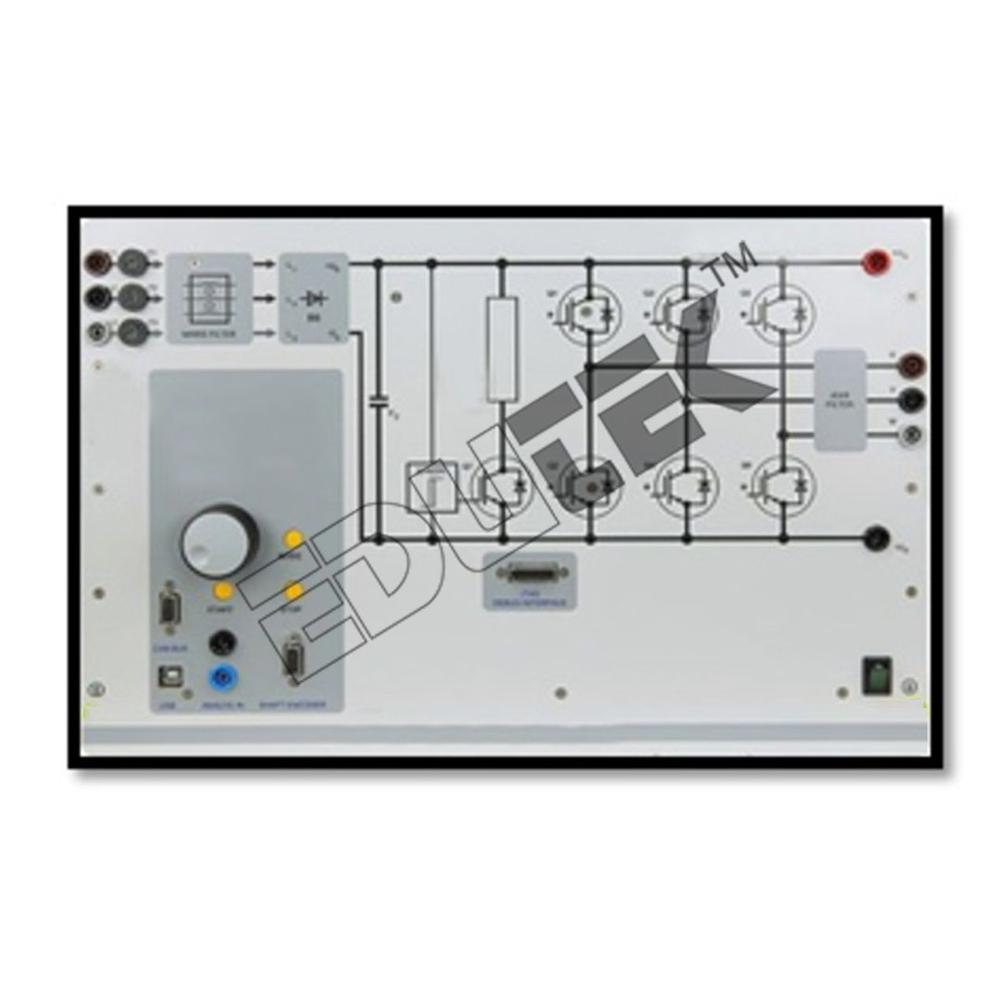
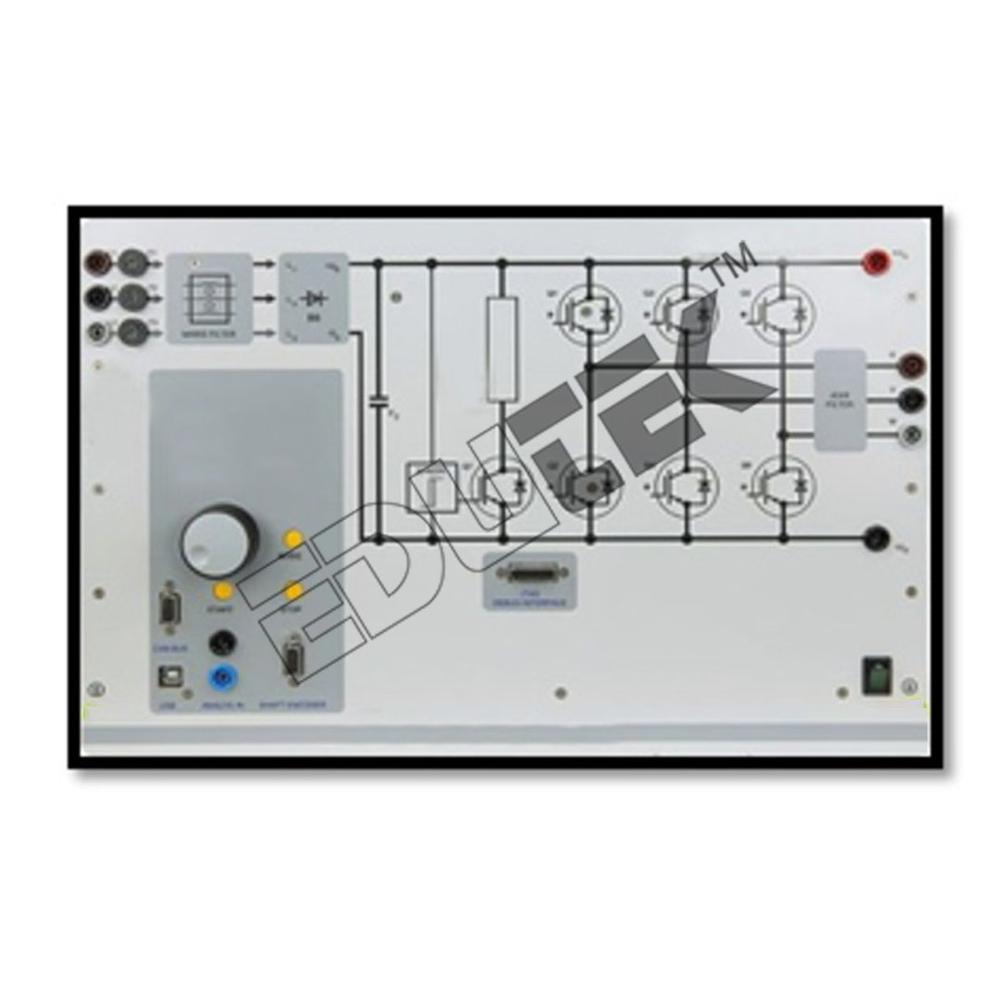
The unit serves to familiarize students with the components and principle of IGBT, Control of pulsc-width modulation, DC chopper controller in 1-, 2- and 4-quadrant operation, Modulation of low-frequency AC voltage with pulse-width modulation, step-down controller, H-bridge, inverter, Resistive and inductive loads, Control characteristics and operating graphs Frequency analysis and examination of harmonics
- Unit power 300W
- Unit power supply 220V, 60Hz, 3-phase
- Pc and Software and license for operation included
- All required tools for operation included
- Unit complete with all required accessories and machines
- Installation and Commissioning and training included
Versatile Laboratory TrainingThis unit supports comprehensive training in self-commutated converter circuits, covering both single-phase and three-phase experiments. Its modular design and expandable functionality allow educators and technicians to broaden the scope of experiments to meet evolving curriculum needs.
User-Friendly Controls and SafetyThe panel includes intuitive control switches for start/stop, emergency cut-off, and mode selection. LED indicators provide clear status feedback. Individually fused input/output channels and interlocked operation enhance safety during usage and experimentation.
Reliable Construction and Standards ComplianceConstructed from powder-coated mild steel with a 2 mm thick chassis, the equipment meets IEC/IS standards. The portable bench-top case, natural air cooling, and IP20 protection rating ensure stability, safety, and ease of transport in laboratory settings.
FAQs of Self-Commutated Converter Circuits Unit:
Q: How do I safely operate the Self-Commutated Converter Circuits Unit?
A: Begin by connecting the unit to a 220V, 3-phase AC mains source. Use the control switches to start or stop the operation and the emergency cut-off for immediate shutdown. The comprehensive manual guides you through safe handling, including the use of fused channels and protective features.
Q: What types of experiments can be performed with this unit?
A: The system enables laboratory practice on both single-phase and three-phase self-commutated converter circuits. Its modular design allows the addition of extra experiment modules, expanding its capacity for various training scenarios.
Q: When should the overload and overtemperature protection be used?
A: These safety features automatically activate to prevent damage when the unit detects excessive temperature or electrical load during operation, ensuring reliable and safe experimental conditions at all times.
Q: Where can I find the status of circuit operation during experiments?
A: LED indicators on the panel show the current operational status of the circuit, while measurements can be monitored on both analog and digital meters, providing real-time feedback throughout laboratory use.
Q: What is the benefit of having individually fused input and output channels?
A: Individual fusing protects each circuit channel from excessive currents and short circuits, minimizing the risk of damage and ensuring both equipment and user safety during intensive laboratory sessions.
Q: How does the panel construction enhance the units durability?
A: The powder-coated mild steel panel with a 2 mm thickness provides robust protection against physical impacts and corrosion. Combined with a portable bench-top design, this ensures longevity and ease of relocation within laboratory environments.
Q: What process is followed for module expansion and flexible terminal connections?
A: To expand functionality, additional modules can be connected via the front-panel terminals and banana sockets. High-quality insulated flexible wires ensure secure and safe experimental setups, allowing for easy reconfiguration as training needs evolve.




 Send Inquiry
 Send Inquiry

