About Permeability Apparatus
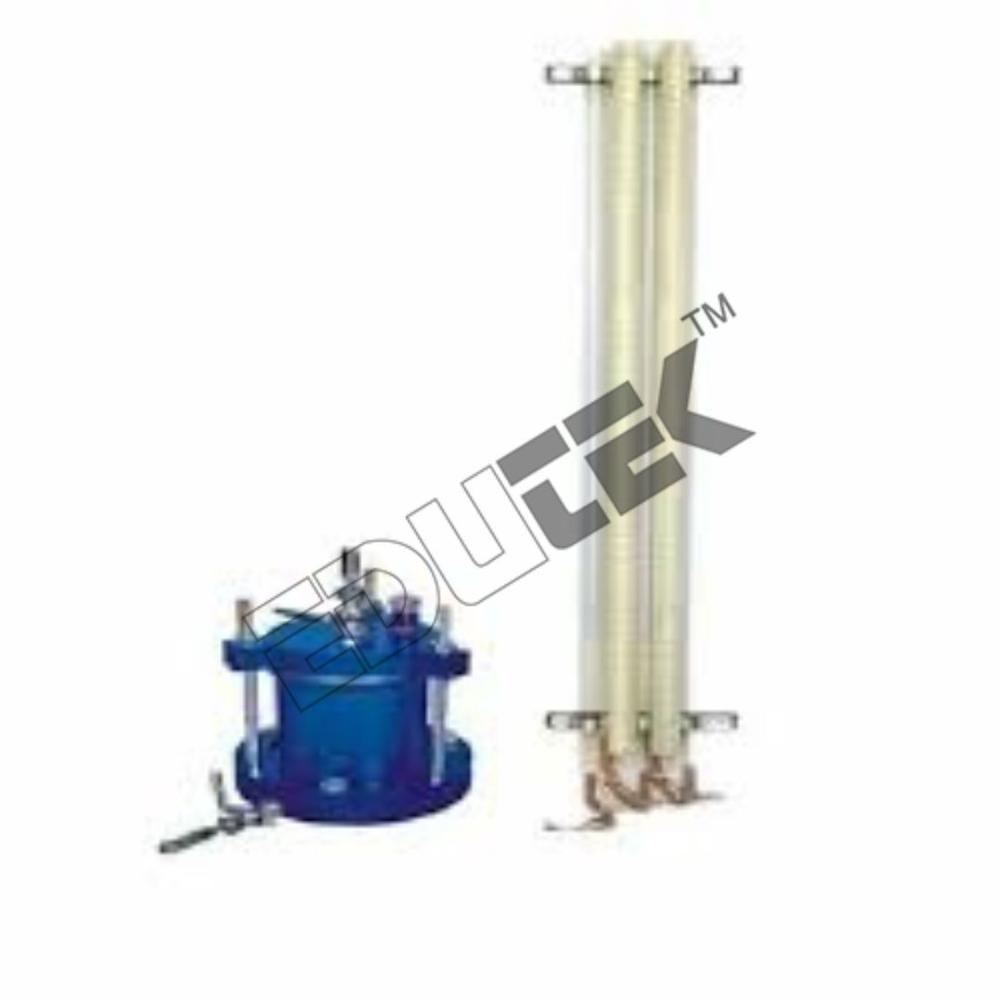
Permeability Apparatus Falling Head Permeability
- The apparatus is used for the laboratory determination of permeability of soil using a constant or a variable head.
- This test is recommended for soils with co-efficient permeability in the range of 0 10-3 to 10-7 cm/sec.
- The maximum particle size of the soil which can be tested in the mould is 10mm.
Specification
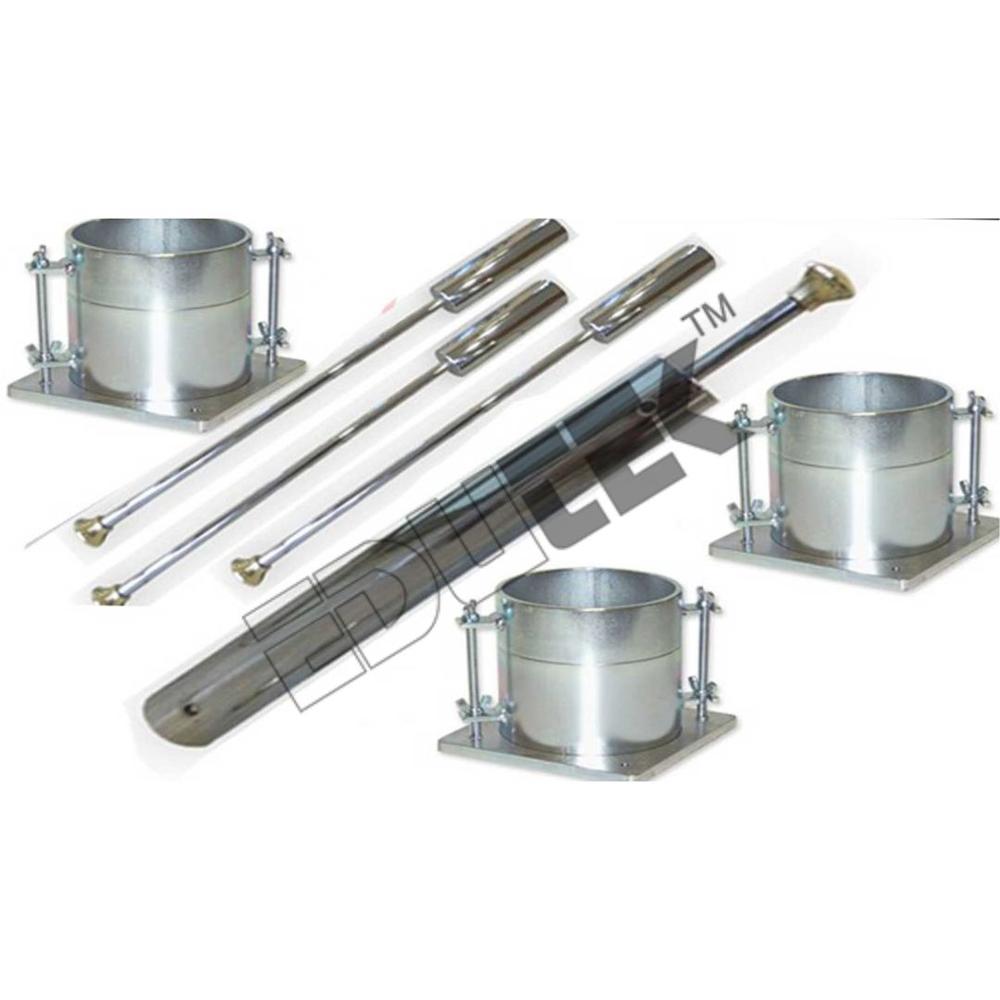
The equipment comprises one each:
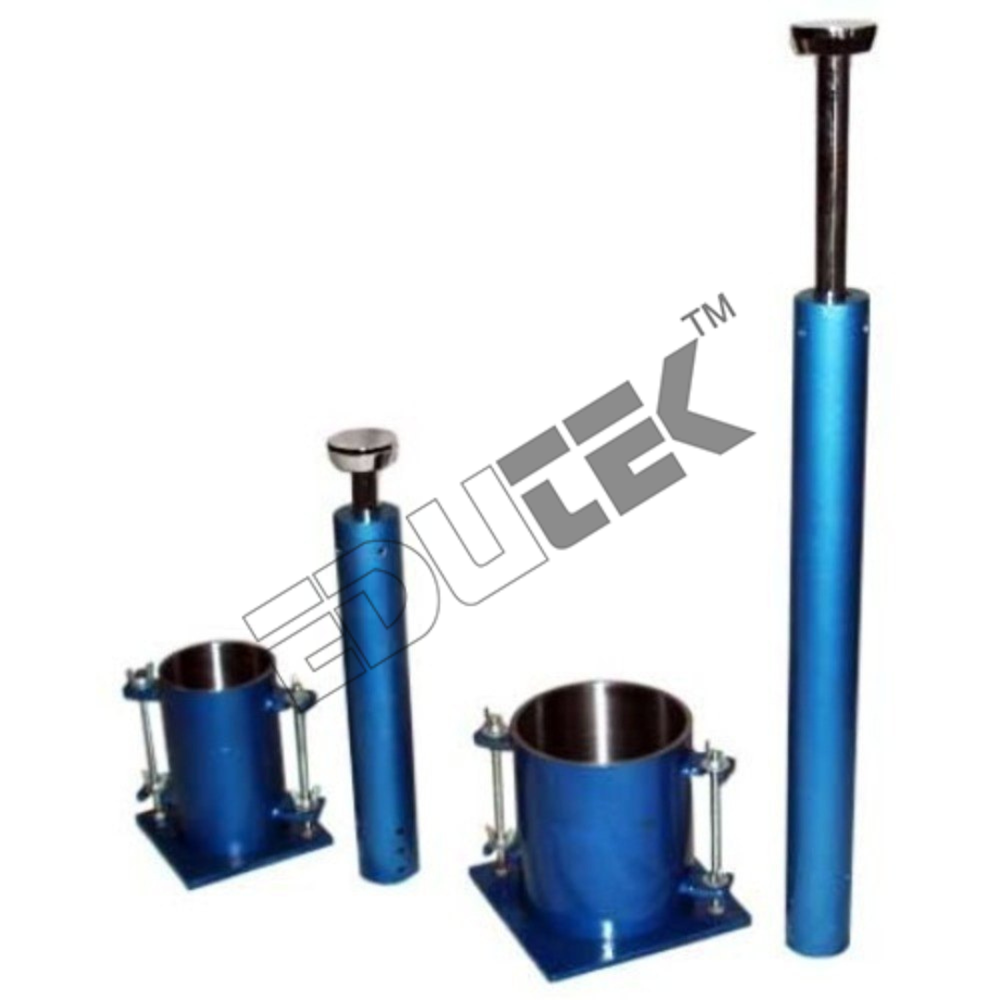
- Gun metal mould, 100mm I.D. x 127.3mm high x 1000ml Volume.
- Gun metal mould extension collar, 100mm dia x 60mm high for the above mould.
- Gun metal drainage base plate with a recess for a porous stone.
This apparatus offers manual operation, allowing for meticulous control during soil permeability assessments. Engineers appreciate its straightforward design that focuses on accuracy, ensuring reliable results without digital distractions. The equipment suits educational, research, and professional soil labs.
Durable Construction and Reliable WarrantyMade entirely from robust metal materials, the apparatus withstands demanding lab environments. The included one-year warranty adds peace of mind for buyers, guaranteeing performance and quality over extended usage periods. Its metal build ensures stable measurements and long-term usability.
FAQs of Permeability Apparatus :
Q: How does the Permeability Apparatus work for soil testing?
A: The apparatus measures the permeability of soil by allowing water to flow through a soil sample using either the constant or variable head method. Operators manually monitor the flow, enabling them to determine the coefficient of permeability accurately.
Q: What are the main benefits of using this manual Permeability Apparatus?
A: The manual design provides direct control over the testing process, offering precise results with 99% accuracy. Its sturdy metal construction ensures durability, while the one-year warranty gives users confidence in long-term performance.
Q: When should the Permeability Apparatus be used in geotechnical investigations?
A: This equipment is ideal during the soil characterization phase of geotechnical projects, especially when permeability data is needed for designing foundations, retaining structures, or groundwater studies.
Q: Where is this Permeability Apparatus manufactured and supplied?
A: It is manufactured, supplied, and exported from India, making it readily available to laboratories, educational institutions, and engineering firms within and outside the country.
Q: What is the process for operating the Permeability Apparatus?
A: To operate, users prepare a soil sample, set it in the apparatus, and fill the head tank with water. The flow is monitored manually, either under constant or variable head conditions, and necessary measurements are taken as water passes through the soil.
Q: How can laboratories benefit from a manual, metal-constructed Permeability Apparatus?
A: Laboratories benefit from the equipments high accuracy, reliable manual operation, and robust build, all of which contribute to precise soil permeability data, essential for engineering analysis and research.




 Send Inquiry
 Send Inquiry

