About Marshall Stability Test Apparatus
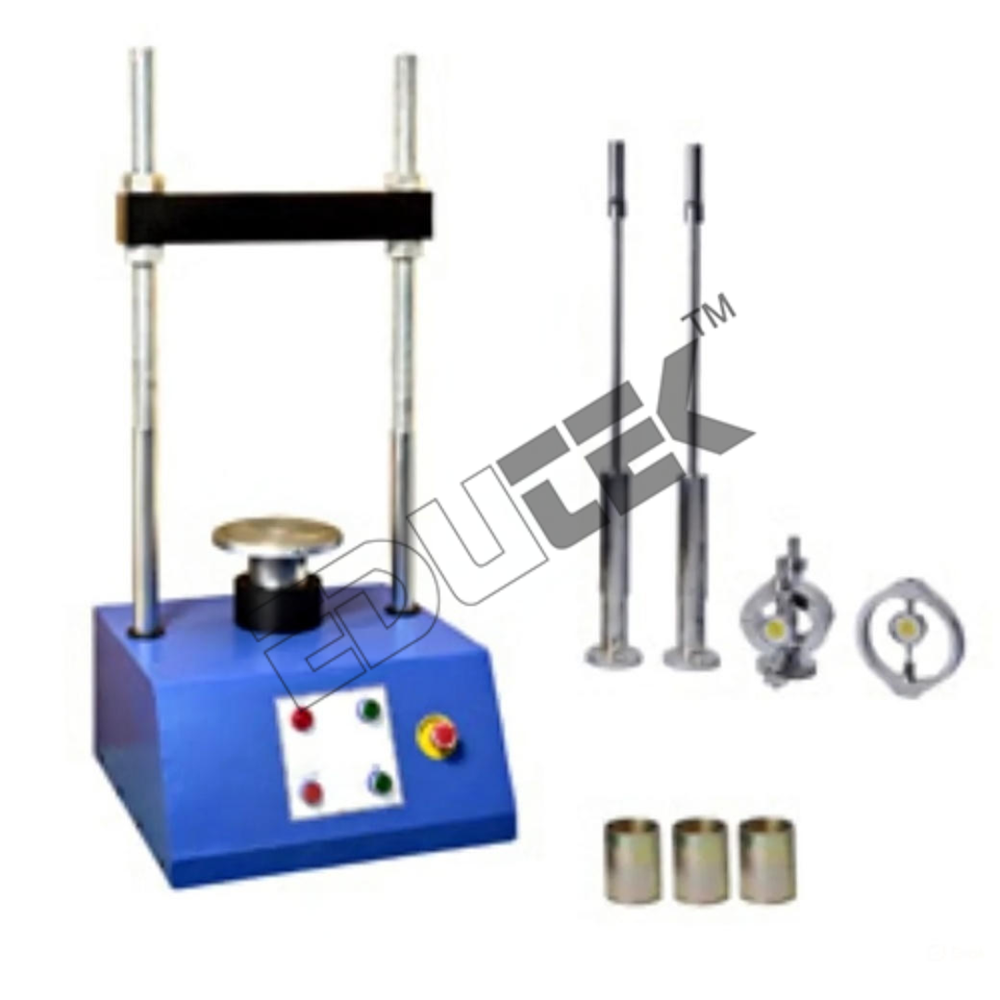
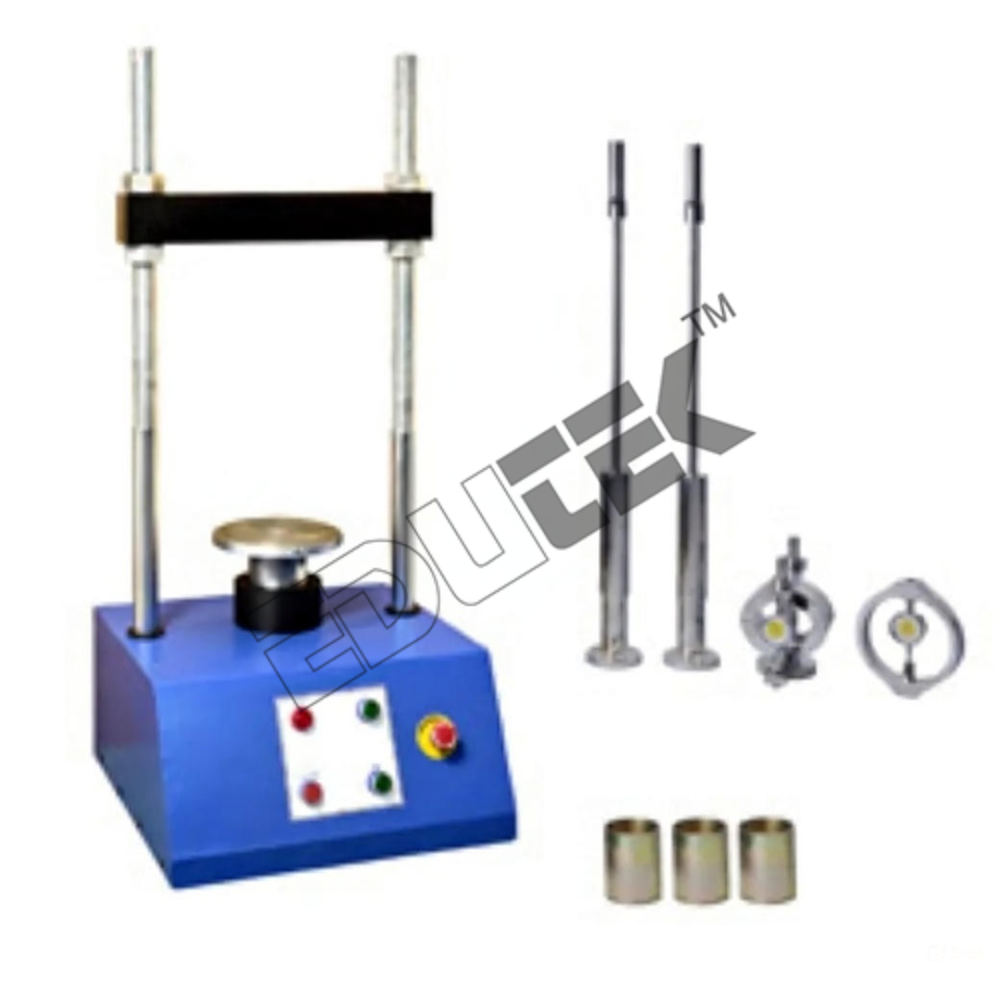
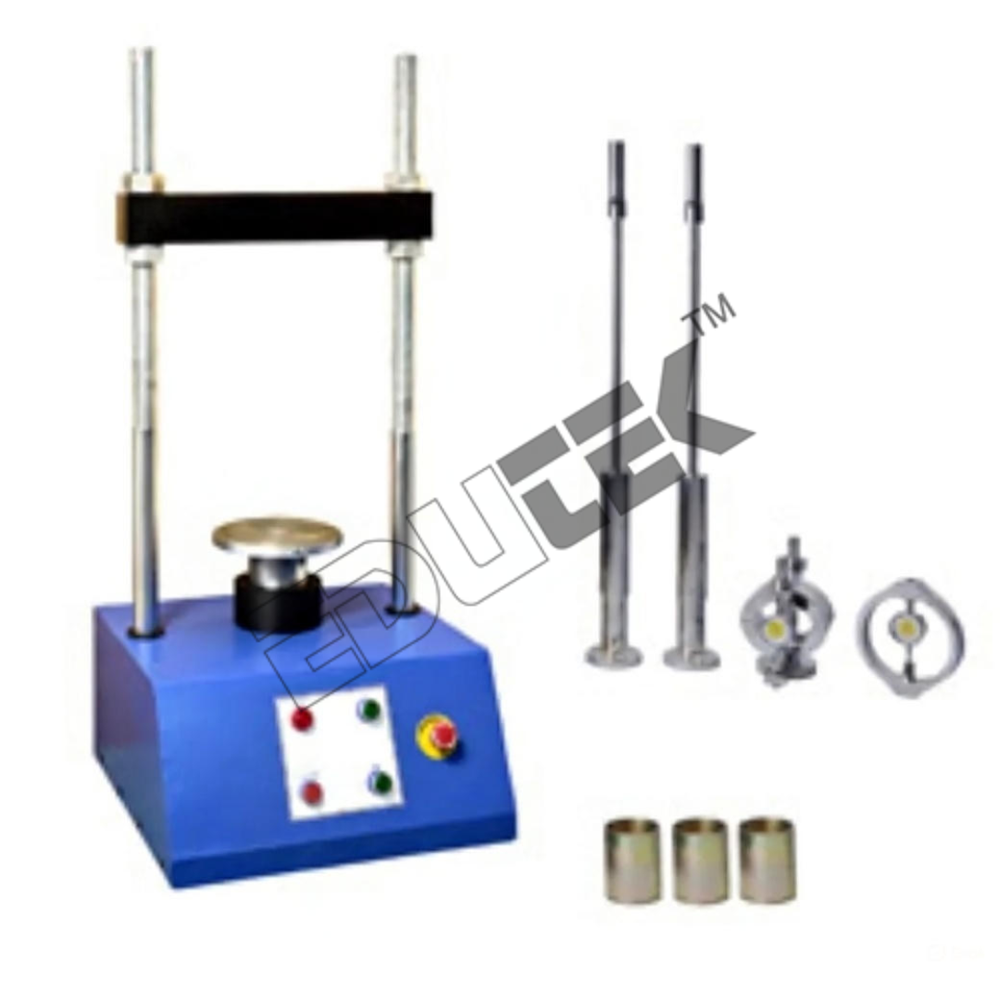
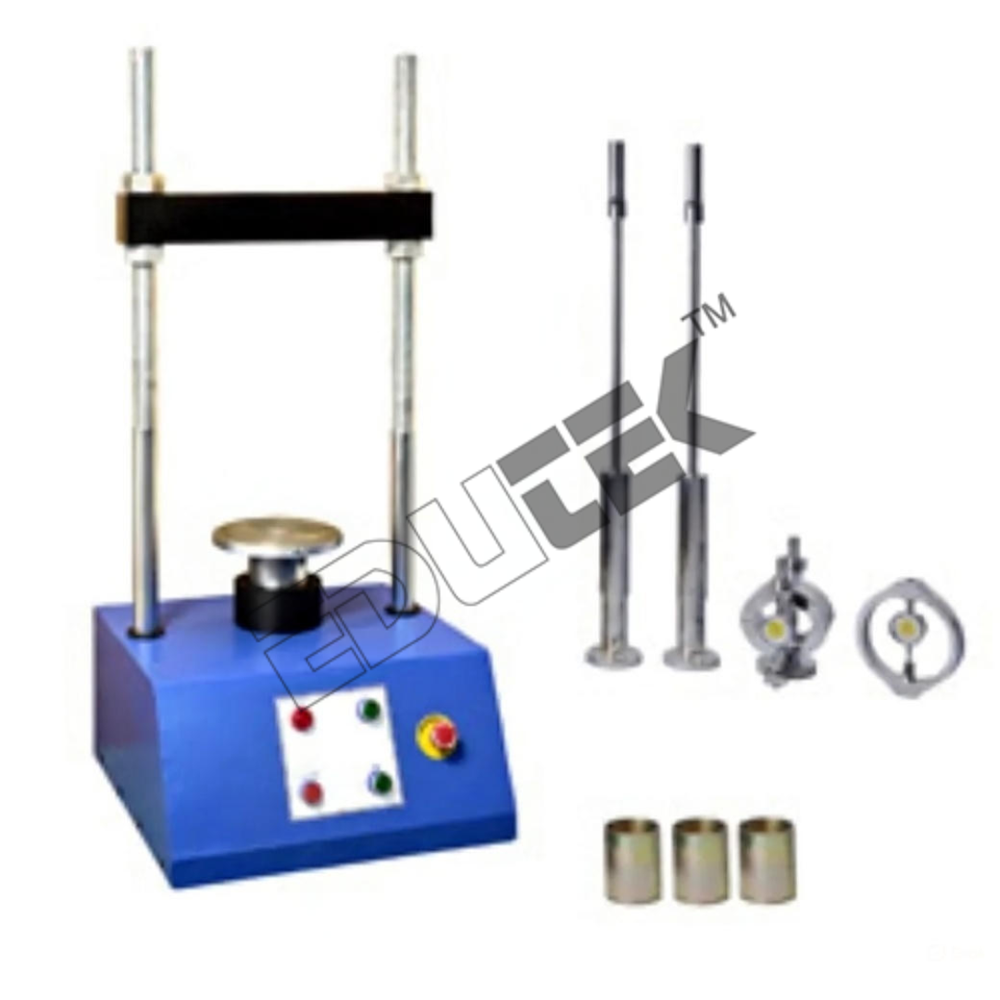
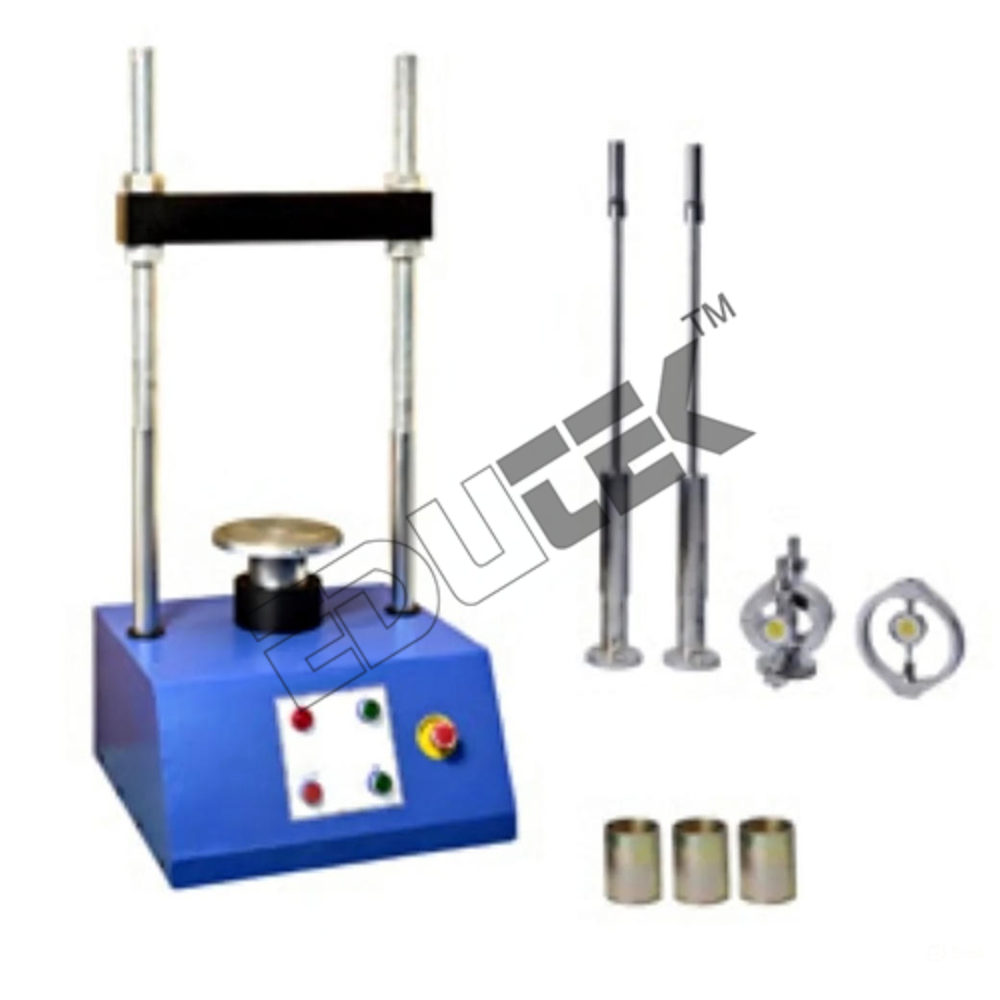
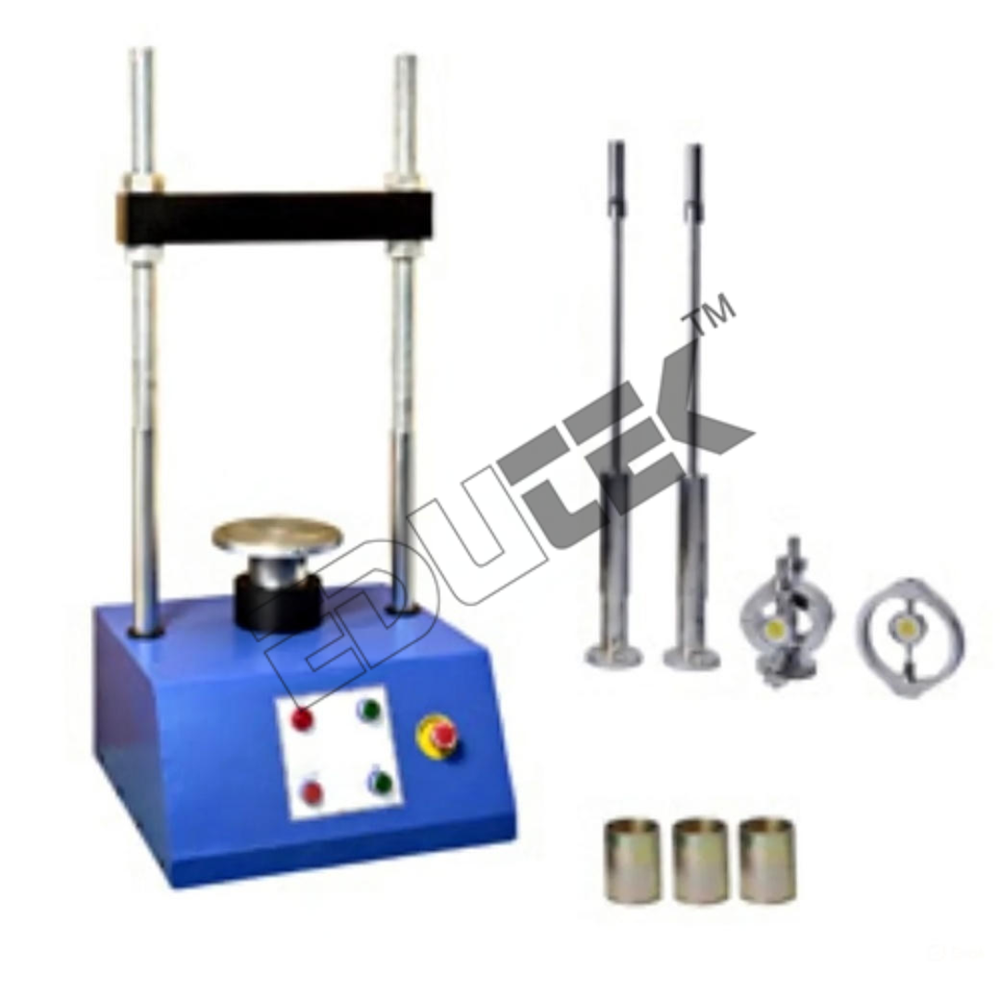
Marshall Stability Test ApparatusMARSHALL APPARATUS CONSISTS OF:
- Robust Construction
- 50KN capacity
- Rate of travel 50.8mm/min
- Safety cut-off switch
It consists of body housing, a geared screw jack and motor drive mechanism suitable for operation on 230 V, 50Hz, Single Phase, A.C. supply.
Precise Load and Flow MeasurementUtilizing a strain gauge-based load cell and a highly sensitive dial gauge, this apparatus delivers accurate stability and flow readings vital for assessing bituminous mix properties. Digital or analog indicators are available, allowing users to choose according to their testing needs. The apparatus supports exact evaluation, ensuring reliability in highway material testing.
Built for Standards and DurabilityComplying fully with ASTM D1559, AASHTO T245, and IS:1201-1220, the device guarantees repeatable results fitting industry benchmarks. Its rigid two-column frame constructed from mild steel offers stability during operation, while hardened steel components provide long-term durability even under high loads.
User-Friendly and Safe OperationEquipped with overload protection and automatic cutoff features, this system prioritizes operator safety. Factory calibration and an intuitive control system ensure ease of use. Fitted wheels and compact design allow for mobility and flexibility in laboratories or field sites, while minimal maintenance requirements help streamline operations.
FAQs of Marshall Stability Test Apparatus:
Q: How does the Marshall Stability Test Apparatus measure load and flow during bituminous mix testing?
A: The apparatus uses a strain gauge-based load cell to capture load values, displayed digitally for clarity. Flow is monitored using a dial gauge with a 0-25 mm range and a least count of 0.01 mm, enabling precise measurement of specimen deformation during the test.
Q: What are the specimen size requirements for this equipment?
A: The system can accommodate both 4-inch (101.6mm) and 6-inch (152.4mm) diameter specimens, thanks to interchangeable breaking heads and molds provided as accessories. This flexibility ensures it meets varying test specifications for different projects.
Q: When is the heating bath accessory used in the testing process?
A: The thermostatically controlled water bath is optionally used for specimen conditioning, ensuring bituminous samples are tested at standardized temperatures required by relevant norms such as ASTM D1559 and AASHTO T245.
Q: Where can this apparatus be used effectively?
A: Designed for both laboratory and field environments, its robust construction and wheel-mounted base allow easy movement and installation. It is ideal for quality assurance labs, research facilities, and on-site testing for road and highway construction projects.
Q: How is operator safety ensured during equipment usage?
A: Safety is maintained with an overload protection device that automatically cuts off the machine if excessive stress is detected, preventing damage to the system and assuring safe handling during testing.
Q: What process is followed for calibration and maintenance?
A: The machine is factory-calibrated and supplied with a calibration certificate, facilitating immediate reliable use. Maintenance needs are minimal, owing to its sturdy design and ease of servicing, which helps maintain consistent accuracy over time.
Q: What benefits does using this apparatus offer to users?
A: Users gain accurate, repeatable results essential for evaluating bituminous mix performance. Compliance with international standards, versatility in specimen handling, integrated safety, and low maintenance requirements make it a cost-efficient and dependable asset for pavement material testing.




 Send Inquiry
 Send Inquiry

