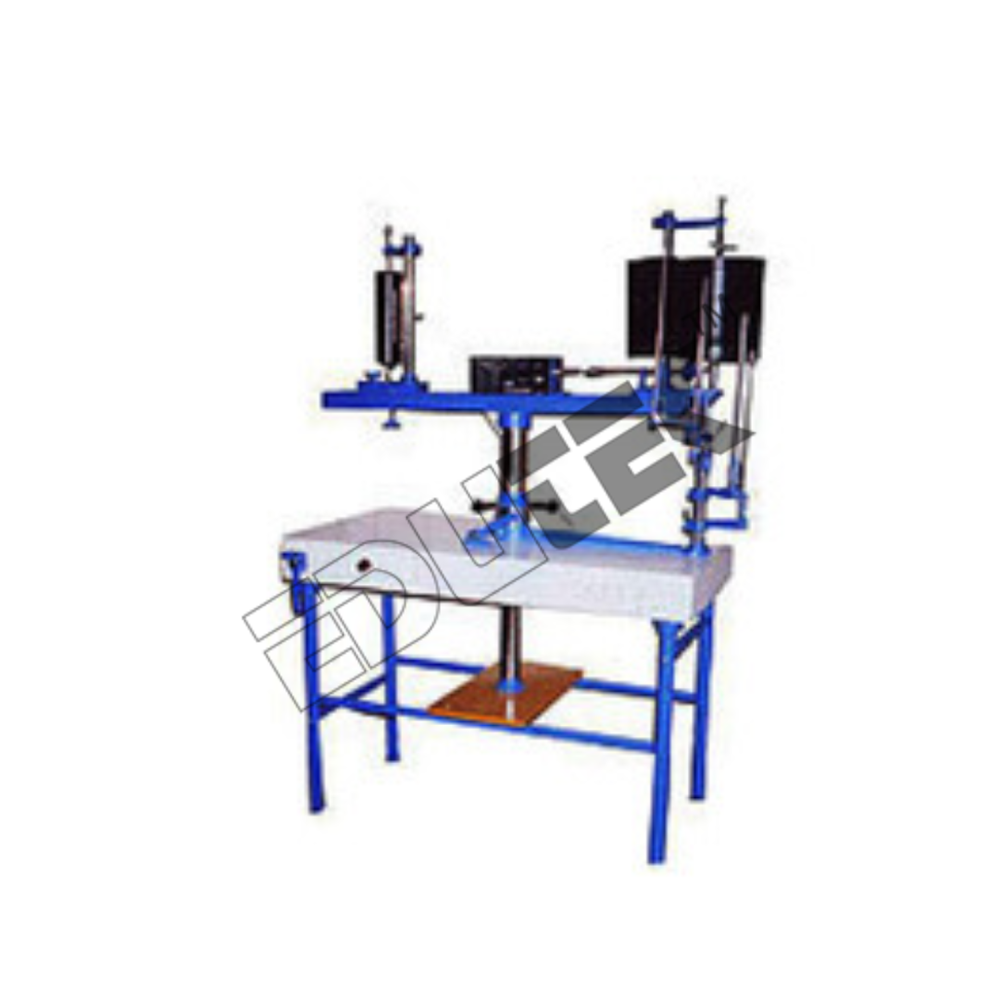
About Manometers .
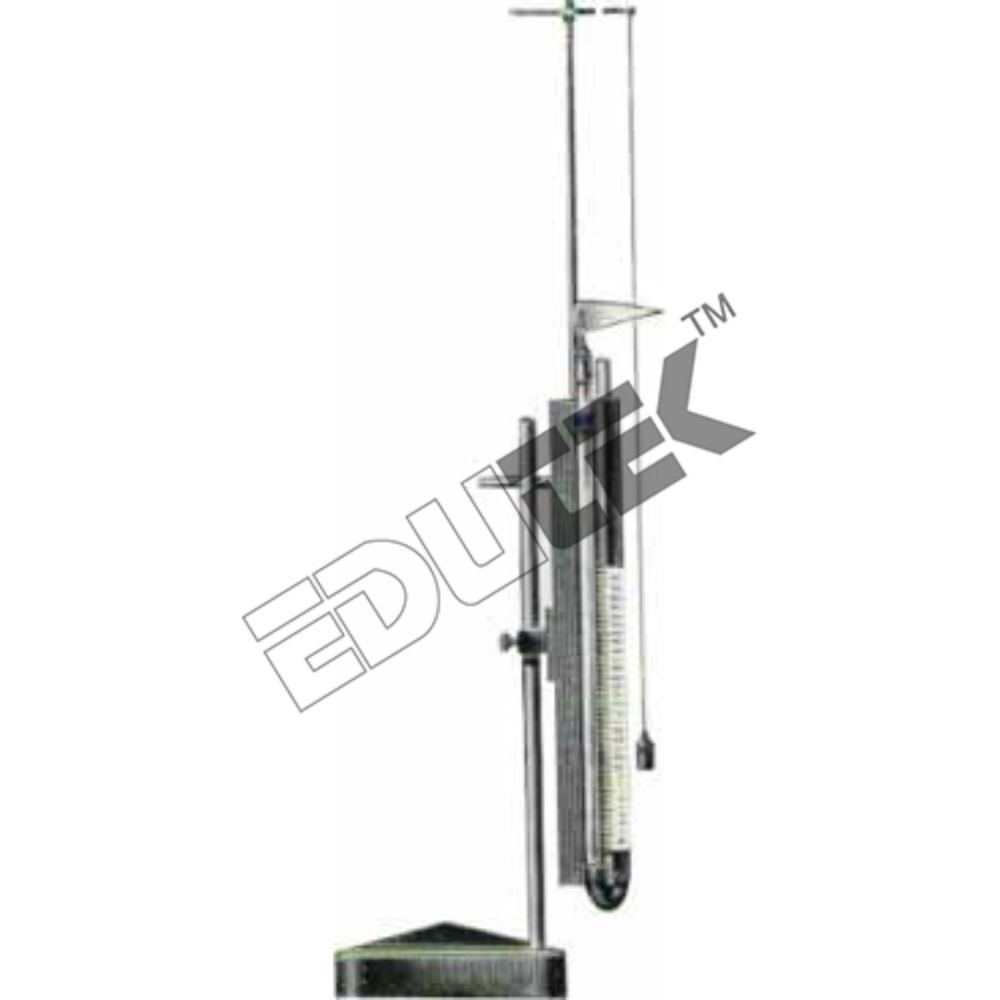
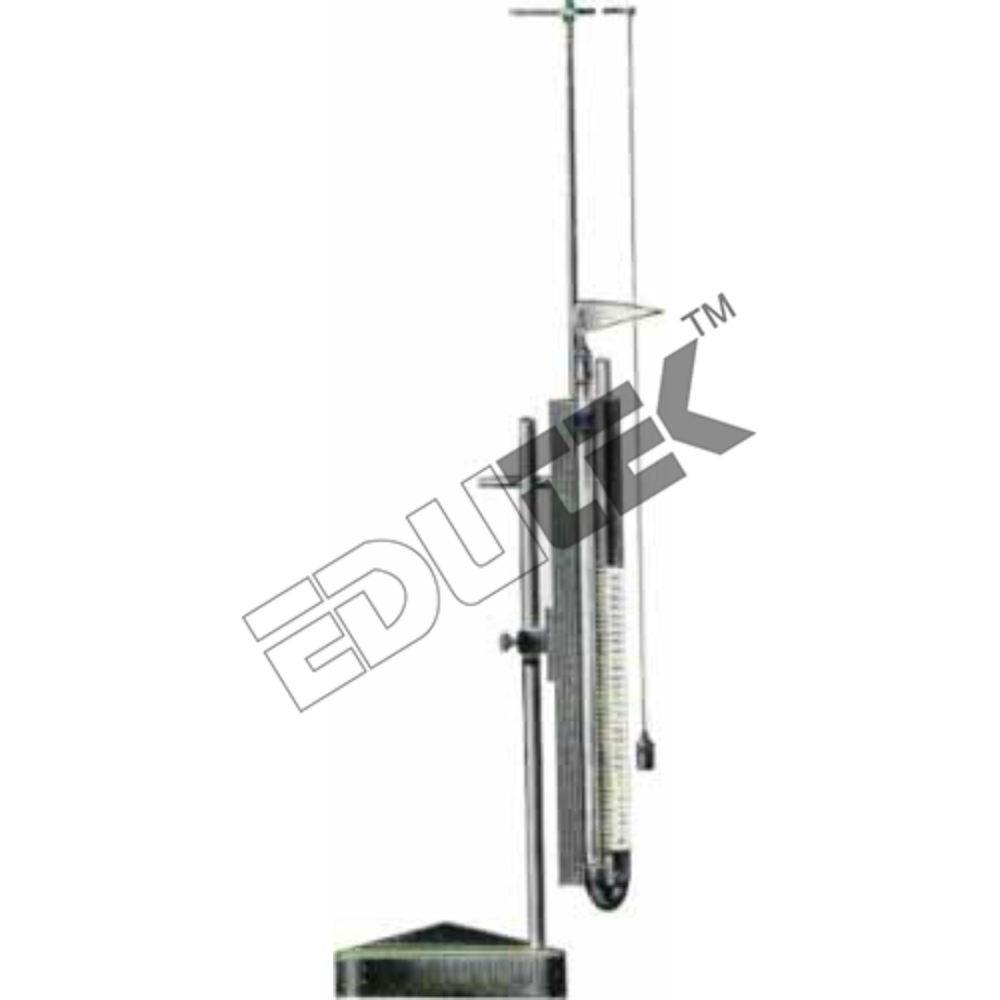
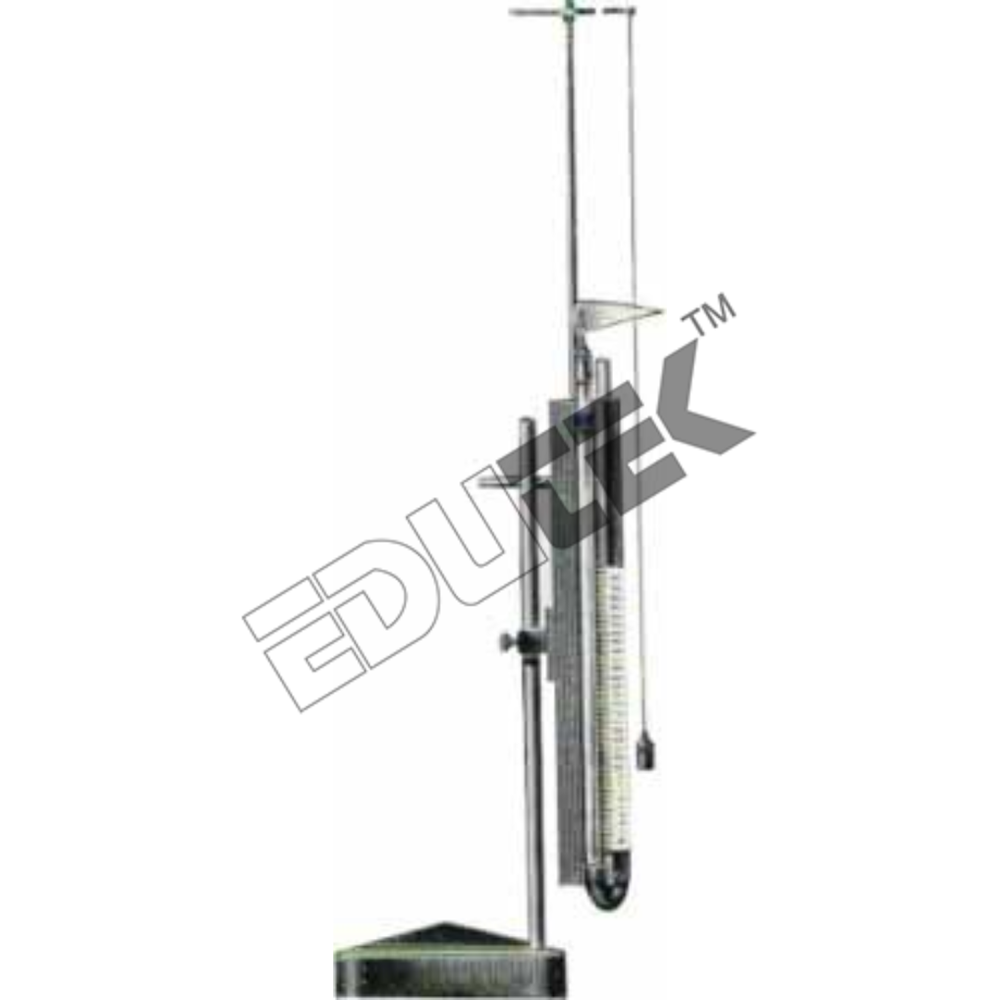
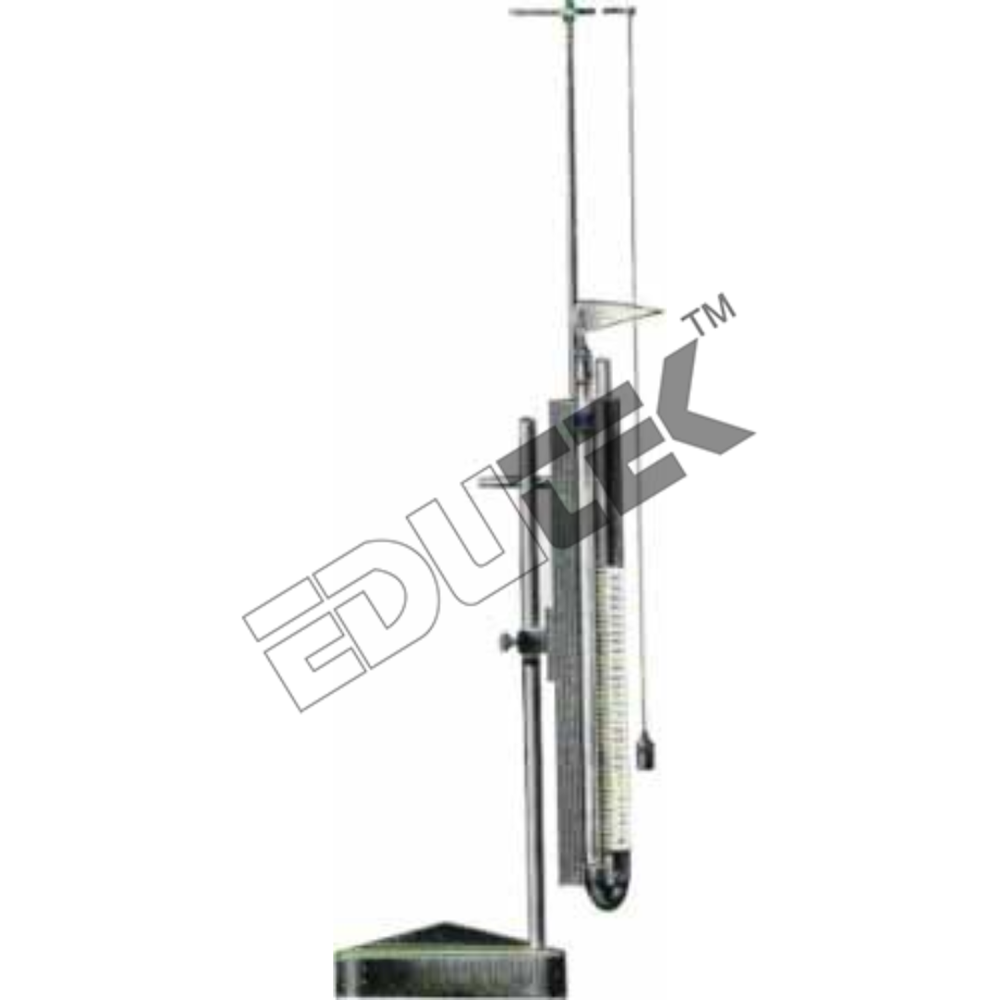
Manometers ETPL-252
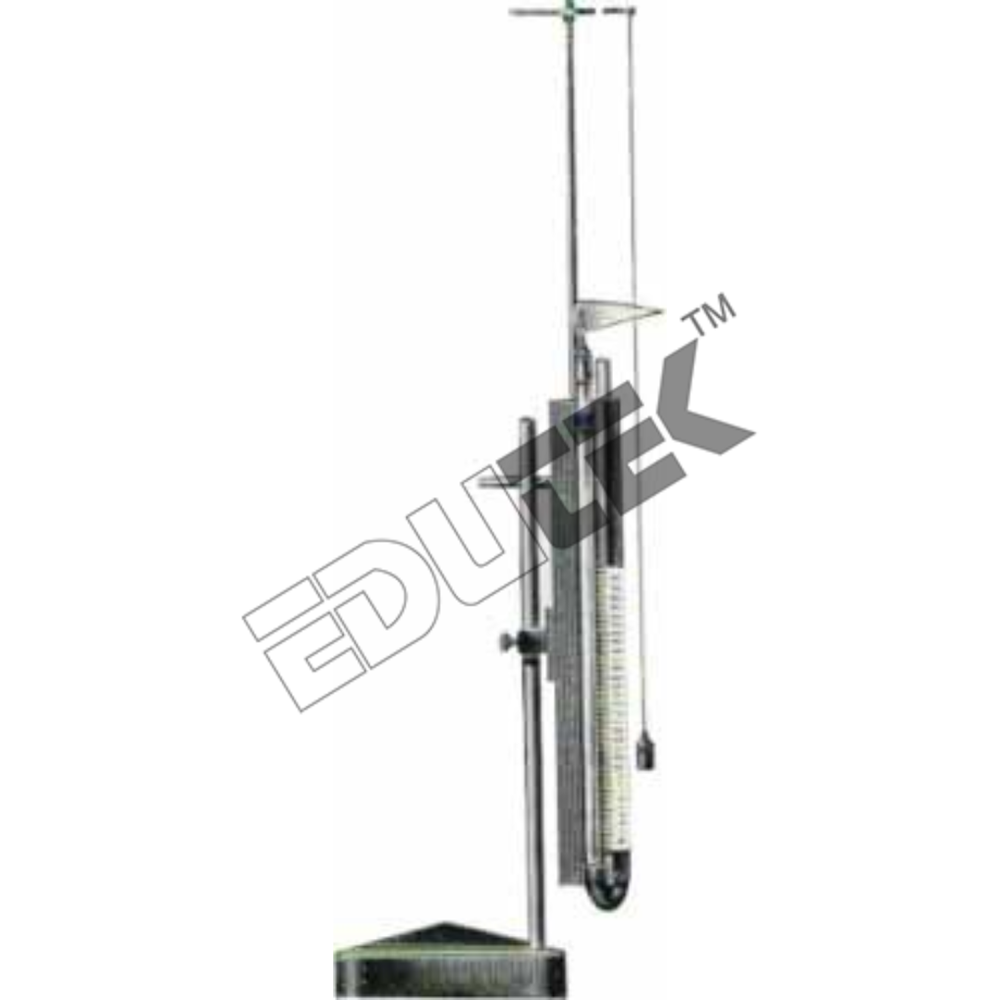
All Manometers are fabricated from true-bore Boro-silicate glass, floats are perfectly lapped to eliminate leakage and are fitted with feather weight
Stainless Steel capillary. Various types of Manometers are:-
Standard Mercury Manometer : Without stopcock, with adjustable scale
Water Manometer ETPL-252
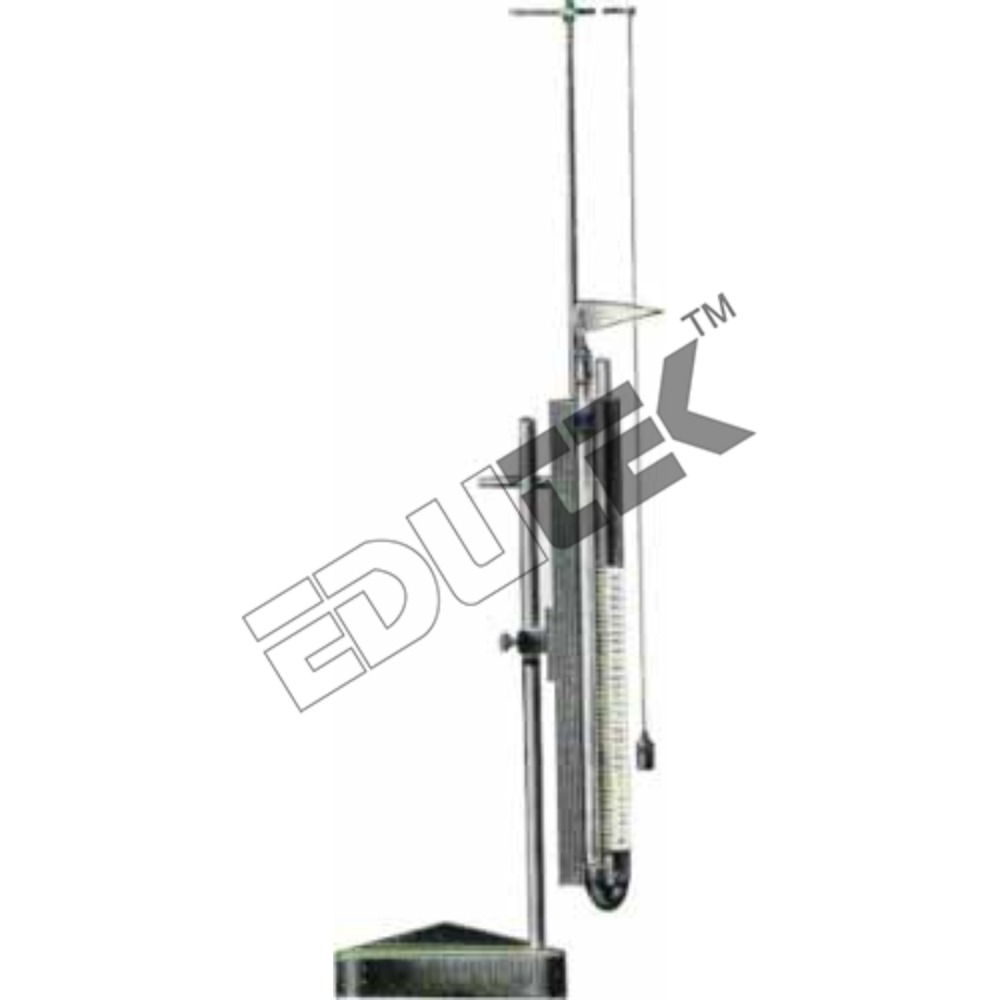
Versatile Pressure Measurement SolutionDesigned for precise monitoring of pressure differentials, this analog manometer suits a variety of environments such as HVAC systems, laboratories, and industrial setups. Its transparent glass tube and clear scale facilitate accurate readings. Easy mounting options enable seamless integration into existing setups.
Reliable Construction and OperationBuilt with durable materials including a glass measuring tube and a sturdy metal or plastic frame, this manometer delivers consistent results without requiring any power. Select models come equipped with zero adjustment for enhanced accuracy, and readings are easily performed with the provided rubber tubing inlet.
FAQs of Manometers:
Q: How is the pressure differential measured using this analog manometer?
A: Pressure differential is measured by observing the height difference between mercury or colored water columns within the transparent glass tube, as indicated on the graduated scale. Manual readings are taken by connecting the manometer to the system using the rubber tubing inlet.
Q: What are the main usage areas for this manometer?
A: This manometer is commonly used for monitoring pressure differentials in HVAC systems, laboratory experiments, and industrial processes where accurate, immediate readings are required.
Q: When should zero adjustment be used on the manometer?
A: Zero adjustment should be performed before each measurement if available on your model, ensuring the manometers reading starts from a precise reference point for maximum accuracy.
Q: Where should the manometer be installed for optimal performance?
A: It is recommended to mount the manometer on a wall or panel in a location free from harsh weather conditions, as it is classified as basic and non-weatherproof. Installation should allow clear visibility of the scale.
Q: What is the process for operating this device manually?
A: Manually operate the manometer by connecting the rubber tubing inlet to the pressure sources. Observe the column height in the glass tube, read the measurement on the graduated scale, taking note of scale divisions or custom graduations provided.
Q: What are the benefits of using a manometer with a transparent tube and manual operation?
A: The transparent tube allows direct, accurate observation, while manual operation means no external power is needed, offering reliability in diverse settings and eliminating electrical hazards.