About Liquid Limit Device
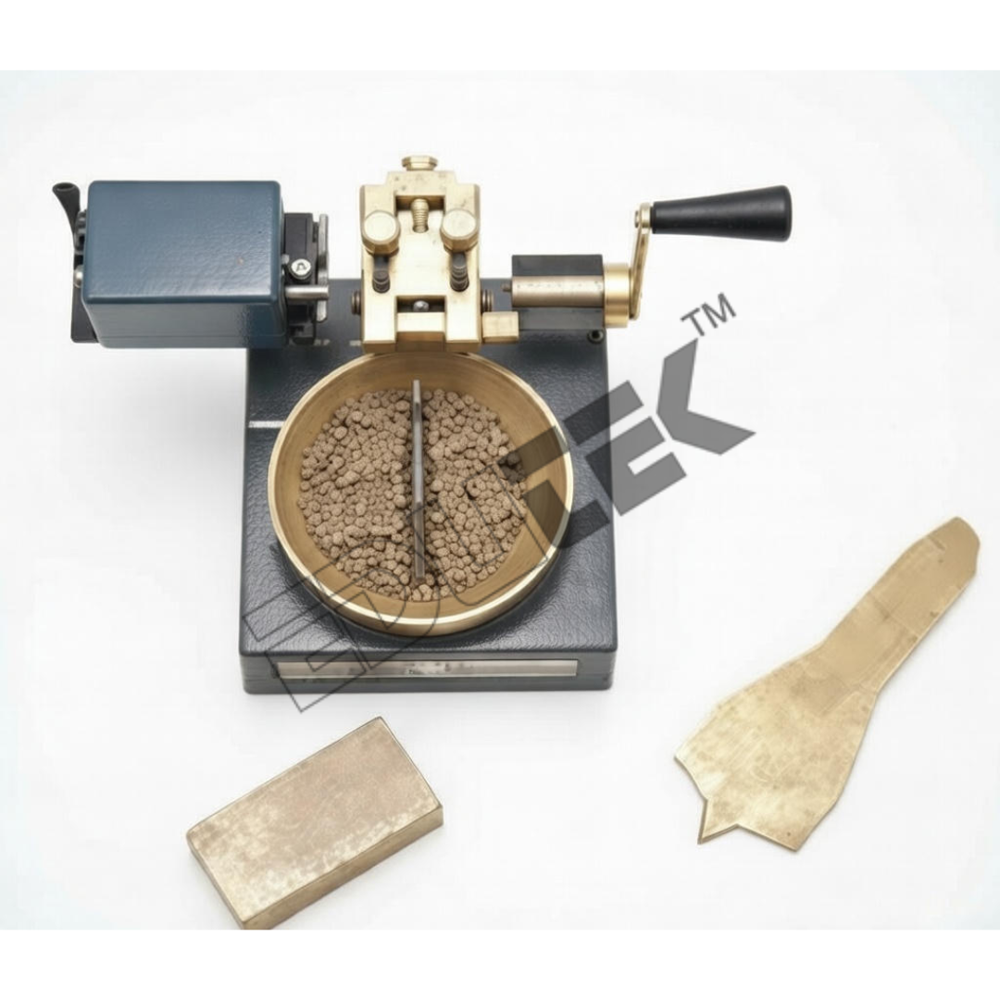
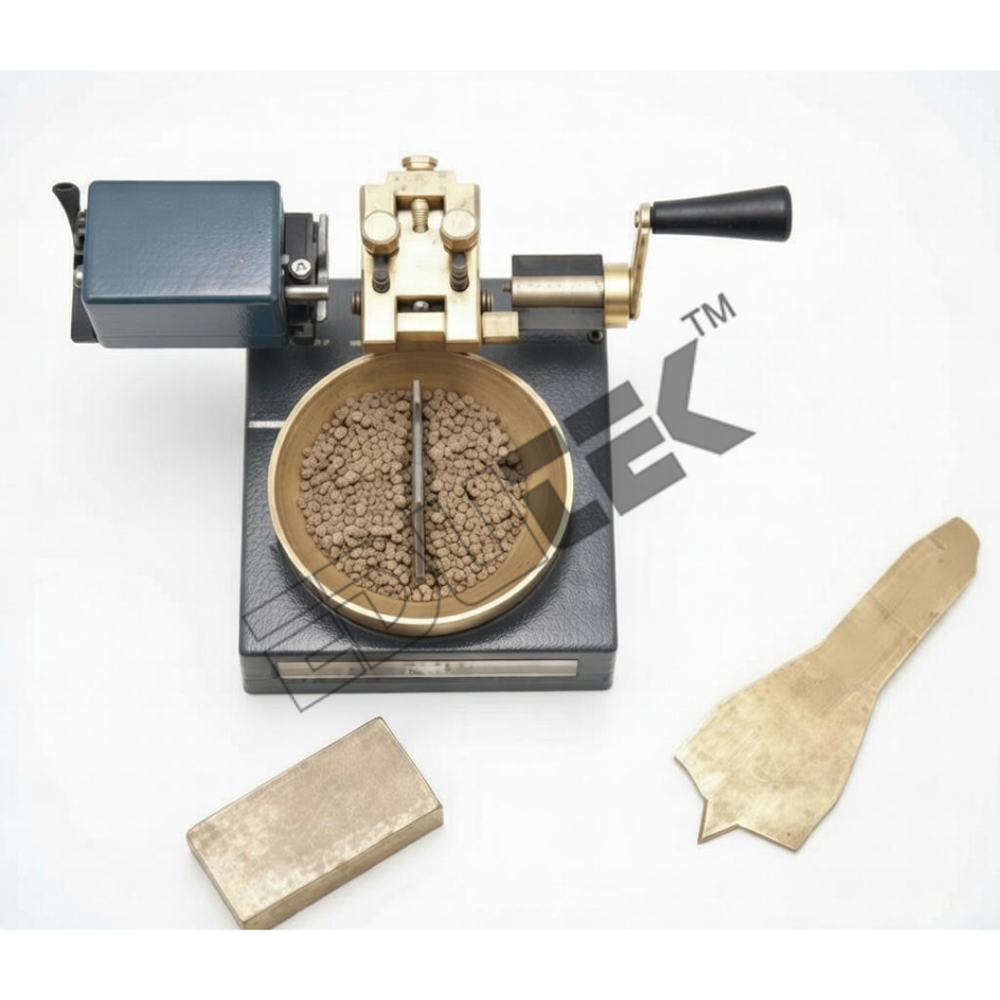
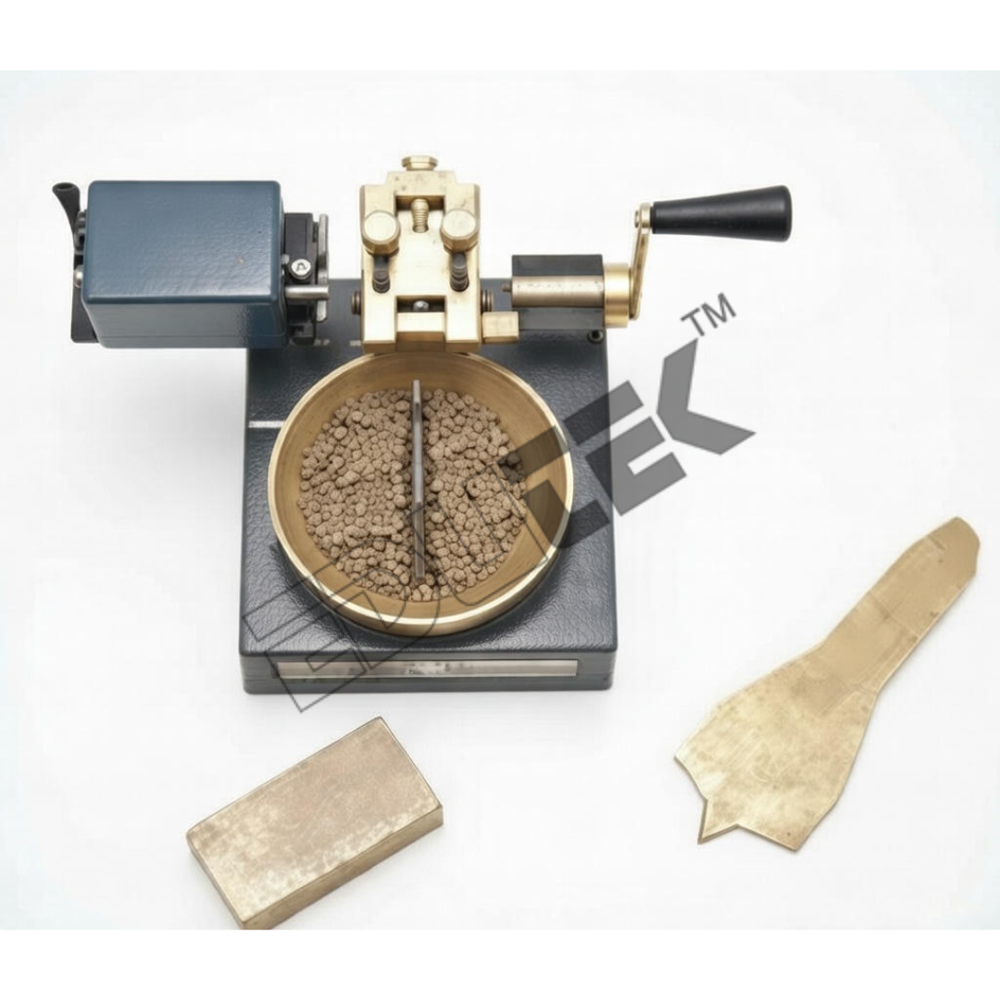
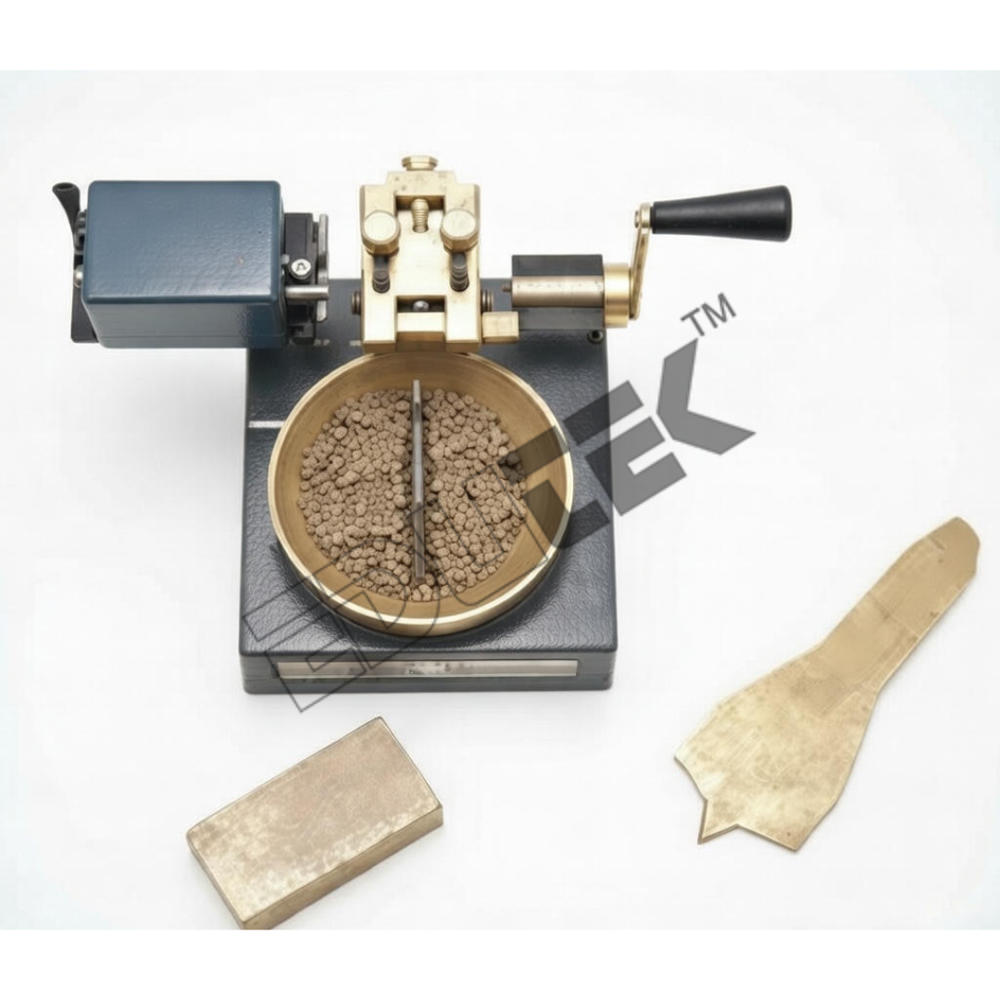
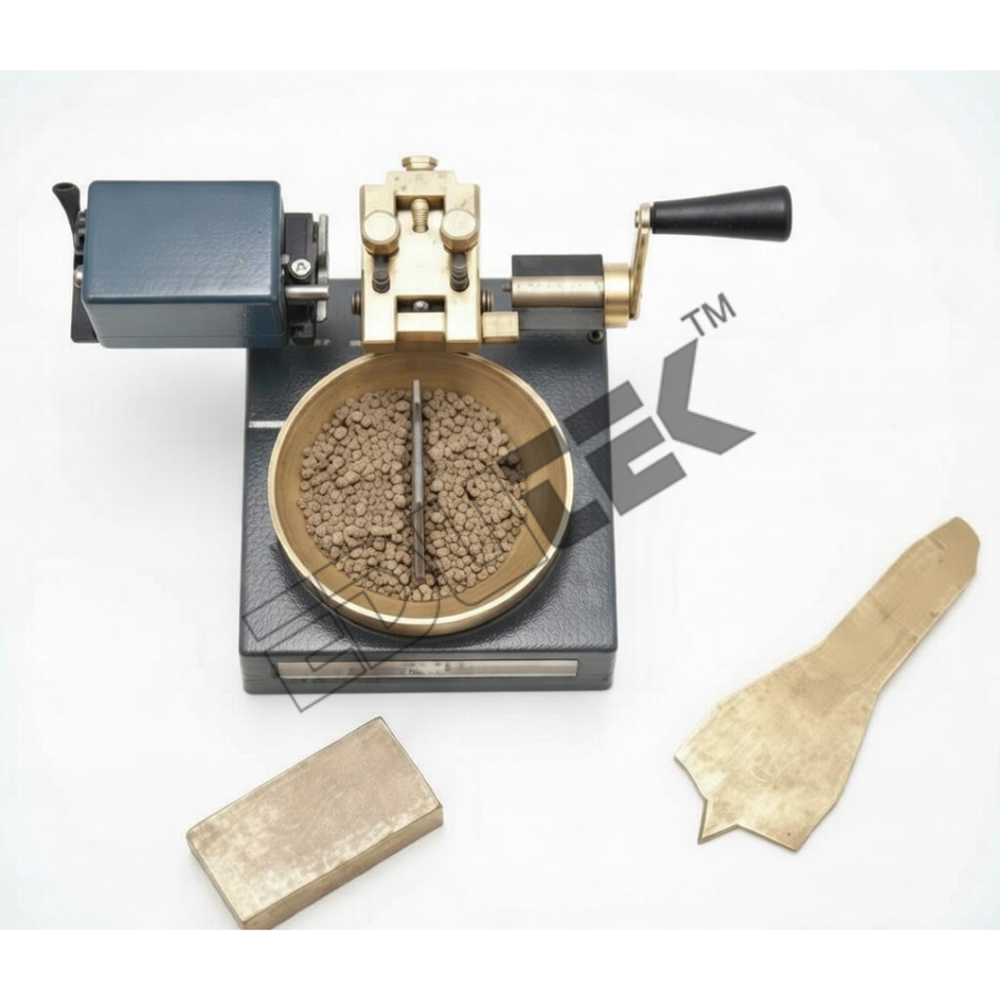
Liquid Limit Device
Liquid Limit Device with Counter
Casagrande method in mechanical form is known as liquid limit method and has been in use for soil mechanics for a number of decades. The liquid limit data of soils is useful to correlate mechanical properties of soil, such as compressibility and lower shear strength. Liquid limit is the water content at which soil passes from zero strength to an infinite strength, hence the true value of liquid limit cannot be determined. For determination purpose liquid limit is that water content at which a part of soil, cut by a groove of standard dimensions, will flow together for a distance of 1.25cm under an impact of 25 blows in a standard liquid limit apparatus. The soil at the water content has some strength which is about 0.17N/cm. sq. (17gms/sq.cm.) . At this water content soil just passes from liquid state to plastic state. It consists on a brass cup held on an adjustable bracket.
The cup can be adjusted for a fall of 1 cm and can be raised an dropped on a rubber base of standard hardness by cam action. Complete with one Casagrande grooving tool, one ASTM grooving tool and a height gauge block.
Precision Engineering for Reliable Soil TestingThe device incorporates a brass bowl, hard rubber base, and a metallic and Bakelite frame for durability. The adjustable drop height mechanism ensures consistent results across various soil types. With a manually operated crank and a resettable mechanical tally counter, it delivers accuracy within 1 drop, helping users meet rigorous testing protocols for geotechnical analysis.
Optimized for Laboratory Use and PortabilityWeighing approximately 3 kg, and featuring a compact design (20 cm x 16 cm x 11 cm), the Casagrande Liquid Limit Device is easy to transport and set up. Its corrosion-resistant coating and replaceable parts enhance longevity, making it suitable for repeated professional use in diverse environmental conditions encountered in soil mechanics laboratories.
FAQs of Liquid Limit Device:
Q: How is the Casagrande Liquid Limit Device used in geotechnical laboratories?
A: This device is used to determine the liquid limit of soil by repeatedly dropping a brass bowl filled with soil at a controlled height, then measuring the number of drops required to close a standard groove. The counter mechanism helps track the number of drops for accurate results in laboratory settings.
Q: What benefits does the adjustable drop height feature provide?
A: The adjustable drop height (10 mm 0.2 mm) allows precise setting according to standard protocols, ensuring repeatable and reliable results when testing different soil samples, thereby aiding in standardized soil classification.
Q: When should I reset the mechanical tally counter during testing?
A: The mechanical tally counter should be reset before each new test run to ensure accurate drop count measurements for every soil sample evaluated. The resettable feature streamlines operation and reduces the chance of counting errors.
Q: Where can this liquid limit device be used effectively?
A: The device is ideal for use in geotechnical laboratories, academic research institutions, quality control departments, and field locations requiring portable, manual equipment for soil mechanics analysis.
Q: What is the typical process for performing a test with this equipment?
A: First, place the soil sample in the brass bowl and create a groove. Using the hand-operated crank, drop the bowl repeatedly at the set height, counting the drops to determine when the groove closes. The result helps identify the soils liquid limit as required by IS, ASTM, or BS standards.
Q: What advantage does the corrosion-resistant finish offer?
A: The corrosion-resistant coating protects the device from environmental wear, particularly in laboratories handling diverse or potentially corrosive soil samples. This ensures the instrument remains durable and maintains its accuracy over prolonged use.
Q: Can the Casagrande Liquid Limit Device be used for all types of soil samples?
A: Yes, the devices measurement range accommodates all standard soil samples, making it versatile for routine tests across various soil types as specified by international standards.






 Send Inquiry
 Send Inquiry

