About Linear Air Track
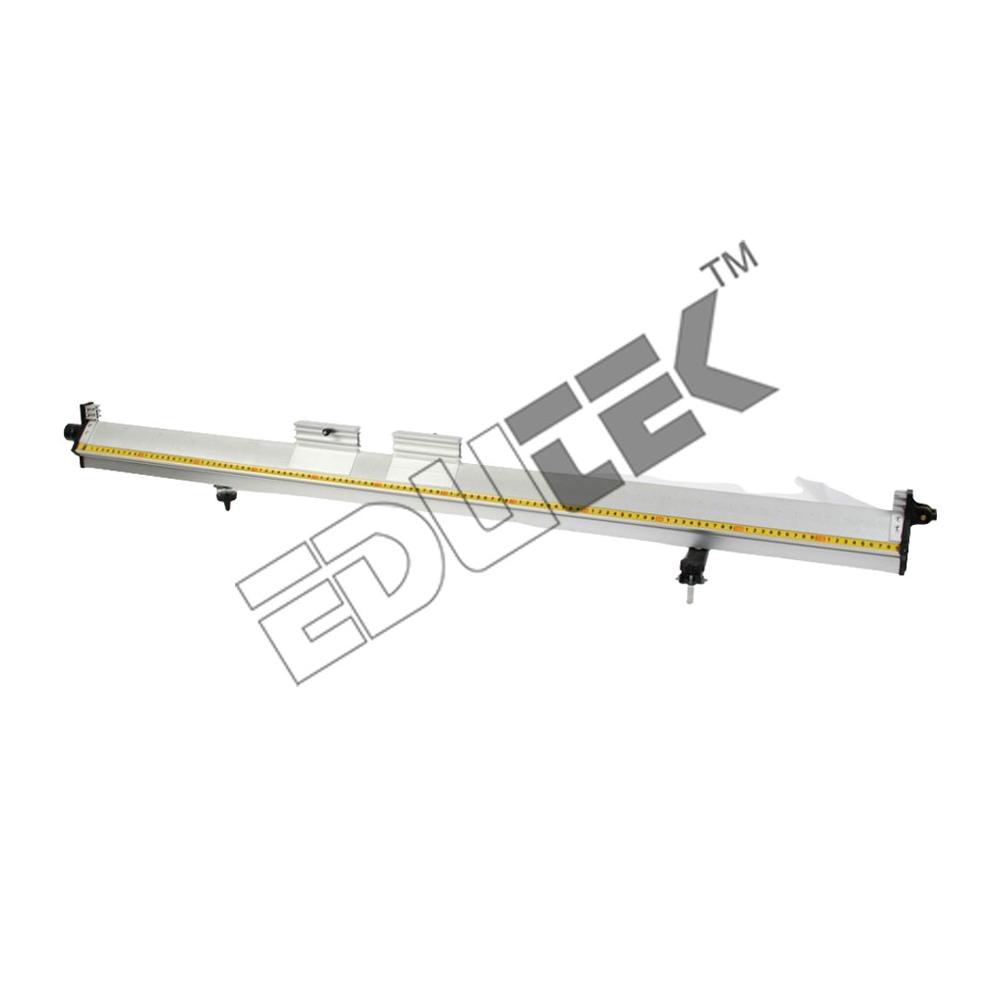
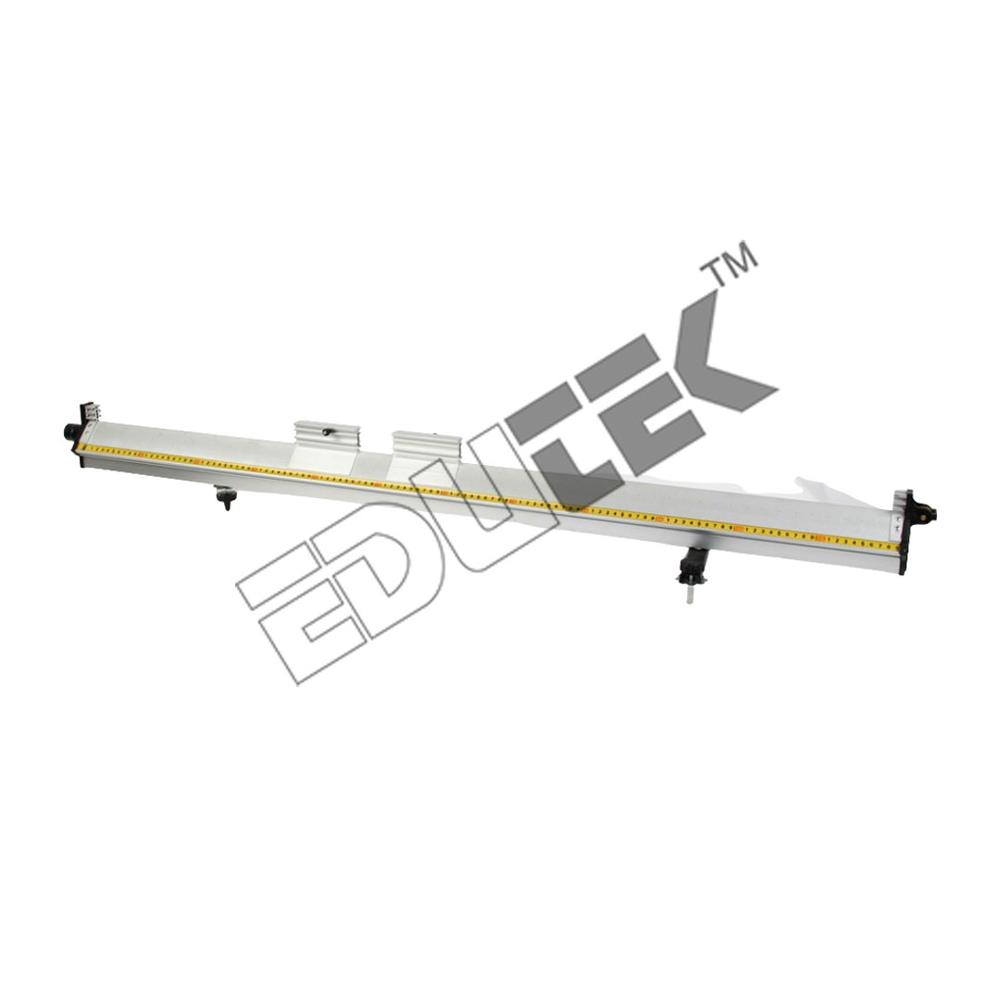
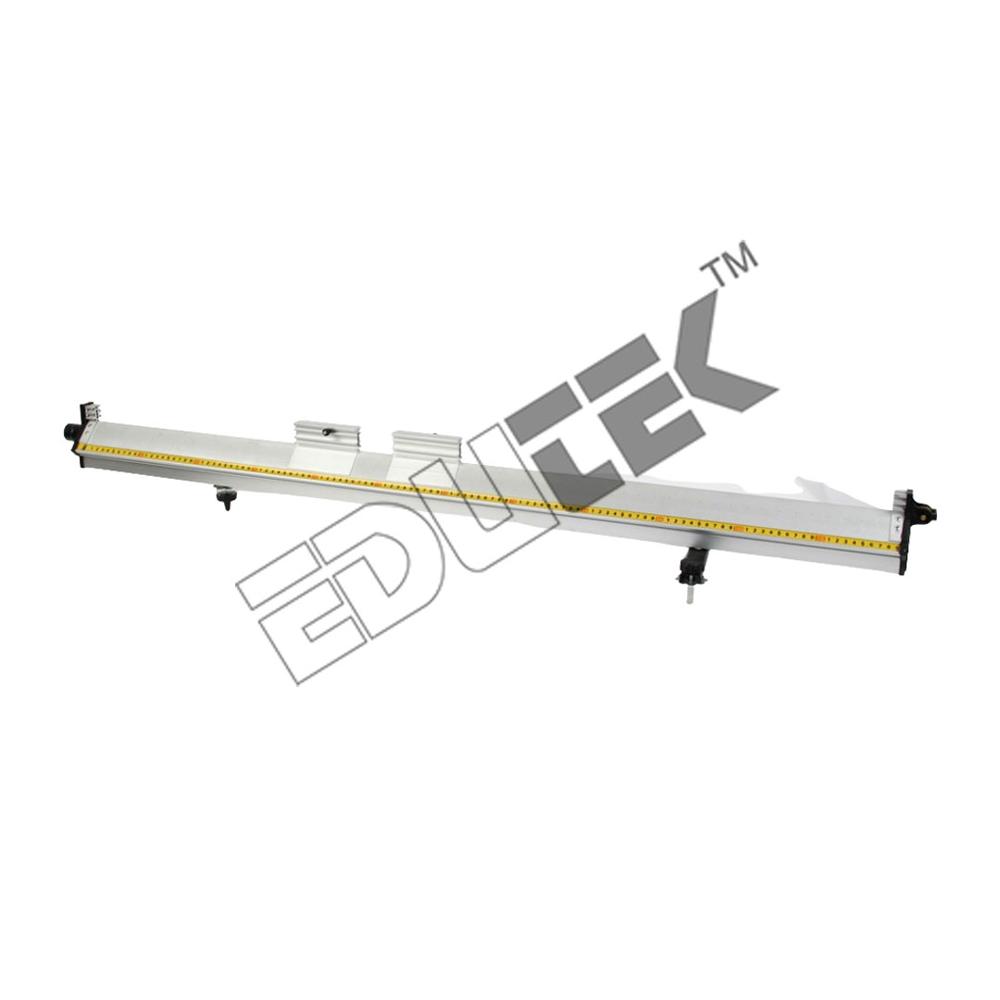
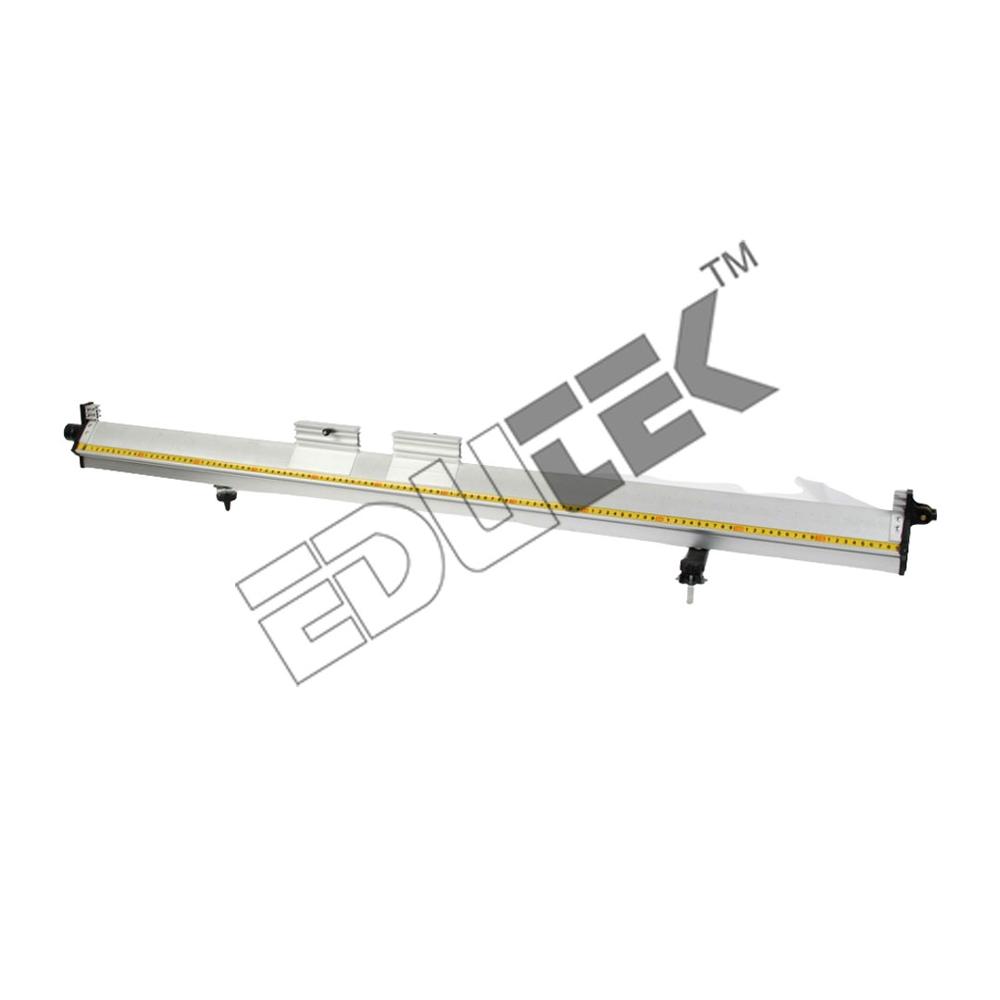
Linear Air Track For Physics Lab
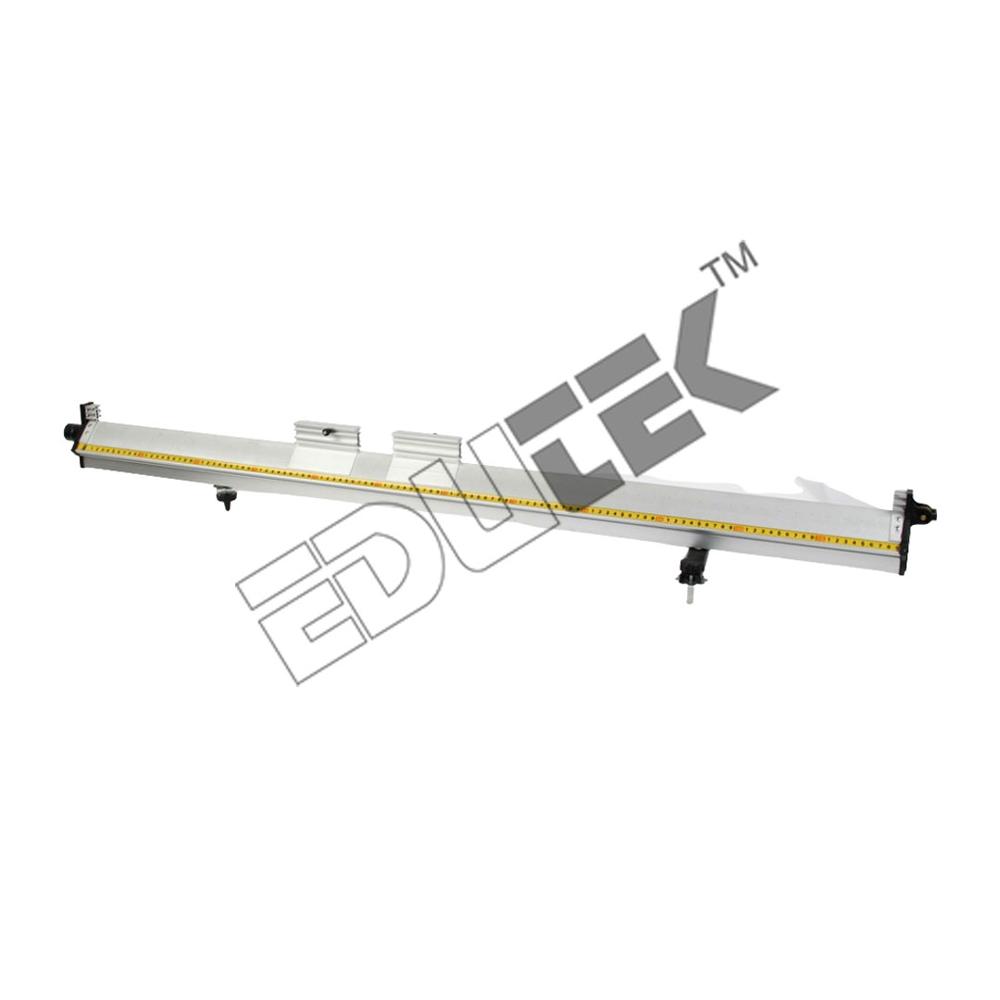
The Linear Air Track is designed for the study of linear motion under practically frictionless conditions. It is used in experiments and demonstrations of topics such as: Newtons Law, kinetic and potential energy, collisions, oscillatory motion, velocity, acceleration, conservation of momentum, motion on an inclined plane, conservation of mechanical energy, simple harmonic motion.
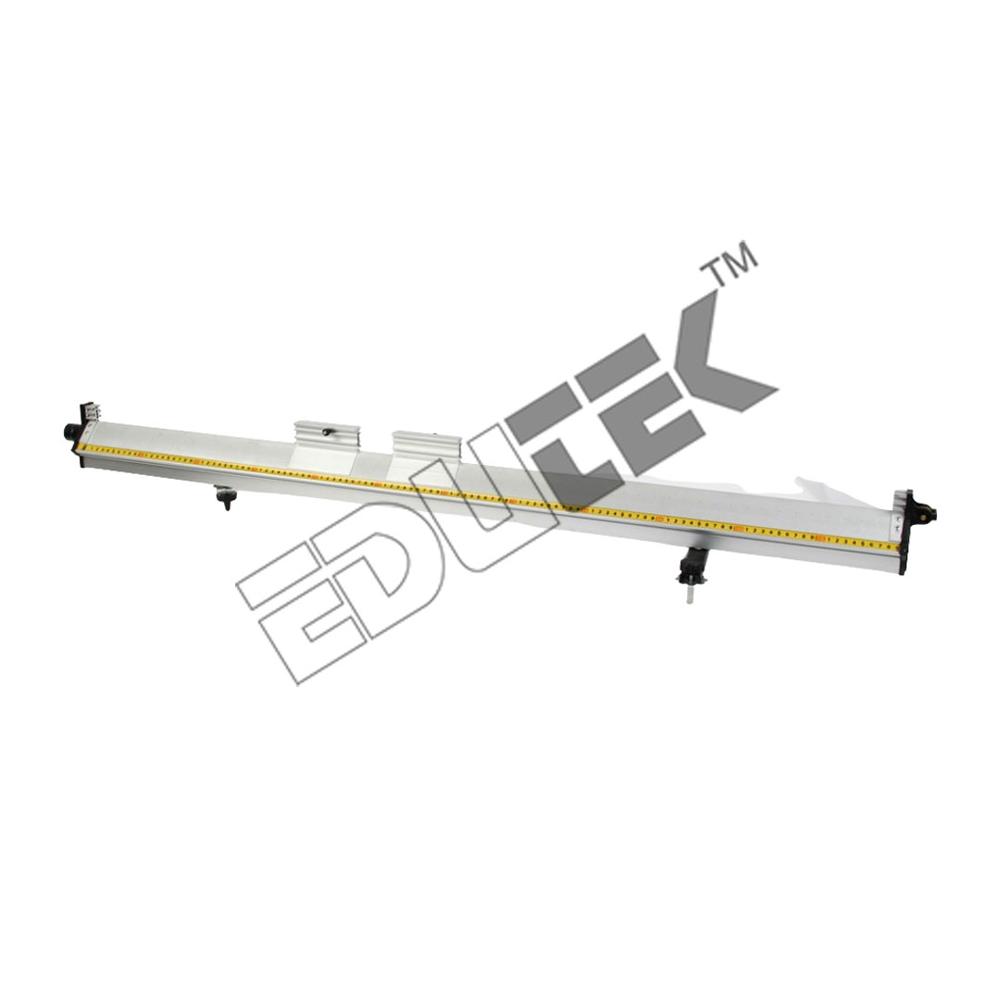
It is constructed from an extruded aluminium-alloy section, 2.25m long with equally spaced air holes. Two adjustable feet facilitate simple levelling. Two rows of fine holes provided on each side all along the length of the track through which jets of the air emanate to form air cushion on which the vehicles float under virtually frictionless conditions.
Linear Air Track is supplied complete with following accessories:
- 2 large vehicles (mass 400g, length 215mm)
- 1 small vehicle (mass 200g, length 100mm)
- 2 magnetic buffers (25mm diameter)
- 2 Plasticine holders (20mm diameter) with central hole
- 4 catapults (45mm wide) with slot for elastic band
- 3 steel buffers with central hole
- 4 elastic cords (220mm long) with plastic rings
- 1 reel of nylon thread
- 2 white plastic rods (4mm diameter 150mm long) for stroboscope photography
- 24 needles for use with steel buffer
- 20 white plain cards for interrupting light beams
- 1 reel rubber stand
- 1 pack of Plasticine
Maximize Accuracy in Physics ExperimentsThe Linear Air Track allows for accurate investigation of linear motion and collisions, thanks to its low-friction surface and well-calibrated accessories. With minimal external interference, students and researchers can explore complex concepts in mechanics, ensuring consistent and repeatable results in every experiment.
Comprehensive Accessory Kit for VersatilitySupplied with a wide array of componentsvarious vehicles, buffers, catapults, elastic cords, and morethe Linear Air Track supports a broad range of experiments. Whether demonstrating elastic collisions, momentum conservation, or motion analysis, the accessories enable flexibility for teaching and research needs.
Trusted Manufacturing and Reliable SupportAs a product from a reputed manufacturer, exporter, and supplier in India, the Linear Air Track offers quality assurance backed by a one-year warranty. With robust construction and reliable customer service, users can invest confidently in advanced physics education and research.
FAQs of Linear Air Track:
Q: How does the Linear Air Track ensure accurate experimental results?
A: The Linear Air Track utilizes a stream of air to create a nearly frictionless environment, allowing vehicles to move smoothly. This feature, combined with precisely machined accessories, ensures 100% accuracy in measurements and experimental outcomes.
Q: What accessories are included with the Linear Air Track kit?
A: The kit provides two large vehicles, one small vehicle, magnetic and steel buffers, plasticine holders, catapults, elastic cords, a nylon thread reel, rods for stroboscope photography, needles, plain cards, a rubber stand, and a pack of Plasticine.
Q: Where is the Linear Air Track commonly used?
A: This apparatus is most often found in educational laboratories, universities, and research settings where physics experiments related to mechanics and motion are conducted.
Q: When should I use the stroboscope photography rods included in the kit?
A: The white plastic rods are designed for use with stroboscope photography to track and analyze the precise movement of vehicles during experiments, particularly in velocity and acceleration studies.
Q: What is the benefit of having different types of vehicles and buffers?
A: Having both large and small vehicles, along with magnetic and steel buffers, allows for a variety of collision and momentum experiments. This helps illustrate different principles such as elastic and inelastic collisions, thus broadening the scope of learning.
Q: How do I maintain the Linear Air Track for optimal performance?
A: To ensure long-lasting accuracy, keep the track clean, check accessories regularly for wear, and store components properly after each use. Adhering to the manufacturers care instructions helps maintain 100% accuracy in every experiment.




 Send Inquiry
 Send Inquiry

