About Insect Pin
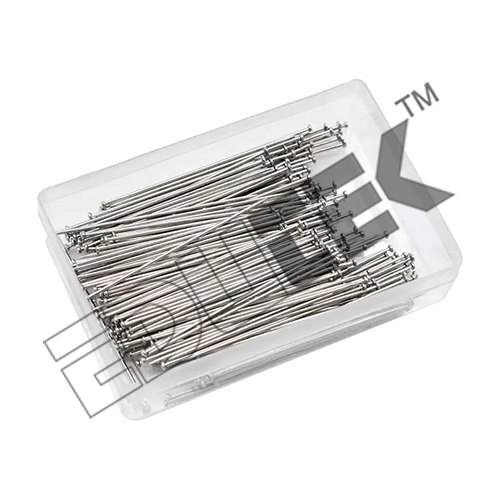
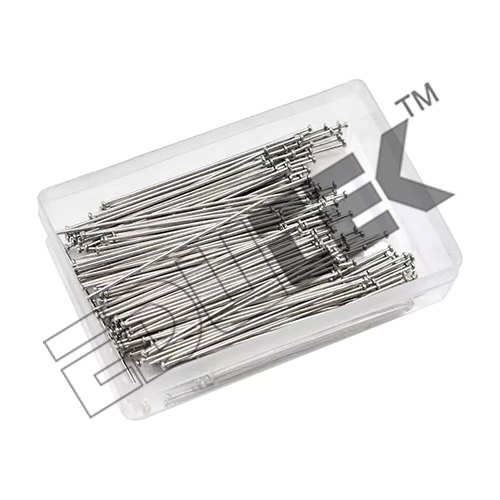
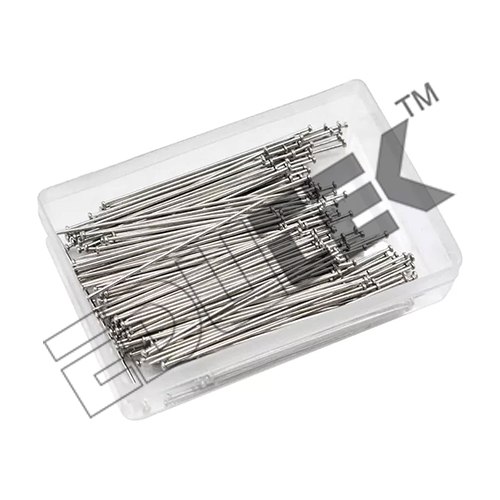
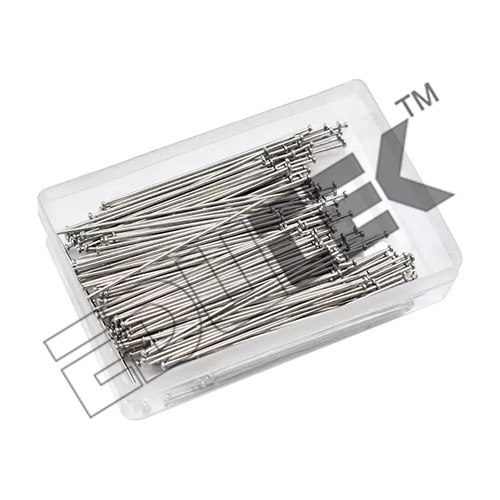
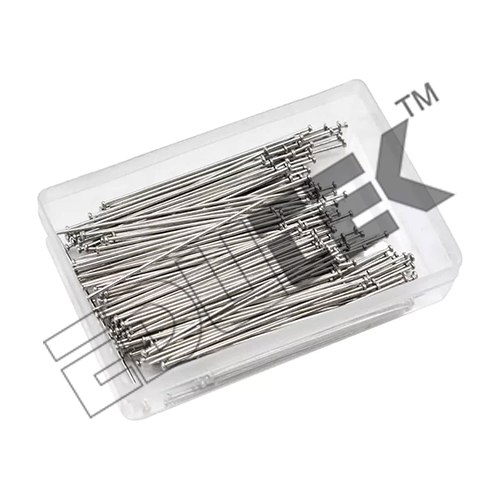
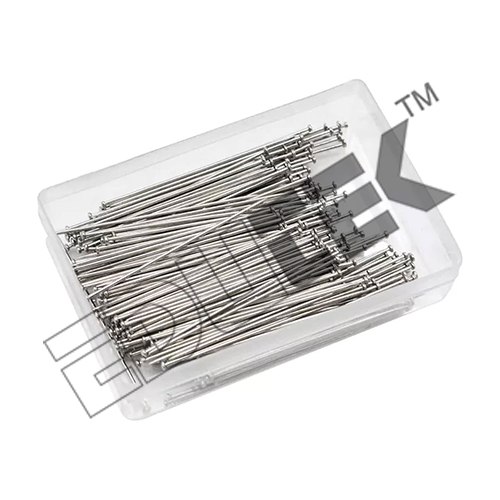
INSECT PIN - Are fabricated from spring steel with black enamel finish for antirust protection.
- Heads are nylon. Length is approximately 39mm.
- Pin diameters start at .25m/.010
- Increase in diameter by +.05mm/.002.
- The most commonly used sizes for general pinning are #2(.45mm/.018) and #3 (.50mm/.020).
- Packaged in lots of 1000.
Precision Engineering for EntomologyThese insect pins are meticulously manufactured using premium stainless steel, ensuring smooth surfaces and sharp points crucial for precise pinning. The black enamel and polished stainless steel options cater to diverse display preferences while maintaining robust corrosion resistance, essential for long-term use in laboratories and museums. The pins polished finish and fine shaft guarantee easy penetration and minimal specimen damage, making them ideal for both research and educational collection work.
Wide Range of Sizes and ApplicationsAvailable in standard sizes from #0 to #7, our insect pins accommodate various specimen types and display needs. Their versatility supports not only professional entomologists but also educators and museum curators. Each pin is lightweight yet durable, enhancing usability in detailed biological studies, specimen sorting, and long-term display projects. The manual process and consistent quality make them the preferred choice for pinning insects for both study and exhibition.
FAQs of Insect Pin:
Q: How should these insect pins be used in laboratories or museums?
A: Insect pins are carefully inserted through the thorax of insect specimens, securing them in a display or storage position. Their smooth, sharp shafts minimize tissue damage, which is important for both detailed study and preservation in collections.
Q: What makes these pins suitable for biological and educational purposes?
A: The combination of high corrosion resistance, fine shafts, and sharp tips ensures specimens remain intact over time. Their precision design supports meticulous work in biology laboratories, educational settings, and museum displays.
Q: When is it appropriate to use black enamel versus plain stainless steel pins?
A: Black enamel pins are often preferred for display purposes due to their non-reflective finish, while plain stainless steel pins might be chosen for general laboratory use or long-term storage, depending on user preference and application requirements.
Q: Where are these insect pins commonly applied?
A: They are widely used in biology laboratories, museums, entomology research centers, and educational institutions for pinning, studying, and displaying preserved insect specimens.
Q: What are the benefits of the high corrosion resistance feature?
A: High corrosion resistance ensures the pins remain rust-free, safeguarding delicate insect specimens from contamination or deterioration and maintaining the integrity of collections for extended periods.
Q: How do the different size options benefit users?
A: With standard sizes (#0#7), users can select pins appropriate for various specimen sizes and thicknesses, enhancing flexibility and precision in sample preparation and display.








 Send Inquiry
 Send Inquiry

