About Human Skin
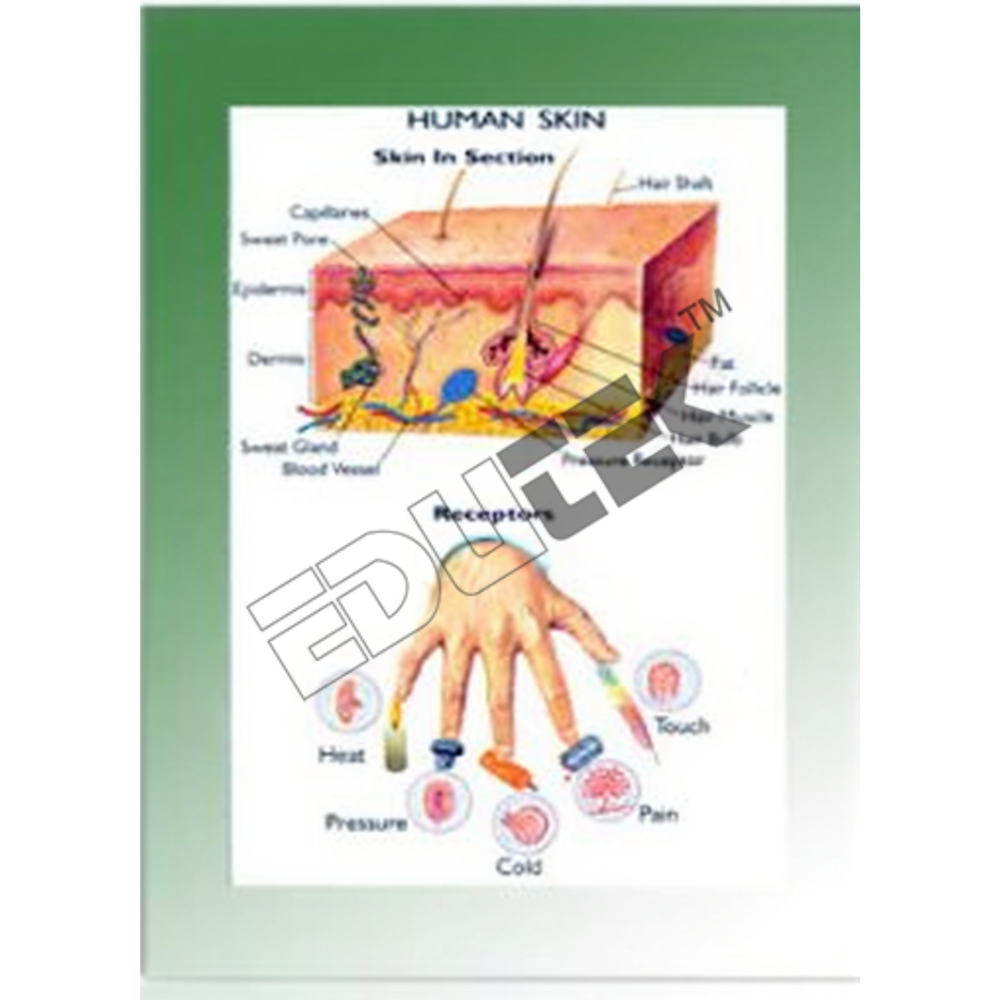
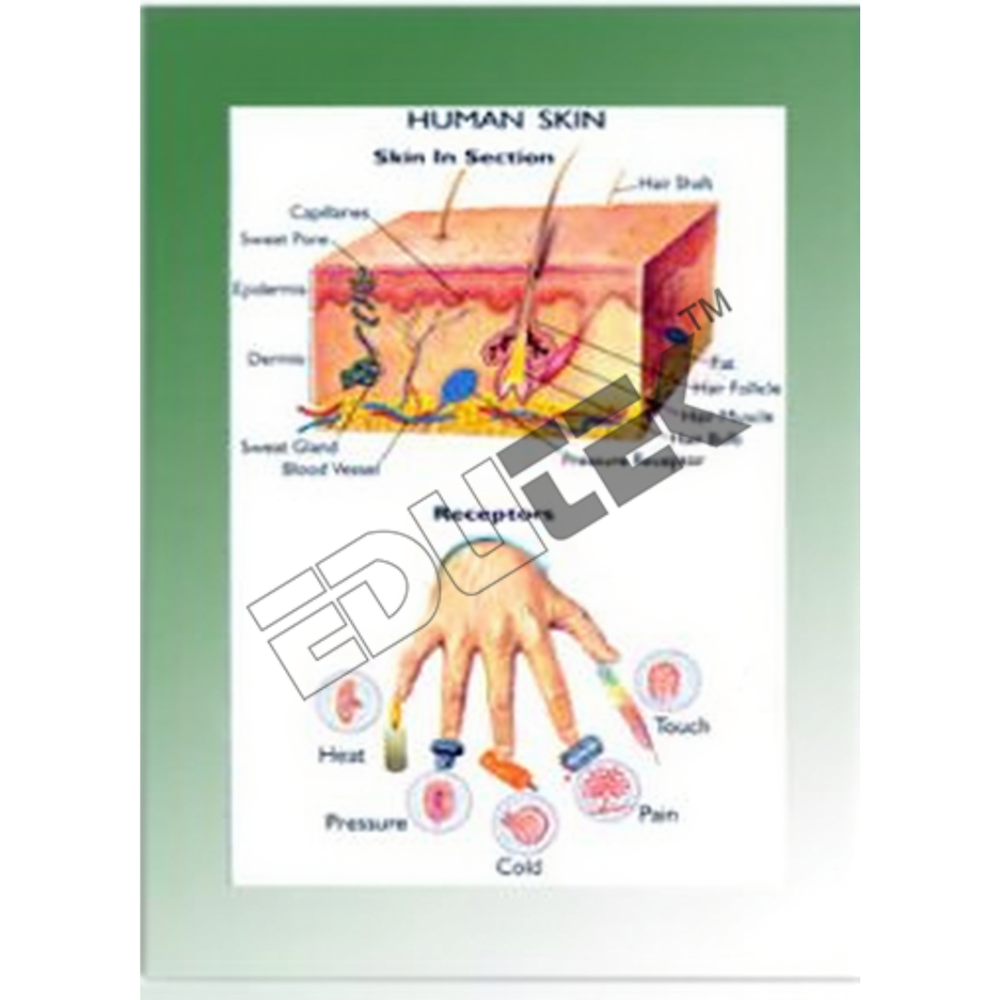
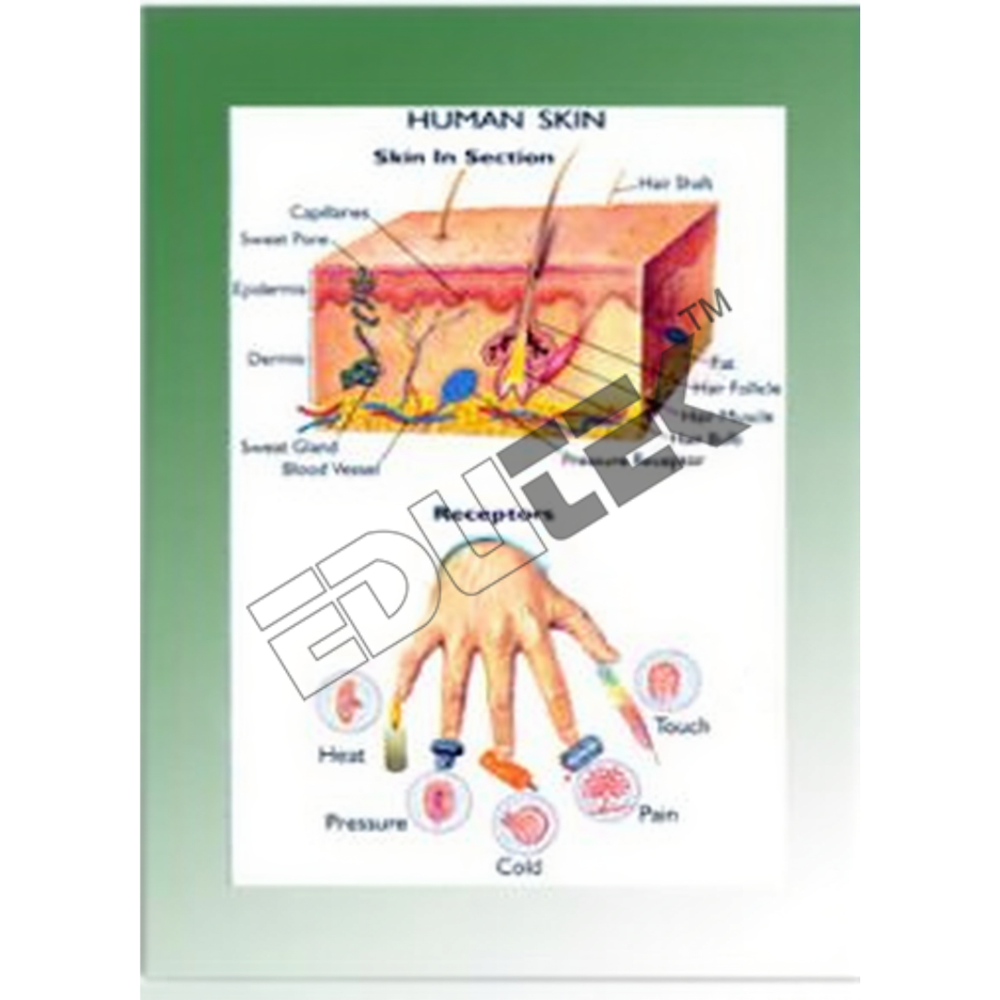
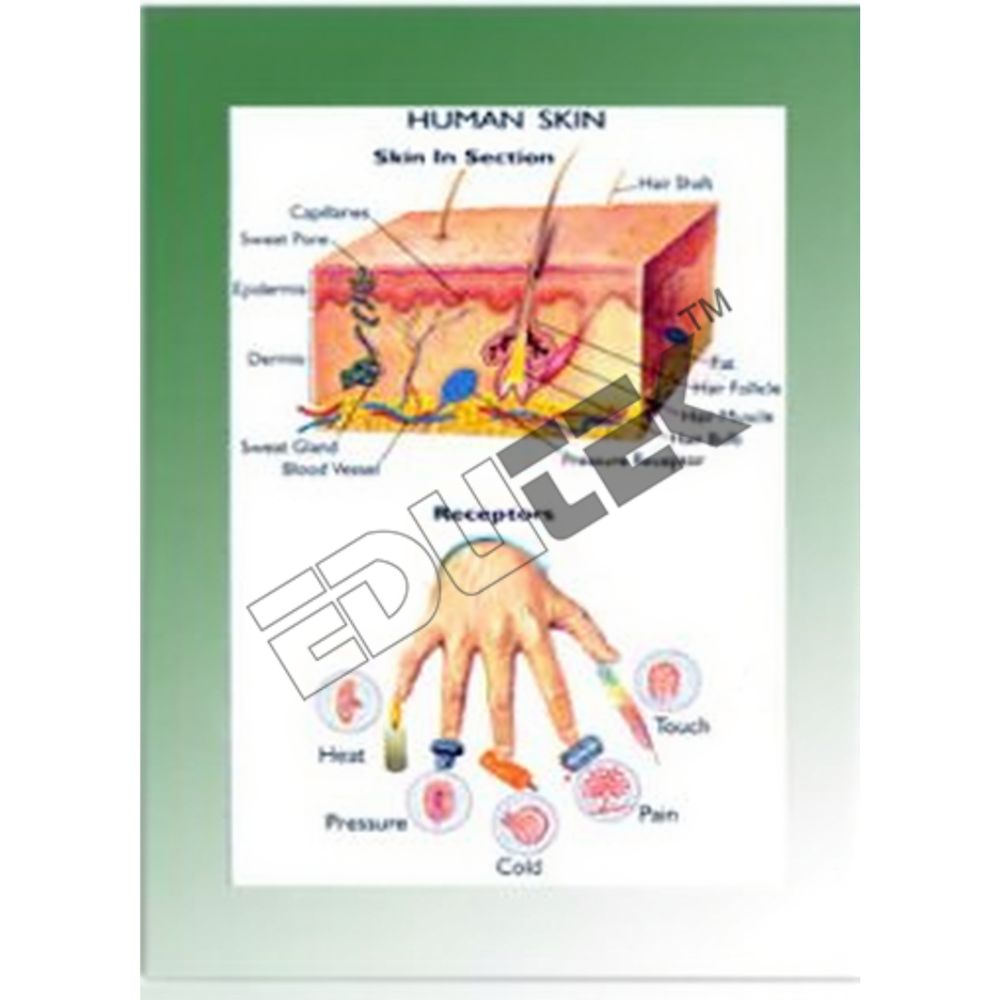
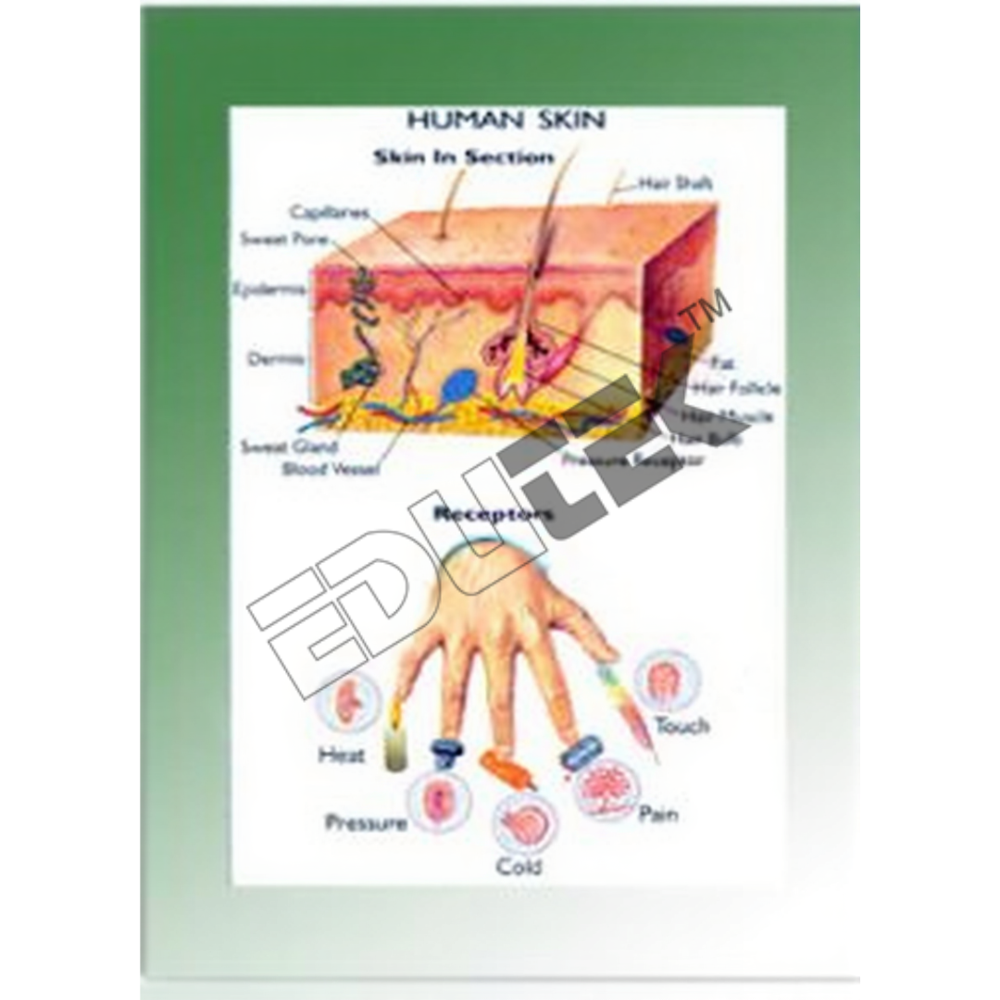
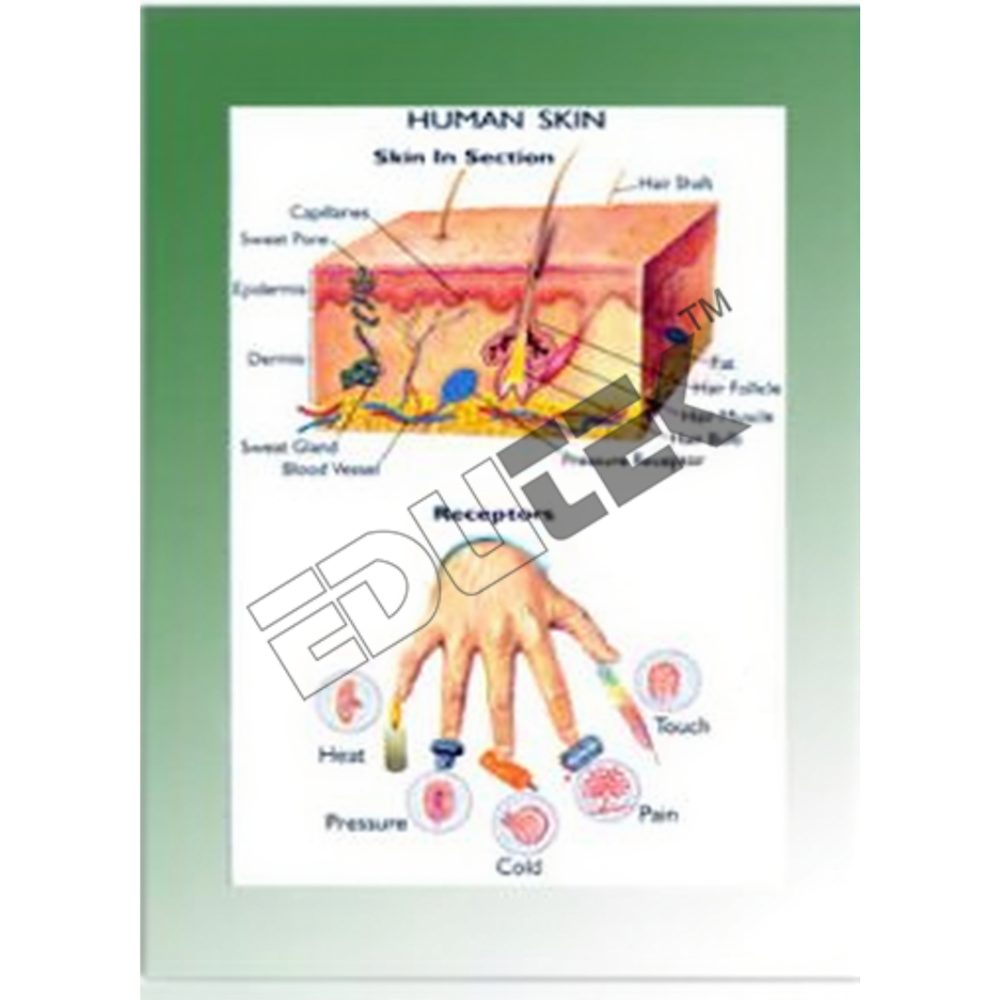
Explore the crowning marvel of anatomical science with our Human Skin Layer Specimens, a laureate choice for medical education and research. Favored for its biological accuracy and high biocompatibility, this sensational specimen reveals the intricate structures of epidermis, dermis, and hypodermis. Its microporous architecture facilitates real-time sensation and exchange, while natural UV resistance and regenerative potential highlight its protective functions. Get it now, packaged sterile and vacuum-sealed, ideal for clinical training, pathology diagnostics, and reconstructive surgery practice. Favorable reviews underline its reliability and versatility.
Distinctive Structure & Versatile Applications
Human Skin showcases a sensationally layered architectureepidermis, dermis, and hypodermiscrafted by nature to act as an elastic, regenerable, and protective barrier. The materials microporosity ensures excellent sensation and permeability, while its innate immune components provide antimicrobial defense. Its laureate features support various applications, such as educational demonstrations, pathological investigations, disease diagnostics, and hands-on training for reconstructive surgery, making it a crowning specimen in clinical studies.
Certifications, Market Reach & Speedy Delivery
Our human skin specimens undergo rigorous certification and valuation, aligning with domestic and international quality standards. Serving the main domestic market throughout India, we guarantee express shipping and reliable delivery. Preservation and preparation are meticulously documented for each shipment, ensuring traceability and compliance. Delivery times are prompt, tailored to client needs for urgent educational, research, or clinical requirements, underscoring our commitment to professionalism and expedience.
FAQs of Human Skin :
Q: How should human skin specimens be stored to maintain their quality?
A: Human skin specimens should be stored refrigerated (2C to 8C) or frozen (-20C or below), depending on format. Optimal humidity (40-60%) and avoidance of direct sunlight help maintain biological accuracy and longevity.
Q: What is the typical shelf life of preserved human skin samples?
A: Shelf life ranges from 1 to 10 years, depending on preservation techniques and storage conditions. Proper sterilization and packaging extend usability, ensuring samples remain suitable for research or education.
Q: When is the best time to use human skin specimens in medical training?
A: Human skin specimens are ideal for use during anatomical studies, pathology demonstrations, or clinical training sessions, offering realistic, hands-on experience to students and practitioners.
Q: Where are these human skin specimens commonly applied?
A: These specimens are predominantly used in medical research institutions, teaching hospitals, universities, and clinical simulation centers for anatomical study, disease diagnostics, and reconstructive surgery practice.
Q: What are the benefits of using human skin specimens compared to synthetic models?
A: Human skin specimens provide unparalleled biological accuracy, including texture, sensory properties, and regenerative response, which synthetic models cannot fully replicate, resulting in superior educational and diagnostic outcomes.
Q: How is the sterilization process conducted for these specimens?
A: Specimens undergo gamma irradiation, chemical sterilants, or autoclaving to ensure safety and eliminate potential contaminants prior to packaging and delivery.





 Send Inquiry
 Send Inquiry

