About Heavy Compaction Test Equipment
Heavy Compaction Test
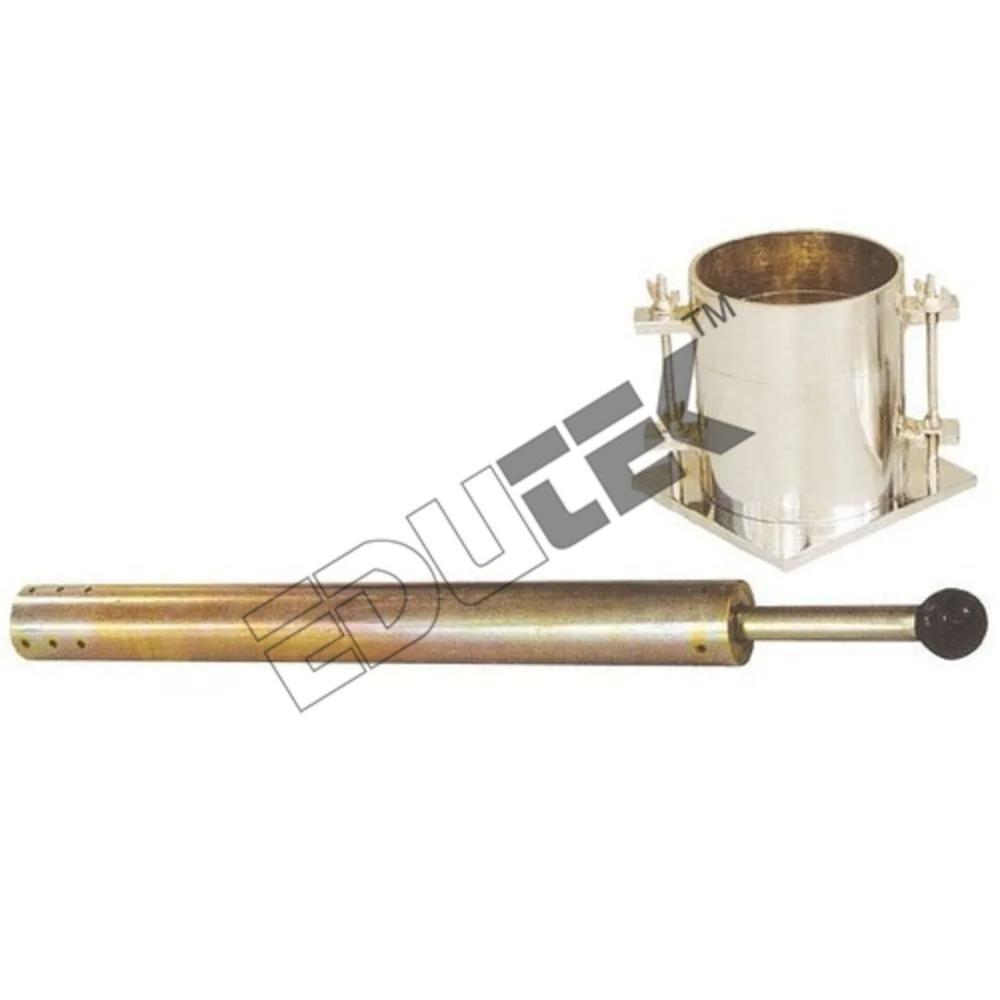
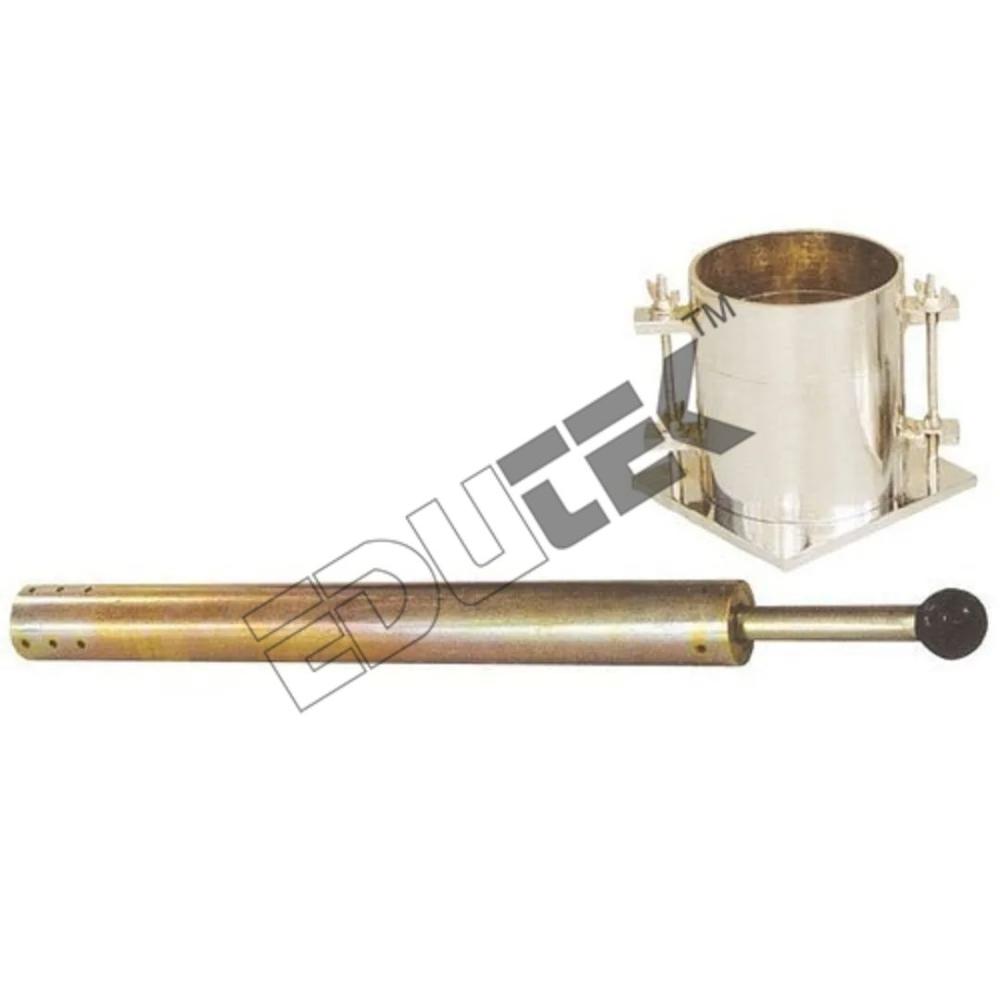
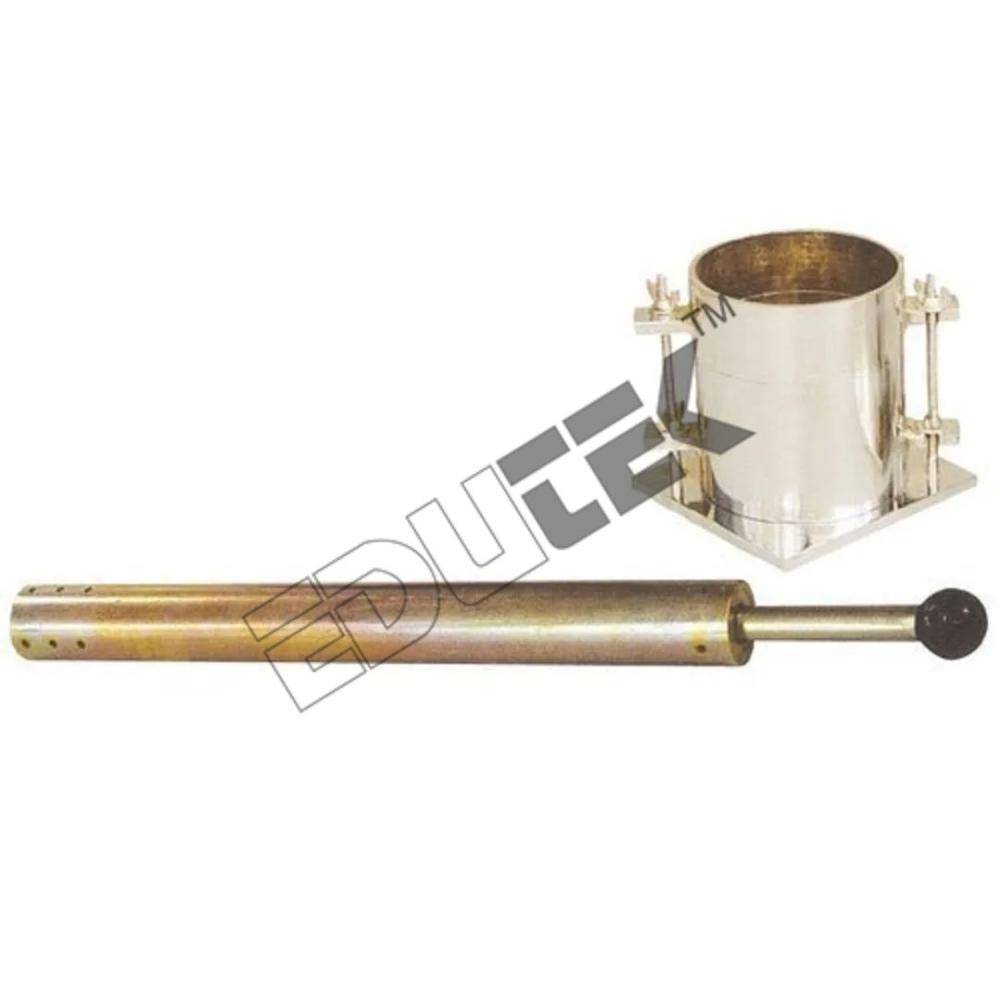
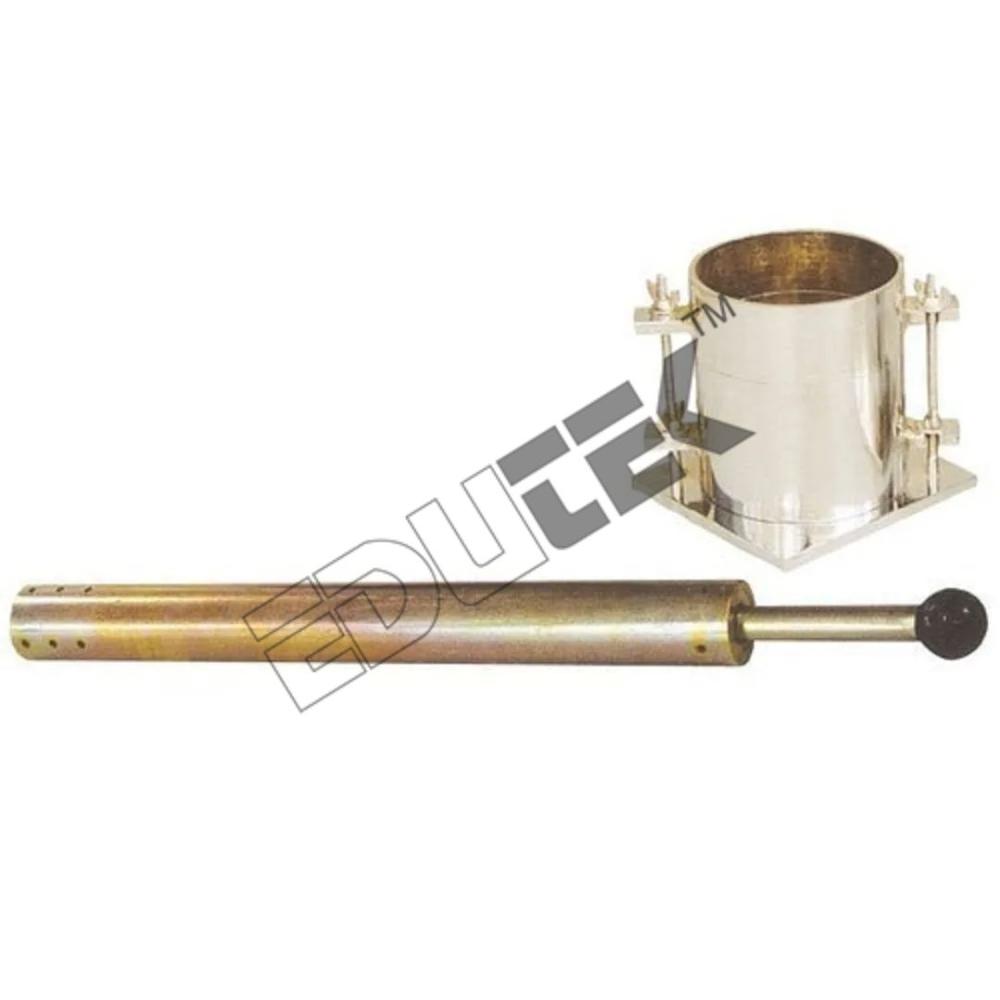
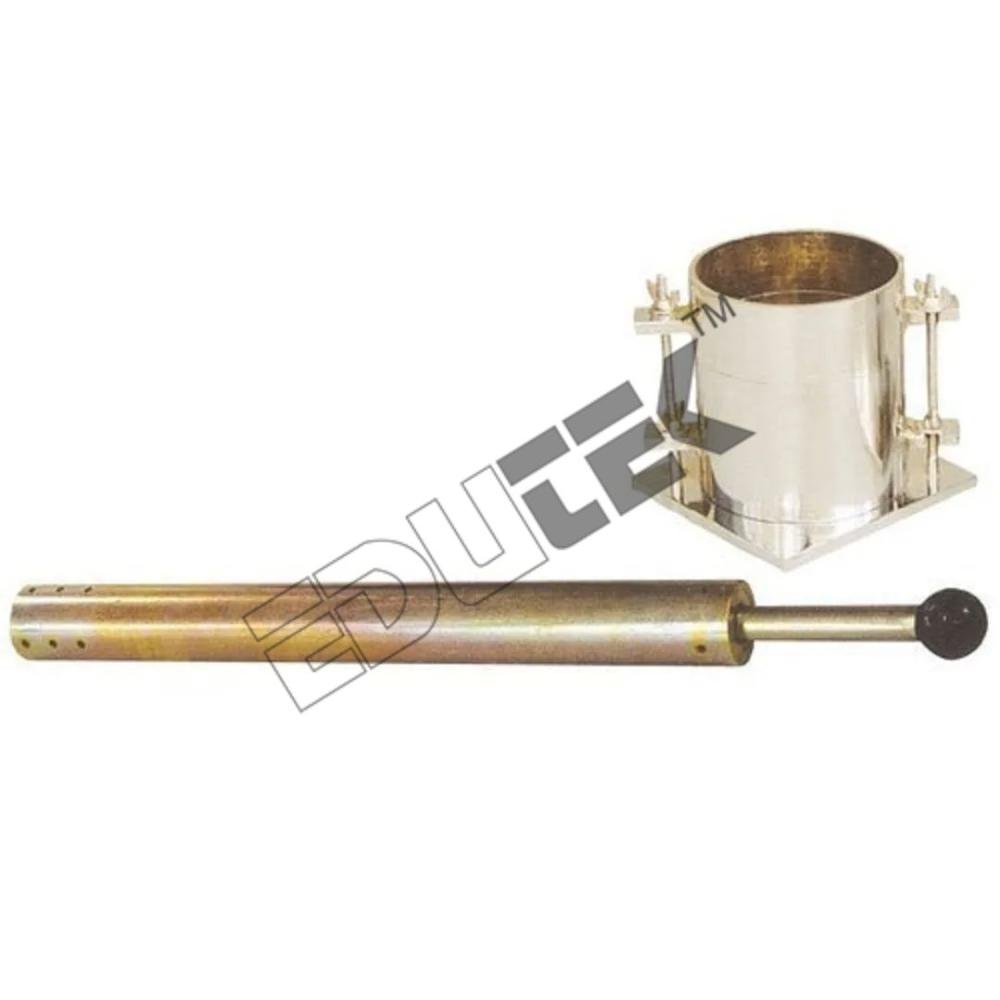
Instrument consists one each of compaction mould steel 150 mm I.D. x 127.3mm height volume 2250cc. Complete with collar and base plate Compaction Rammer is 4.89 kgs. in weight x 450 mm controlled fall.
NOTE : Instead of steel moulds, gunmetal mould are also available.
Robust Design and Standards ComplianceDesigned with an anti-corrosive coating and built from mild and stainless steel, this heavy compaction test equipment meets international standards IS 2720 (Part 8) and ASTM D1557. Its superior durability and resistance to corrosion make it ideal for use in a variety of indoor laboratory and outdoor field conditions.
Accurate Soil Compaction TestingThe equipment utilizes a 4.5 kg hammer with a precise drop height of 450 mm and a reliable mechanical/manual display. Its accurate measurement range provides consistent results up to maximum dry densityessential for any construction or geotechnical project requiring dependable soil analysis.
Versatile Application and Easy MaintenanceEngineered for use in construction and geotechnical investigation, this compaction test setup offers flexible field and lab usability. Heavy-duty export packing ensures safe transport, and readily available spare parts support seamless maintenance. The device requires no external power, allowing for efficient operation in any location.
FAQs of Heavy Compaction Test Equipment:
Q: How is the heavy compaction test equipment used for soil compaction testing?
A: The equipment is used by placing soil in the compaction mould, applying the 4.5 kg hammer at a 450 mm drop height in a series of blows, and then measuring the achieved dry density. This process is ideal for determining optimum moisture content and maximum dry density in compliance with IS 2720 (Part 8) and ASTM D1557 standards.
Q: What makes this compaction equipment suitable for both laboratory and field environments?
A: With robust materials and an anti-corrosive coating, the equipment is designed for rugged use indoors and outdoors. Its portability, lack of power requirements, and manual operation make it ideal for laboratory or on-site geotechnical investigations in varying environmental conditions.
Q: When should the compaction test equipment be used in construction projects?
A: This equipment should be used during the soil investigation phase and before commencing foundation work in construction projects. It helps ensure soil is properly compacted, supporting structural loads and reducing the risk of settlement.
Q: Where can spare parts for this compaction equipment be obtained?
A: Spare parts are easily available through the manufacturer, supplier, or exporter. This ensures minimal downtime and continued reliable operation for long-term use.
Q: What are the benefits of using this manual heavy compaction test equipment?
A: Its manual operation ensures high accuracy without relying on electrical power, making it reliable and easy to use in remote locations. Durable materials, a precise hammer mechanism, and compliance with major standards deliver consistently dependable results.
Q: How does the anti-corrosive finish enhance the equipments longevity?
A: The anti-corrosive coating protects the equipment from rust and environmental degradation, especially during field use, thereby extending the lifespan of the device and maintaining accurate performance over time.




 Send Inquiry
 Send Inquiry

