About Grain Size Analysis Apparatus
Grain Size Analysis Apparatus(Pipette Method) :
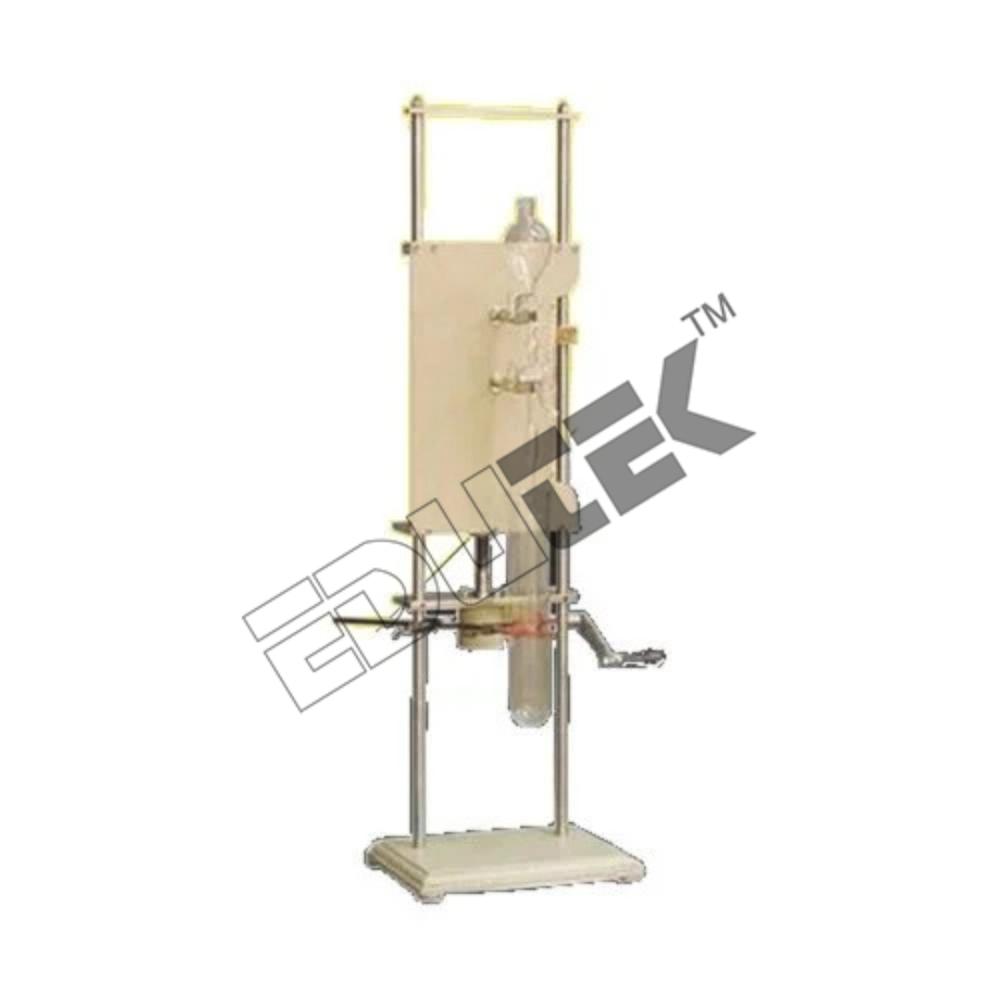
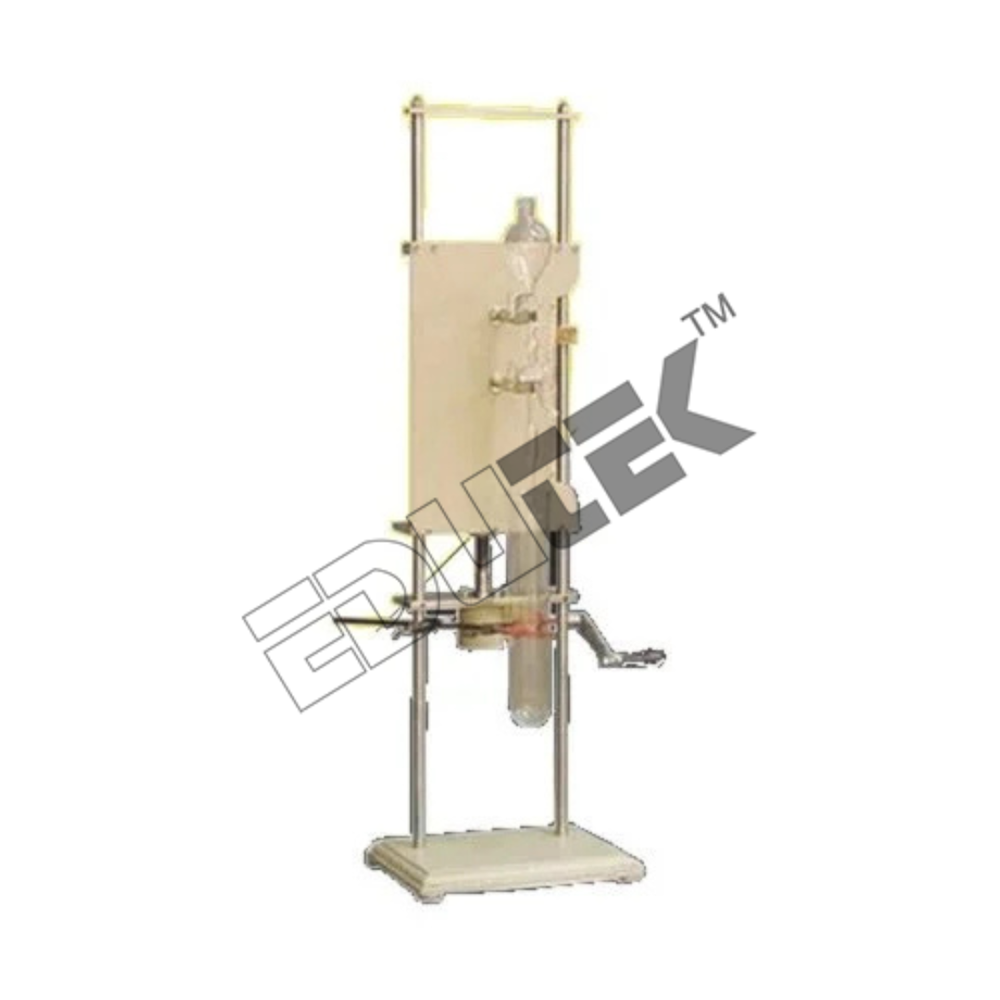
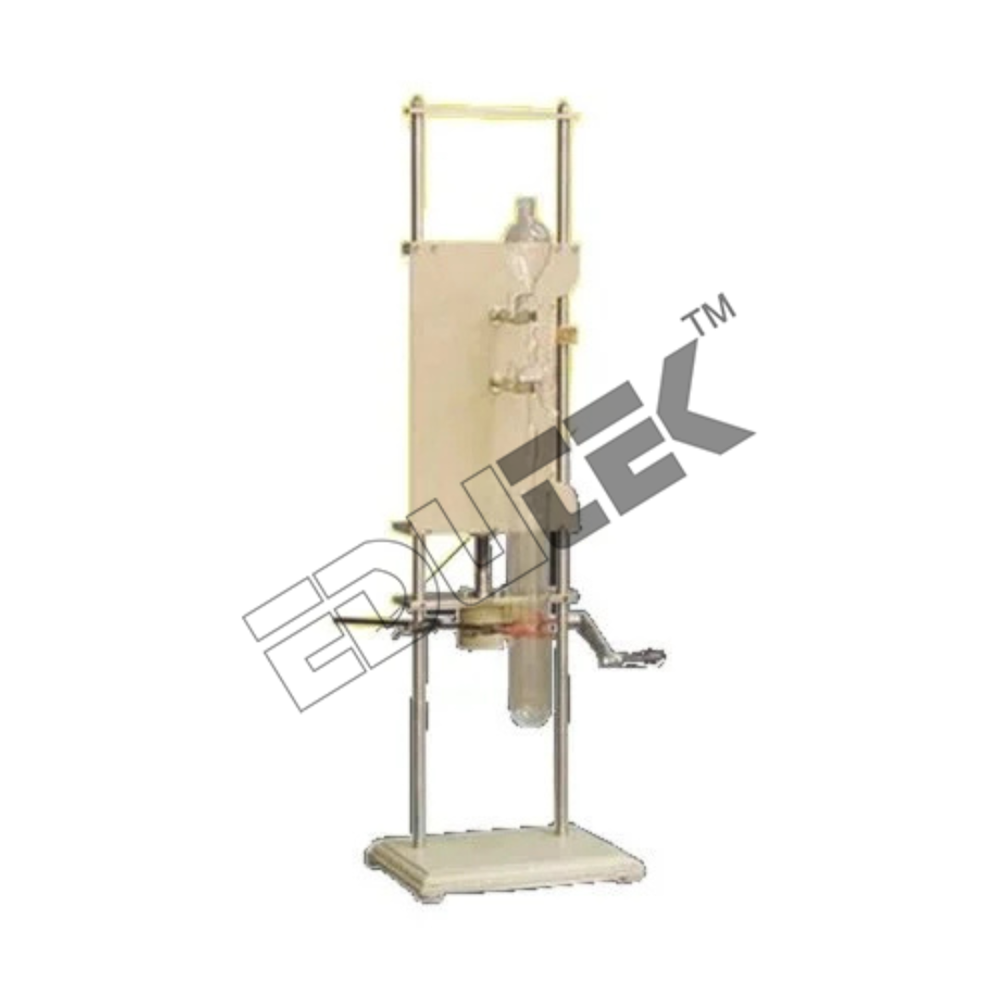
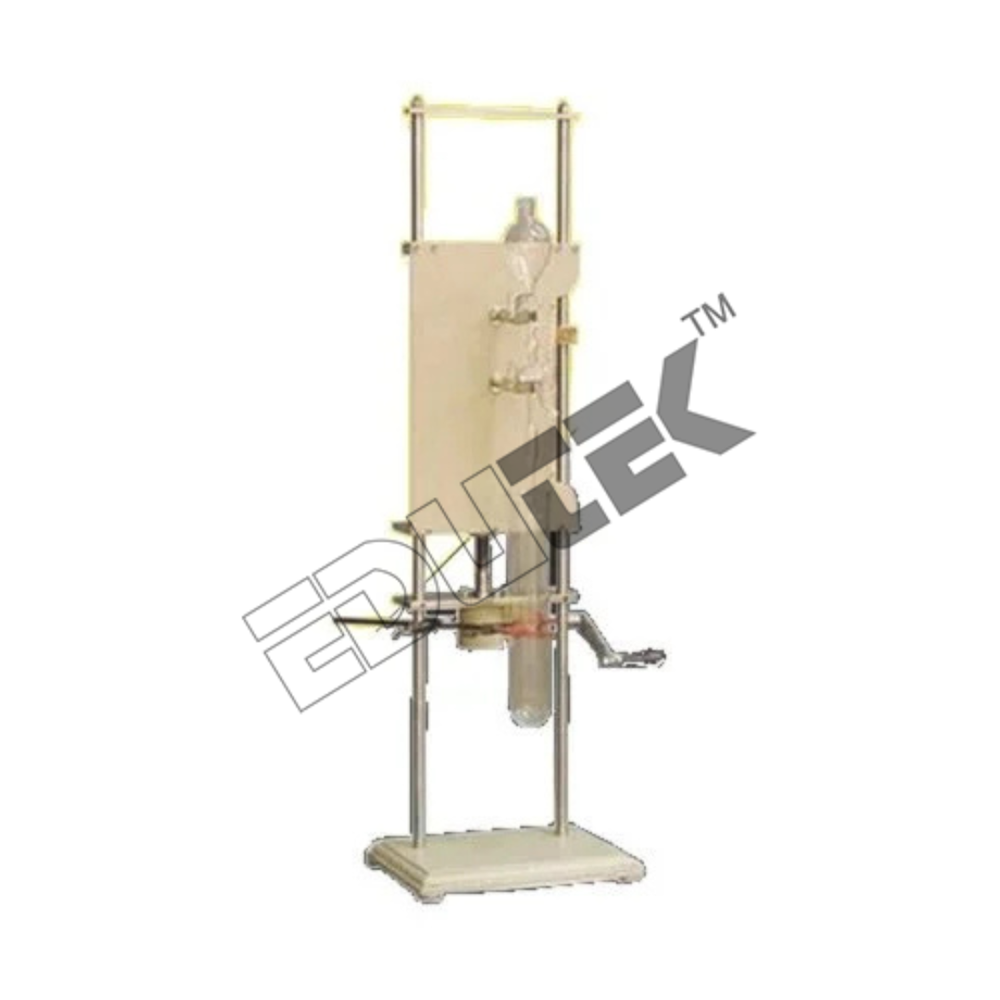
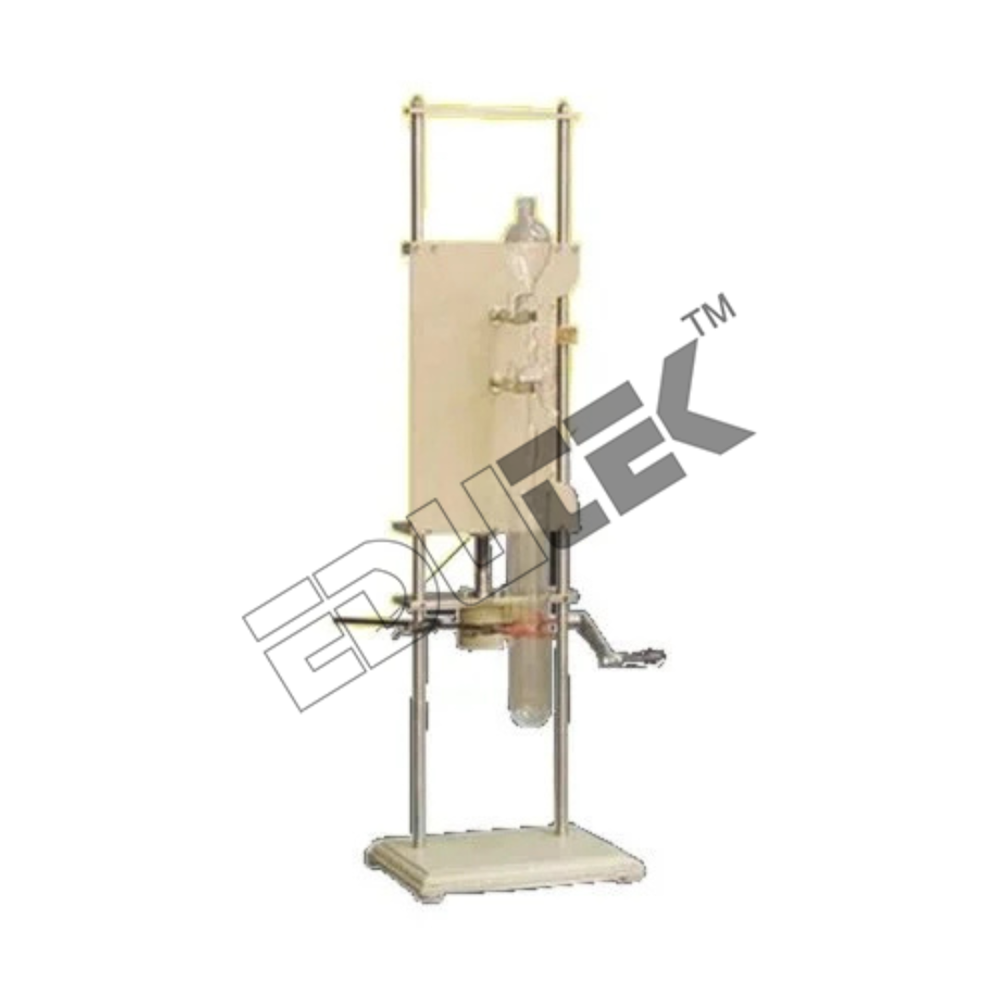
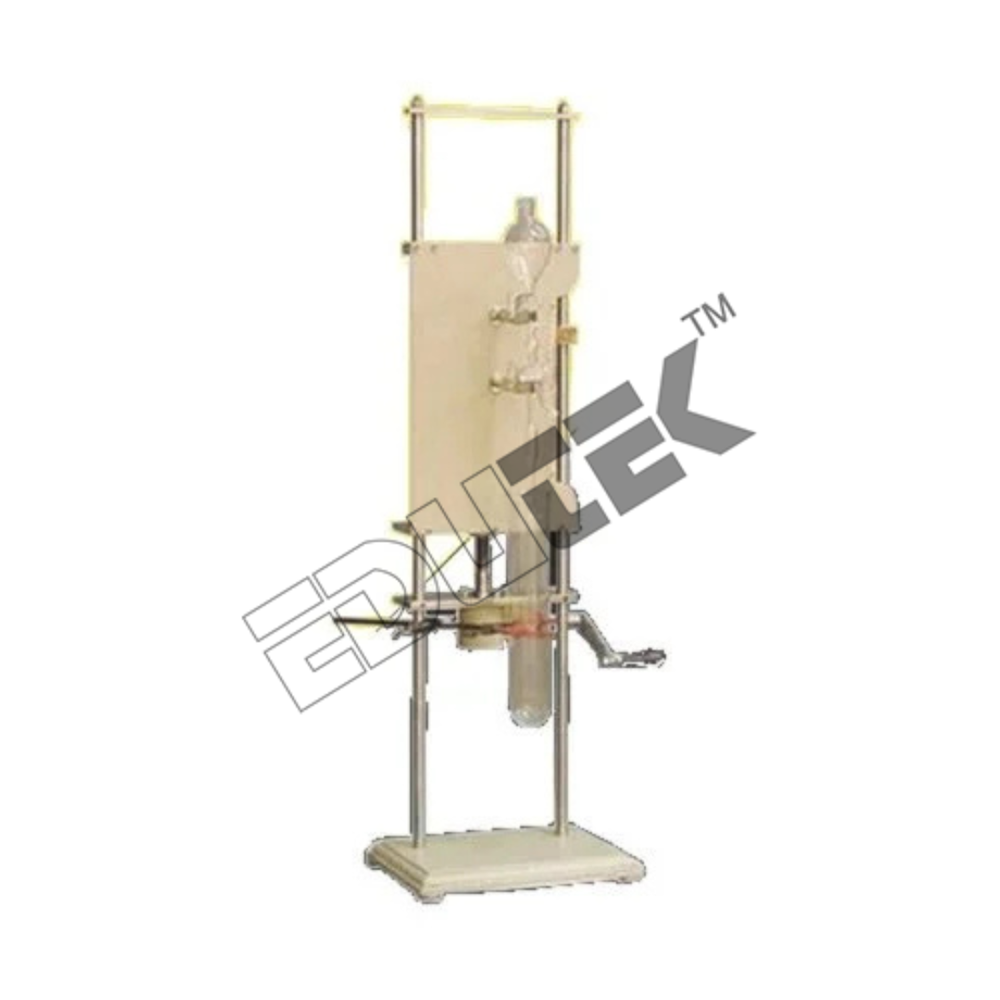
This is for the determination of the sub sieve particle distribution in a soil sample by mechanical analysis. An analysis of this kind expresses quantity the proportions by weight of the various sizes of particles present in the soil. It is recommended as a standard procedure to use dispersion agent to avoid flocculation. The apparatus consists of a sliding panel which moves up and down by means of a screw allowing Anderson pipette fixed to it to be raised or lowered vertically. A sedimentation tube is held by a laboratory clamp provided on the stand below the pipette. The depth of immersion is measured by a scale graduated in mm at the side of the sliding panel. Supplied complete with Anderson pipette 10ml. At the side capacity made from glass, and a sedimentation tube also of glass of 500ml capacity and 50nos. Test form pads.
ACCESSORIES AND SPARES
- Sedimentation Pipette (Anderson pipette) 25ml.
- Sedimentation tube 100ml.
- Sedimentation pipette 10ml.
- Sedimentation tube 500ml.
- Test forms pad of 50.
Reliable Precision for Soil TestingThis Grain Size Analysis Apparatus enables accurate and repeatable sieve and sedimentation analysis for laboratory use. Its 1% accuracy, clear graduations, and durable borosilicate components guarantee high-quality results for determining soil particle size distribution. Ideal for laboratories, exporters, and manufacturers, it meets key global compliance standards.
Comprehensive Kit with User-Friendly FeaturesEvery apparatus includes essential accessories such as a pipette, measuring cylinder, thermometer, and stirrer. The all-removable, easy-to-clean design minimizes downtime between experiments. Its corrosion-resistant construction and robust materials provide durability and safety in demanding laboratory settings.
Versatile Performance and SupportOperating manually with an analog display for straightforward readings, this apparatus covers measurements from 0.002 mm to 2 mm, catering to various soil types. Export-quality packaging ensures safe delivery, while service support is available upon requestmaking it a dependable choice for labs across India and beyond.
FAQs of Grain Size Analysis Apparatus:
Q: How do I perform a grain size analysis using this apparatus?
A: To perform a grain size analysis, you can utilize either the sieve or sedimentation methods (hydrometer and pipette). Simply prepare your soil sample (up to 50 g), place it in the borosilicate glass cylinder with water, and stir. Use the thermometer to monitor temperature and the pipette to extract samples at specific depths, reading sizes on the clear analog display. The apparatus follows IS 2720 (Part IV) and ASTM D422 test procedures.
Q: What accessories are included with the Grain Size Analysis Apparatus?
A: Every set is equipped with a 10 ml pipette with precise graduation markings, a measuring cylinder, a thermometer, and a stirrer. These accessories are designed for convenience, ensuring thorough sample preparation and accurate readings during laboratory experiments.
Q: When should I use the pipette and hydrometer methods provided with this apparatus?
A: The pipette and hydrometer methods are ideal when analyzing fine-grained soil particles typically smaller than 0.075 mm. Use these methods in laboratory settings when precise particle size distribution data is required for geotechnical or engineering applications.
Q: Where is this Grain Size Analysis Apparatus manufactured and can it be exported?
A: This apparatus is manufactured in India and is designed with export-quality packaging for safe international shipment. It is suitable for global laboratories, manufacturers, and suppliers who require compliant and durable instrumentation for soil particle analysis.
Q: What are the maintenance and cleaning requirements for this apparatus?
A: All parts of the apparatus are removable, allowing for straightforward cleaning after each use. The borosilicate glass components and corrosion-resistant construction ensure longevity and efficient maintenance, making it suitable for frequent laboratory operations.
Q: What is the benefit of using borosilicate glass and stainless steel in this equipment?
A: Borosilicate glass offers excellent chemical resistance and thermal stability, maintaining measurement accuracy, while stainless steel and brass components provide strength and corrosion resistance. This combination ensures reliable, long-term use in varying laboratory conditions.
Q: How accurate are the measurements provided by this apparatus?
A: The apparatus delivers highly accurate results, with measurements within 1% of the actual reading. This level of precision complies with international testing standards and supports reliable particle size distribution analysis in scientific, academic, or industrial laboratories.




 Send Inquiry
 Send Inquiry

