About Ductility Testing Apparatus
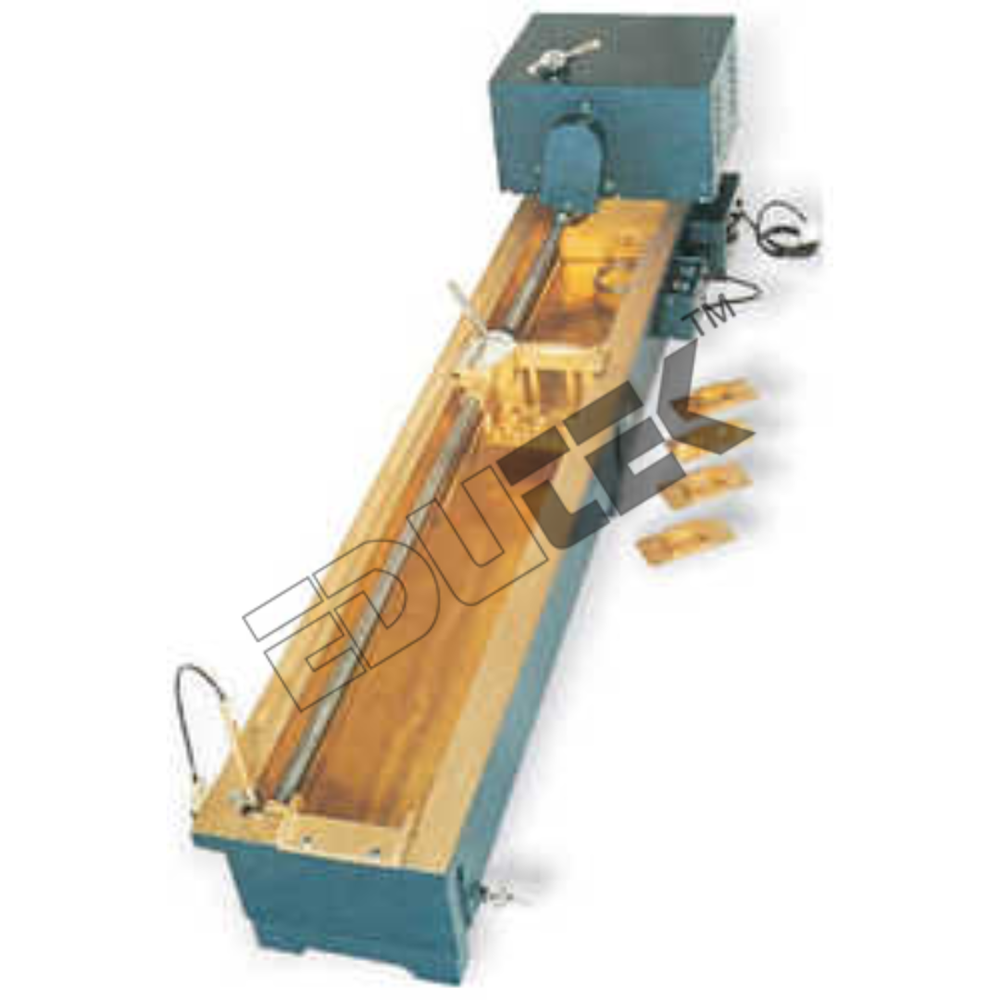
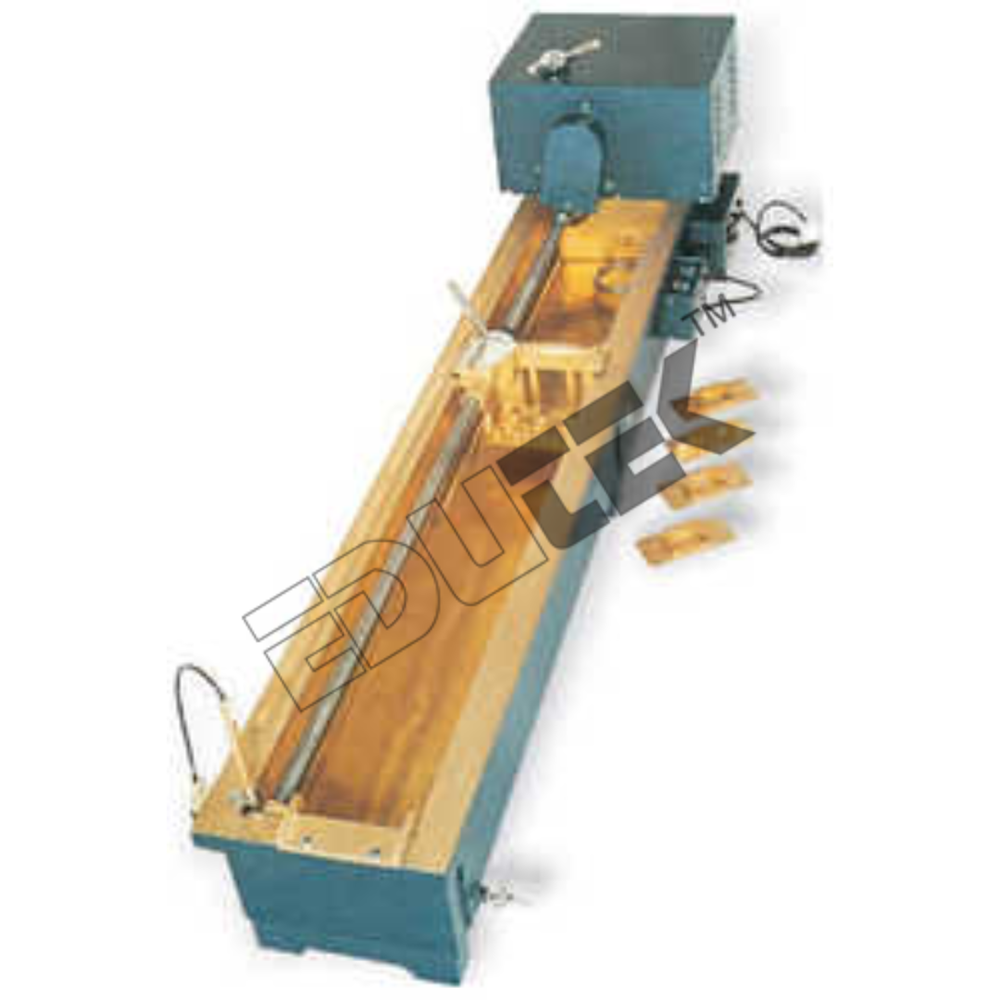
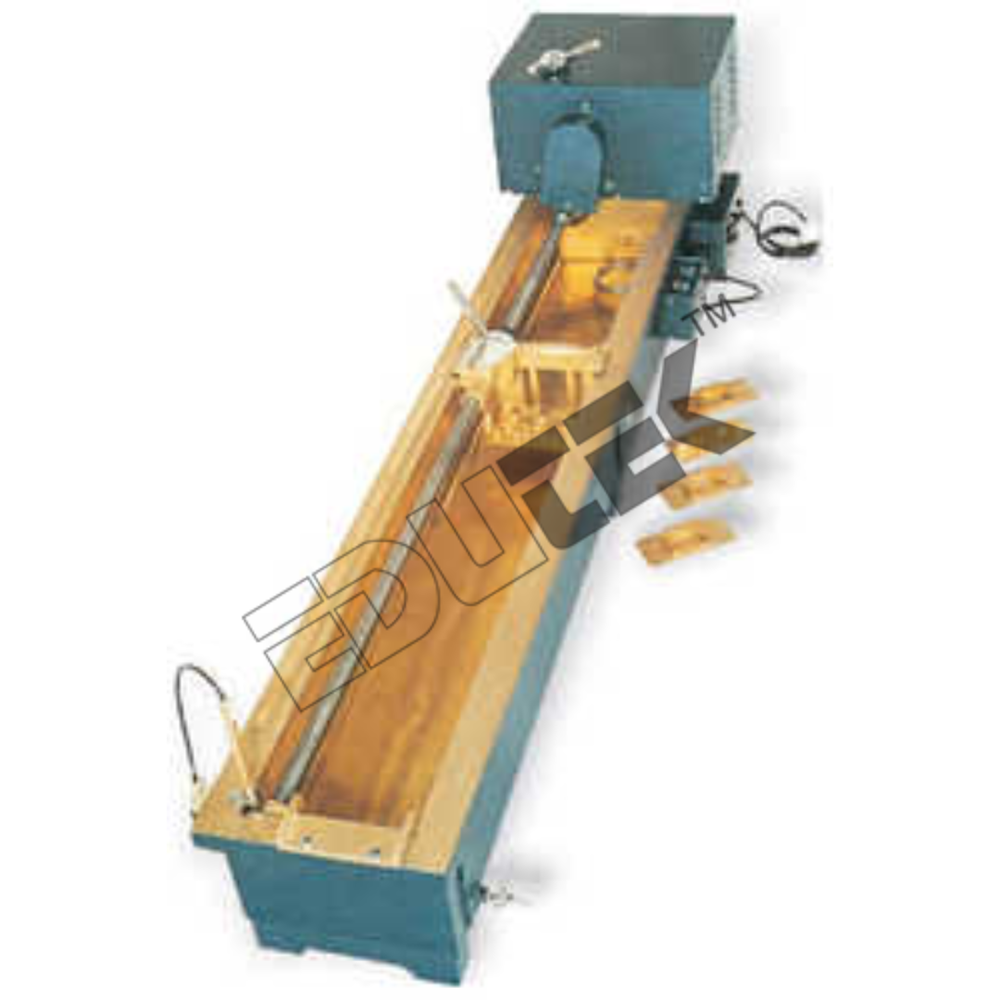
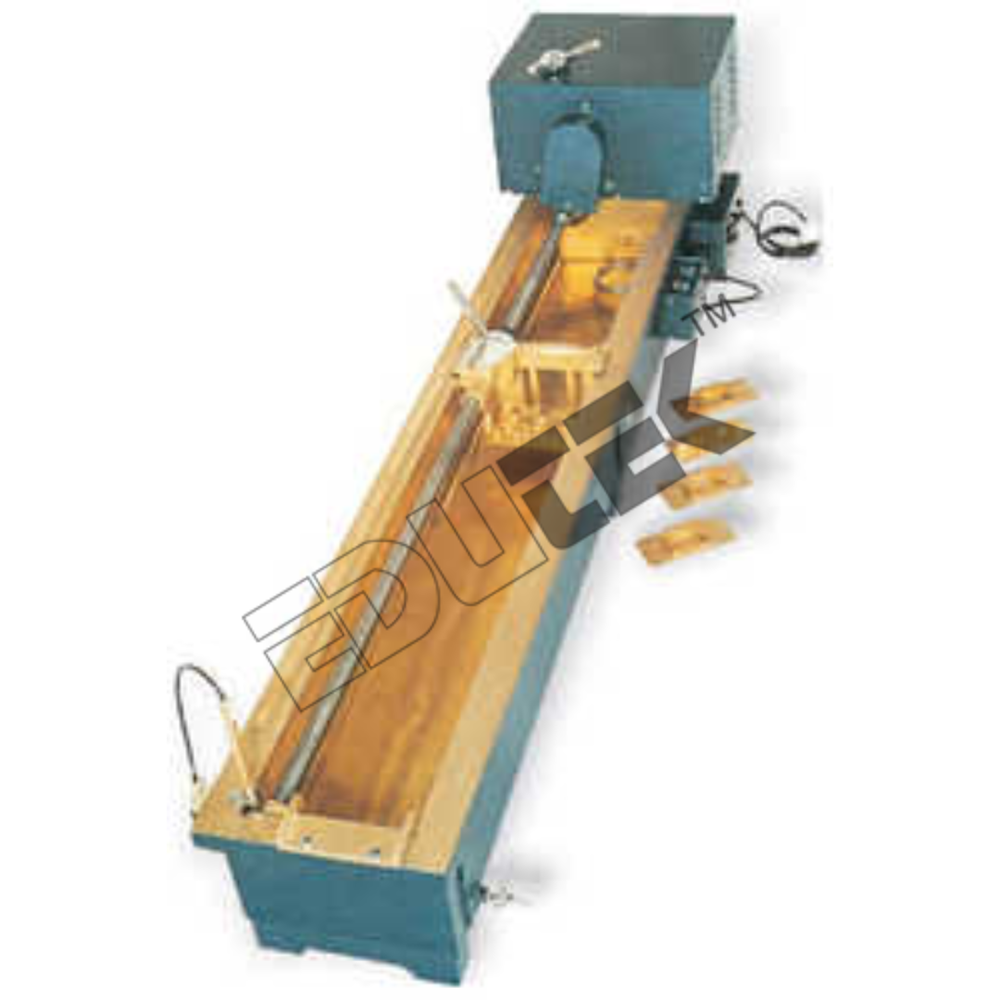
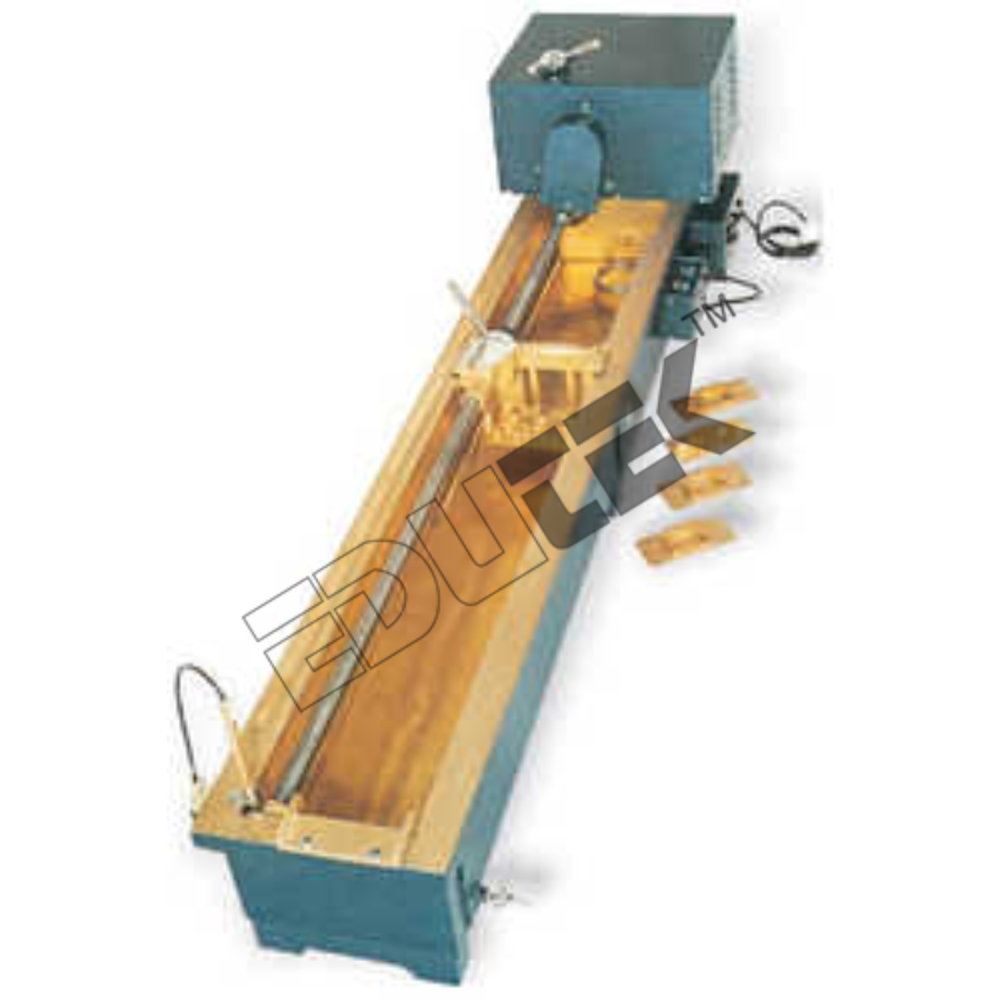
Ductility Testing ApparatusDesigned to test three specimens simultaneously. The machine consists of a carriage moving over a lead screw. An electric motor driven reduction gear unit ensures smooth constant speed and continuous operation. The entire assembly is mounted with a stainless steel lined water bath completely encased in metal bound hardwood. It is equipped with an electric pump circulator and heater. The temperature is controlled thermostatically. Two rates of travel i.e. 5 cm/min and 1 cm/min are provided. Suitable for operation on 230 V, 50 Hz, Single Phase, A.C. supply
Precision and ReliabilityEquipped with a digital thermostat, the apparatus maintains water bath temperatures between 5C and 27C with exceptional accuracy. Combined with its microprocessor-based controller and digital display, users can monitor and control testing parameters for consistent, repeatable results when assessing ductility characteristics.
Efficient Multi-Specimen TestingThe system accommodates up to three specimens simultaneously, utilizing fractional HP motorized drive and direct digital travel indication. This multi-specimen capability increases throughput and improves laboratory efficiency, making it suitable for high-volume testing environments and quality control operations.
Safety and DurabilityConstructed with a stainless steel body and acrylic bath cover, the unit features IP54 protection, ensuring durability and safe operation. Its table-top mounting, enclosed motor, and immersion-type heating element contribute to smooth, reliable operation, while the additional tap water cooling inlet supports temperature consistency during extended testing sessions.
FAQs of Ductility Testing Apparatus:
Q: How does the apparatus maintain uniform temperature during ductility testing?
A: Uniform temperature is achieved through bath circulation and a digital thermostat that precisely controls the water bath within a 0.1C range. The built-in tap water inlet further assists in maintaining the set temperature throughout the test process.
Q: What types of materials can be tested with this apparatus?
A: This equipment is designed for testing the ductility of bituminous materials, including bitumen, asphalt, and tar, making it suitable for a wide range of applications in road construction, research, and quality assurance.
Q: When should I use the ductility testing apparatus in my workflow?
A: Use the apparatus whenever you need to evaluate the elongation and flexibility of bituminous specimens. It is commonly used during material quality checks, routine laboratory analysis, and batch inspections before utilization in infrastructure projects.
Q: Where is the ductility testing apparatus typically installed?
A: This semi-automatic unit is intended for table-top mounting, making it easy to install in laboratory settings, research facilities, or testing centers where bituminous materials are assessed.
Q: What process does the device use to measure specimen ductility?
A: Specimens are placed in molds within the water bath and stretched via a motorized mechanism at a controlled speed (10 mm/min or 50 mm/min standard). The elongation is monitored using a digital sensor, providing accurate, direct readings up to a stroke length of 1.5 meters.
Q: How do users benefit from direct digital indication and adjustable speed features?
A: Digital indication ensures precise, real-time travel measurement (1 mm accuracy), while adjustable speed controls enable tailored testing protocols, improving the reliability and repeatability of results for various specimen characteristics.




 Send Inquiry
 Send Inquiry

