About Digital Level Equipment
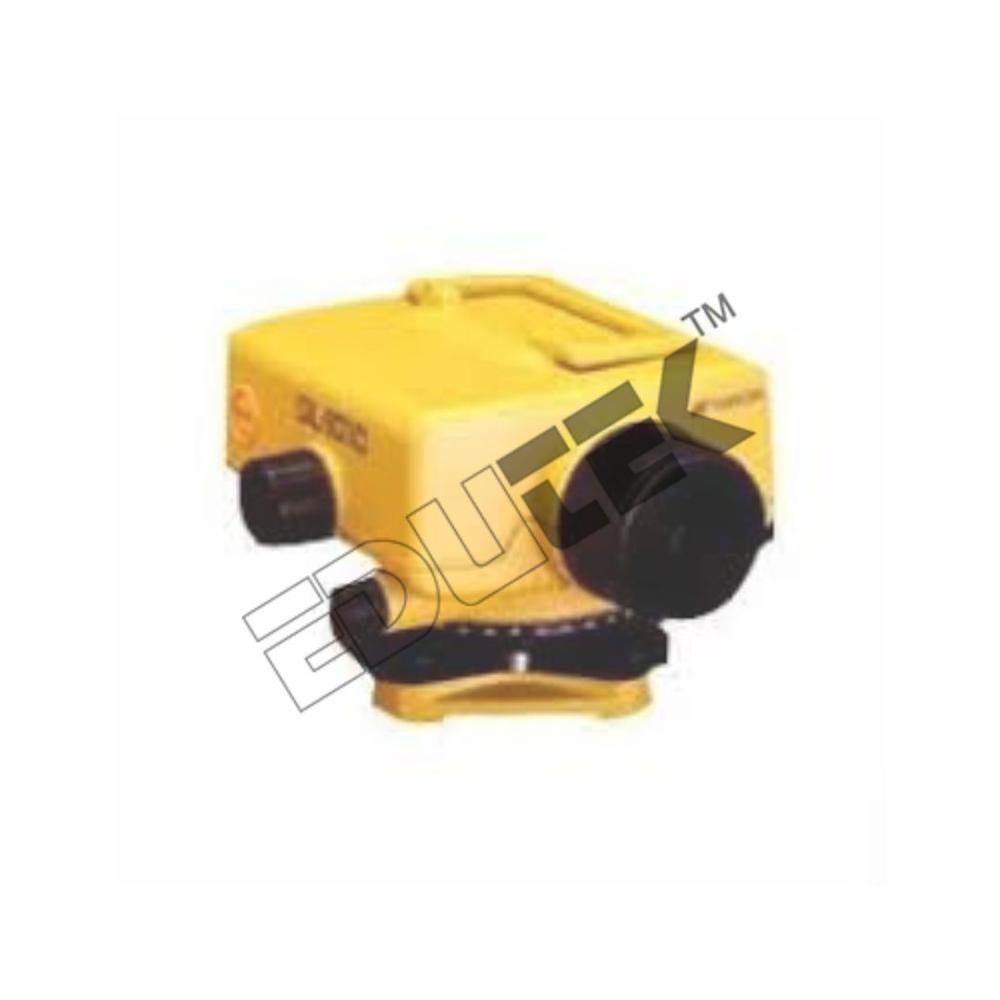
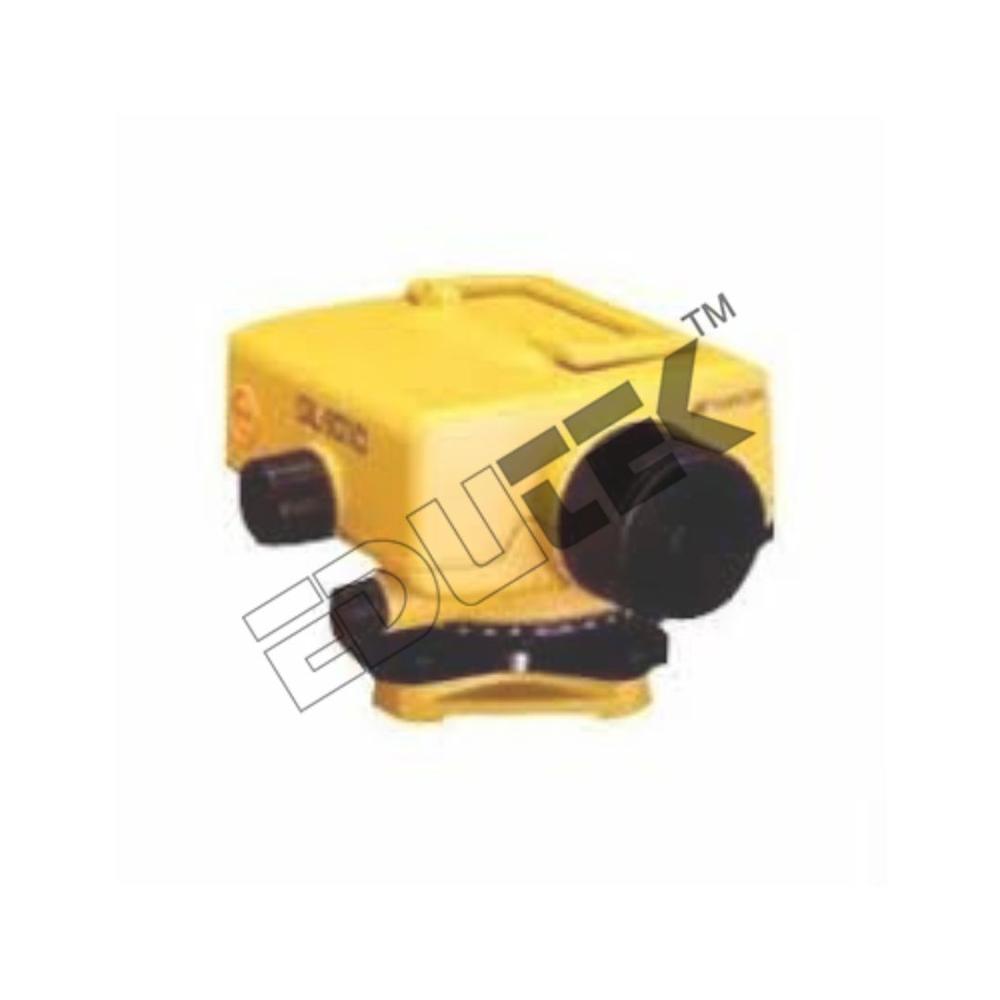
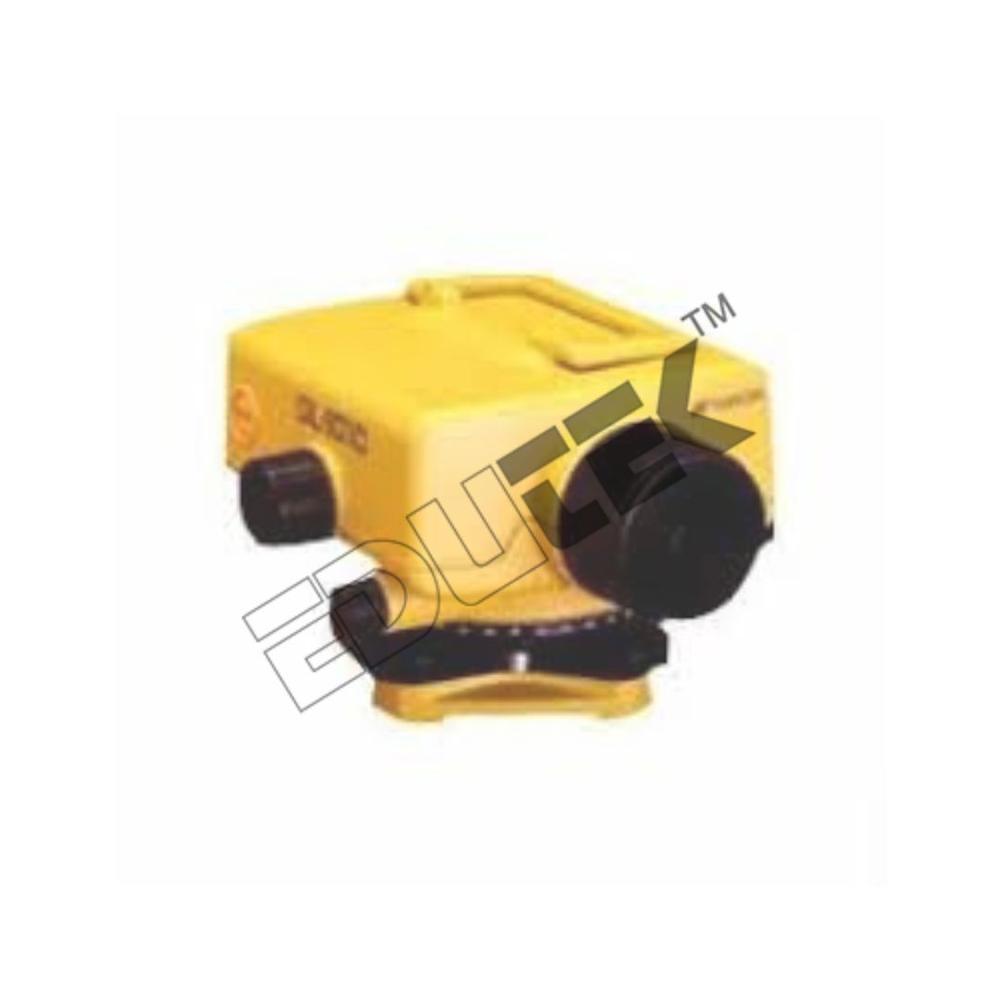
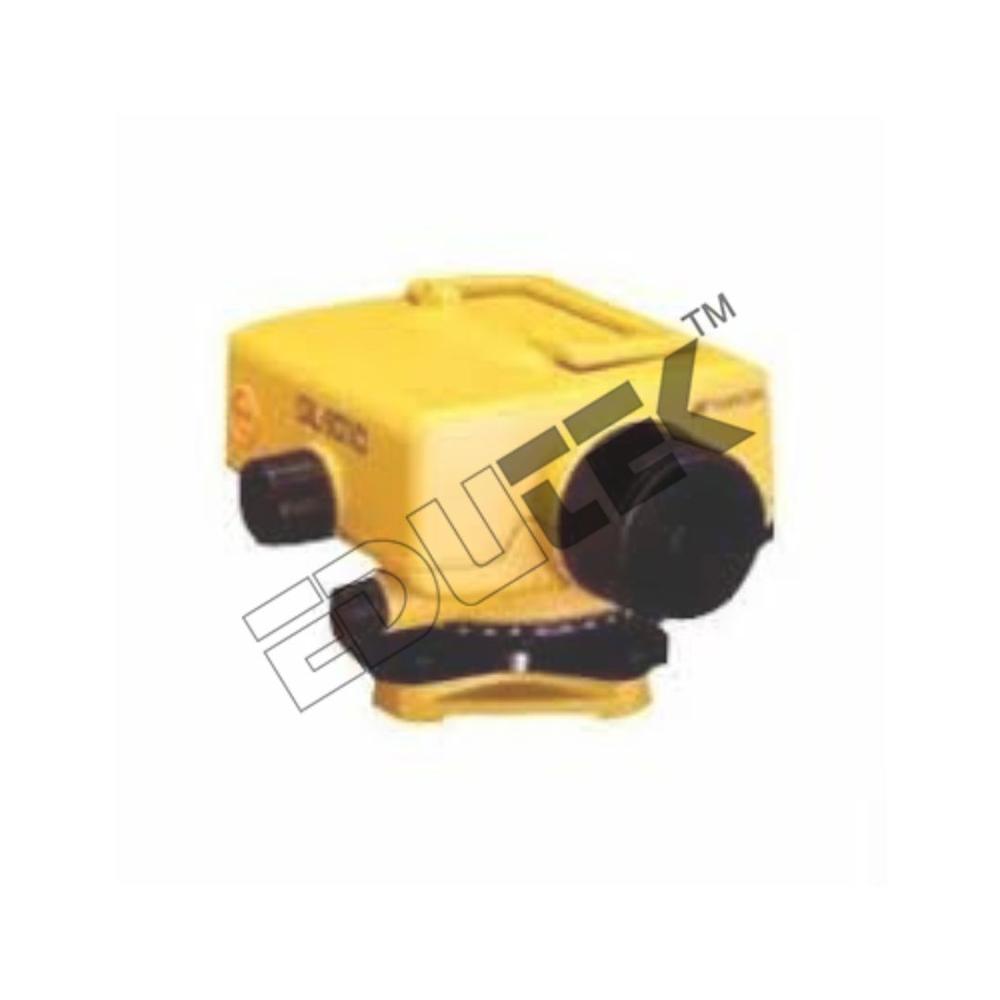
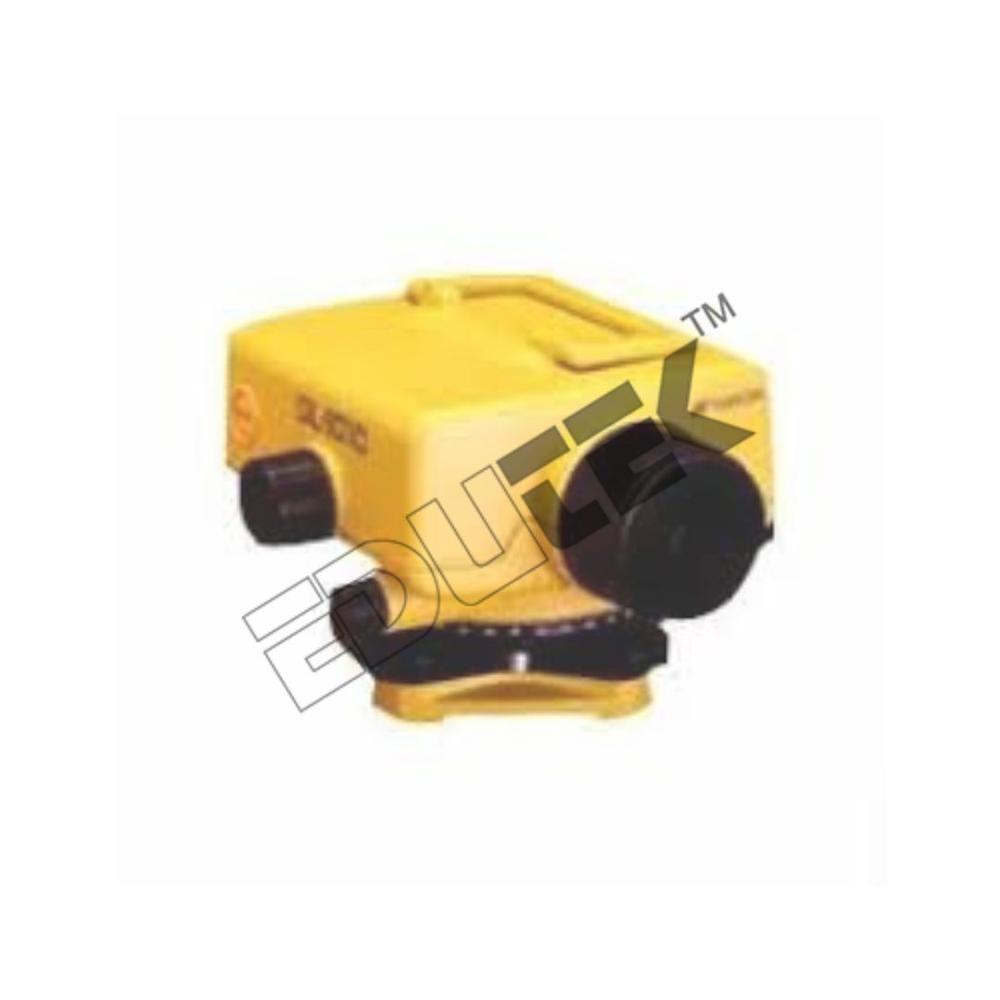
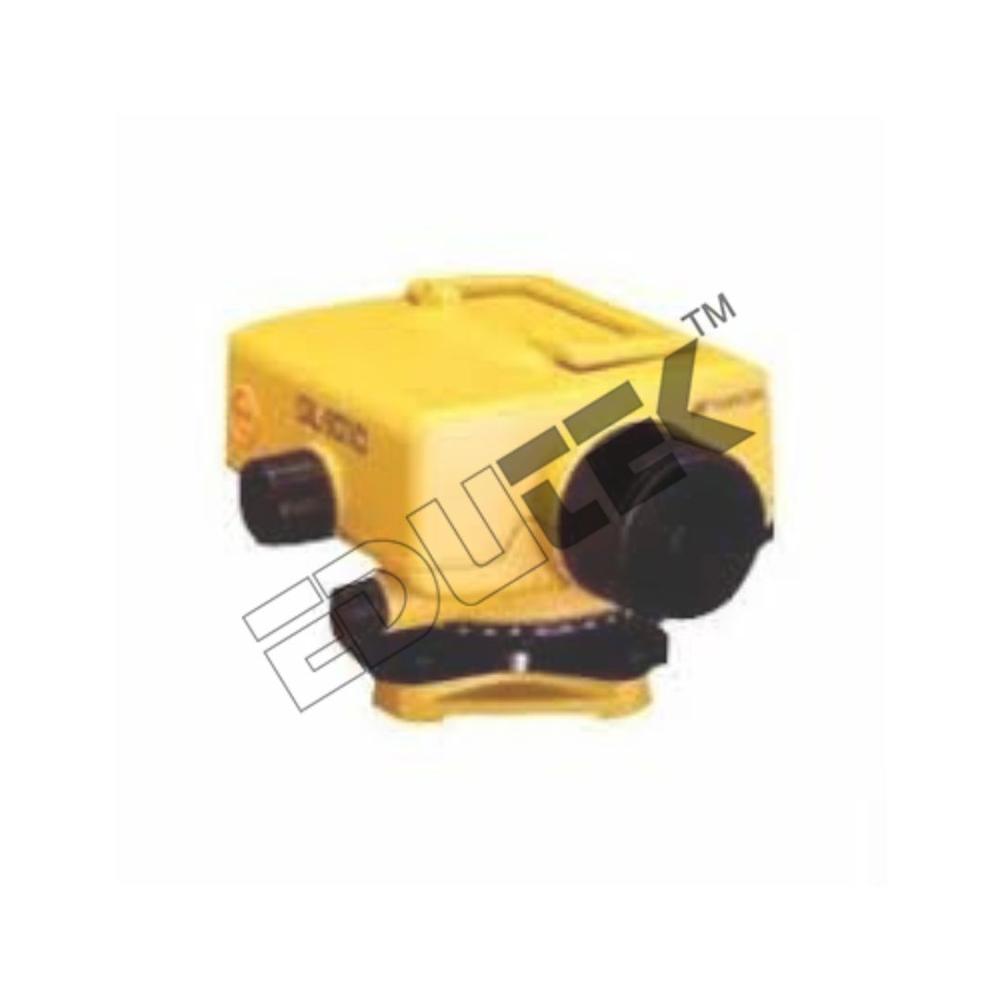
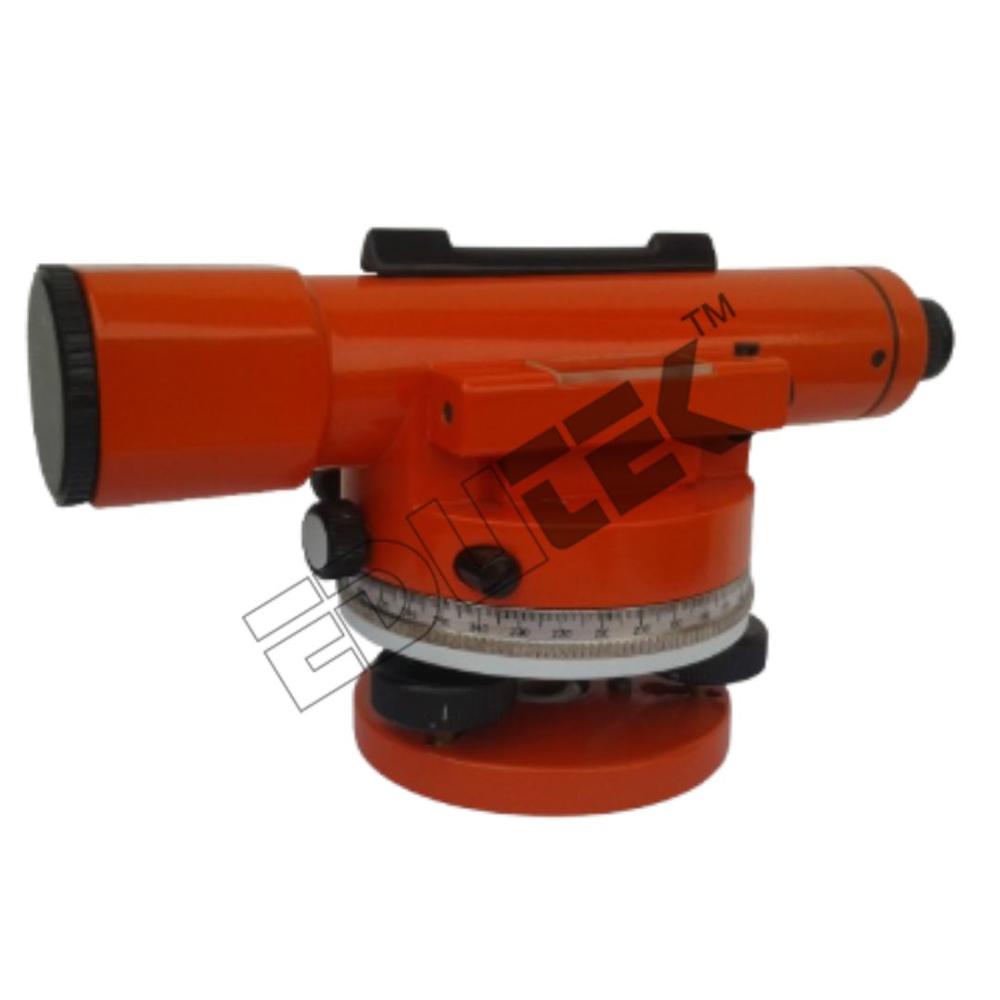
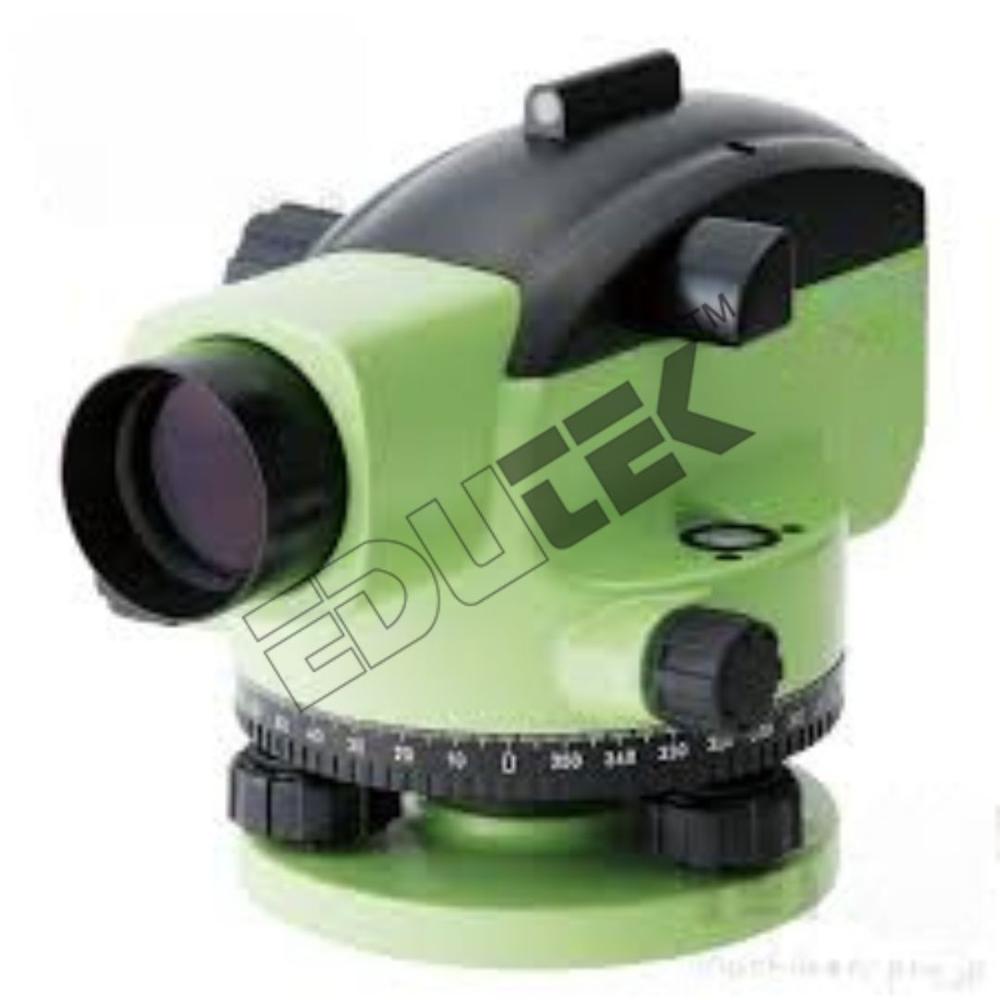
Digital Level EquipmentOur wide range of digital level equipment is customized as per the specifications of our clients. These equipment are designed and developed at par various industrial standards and possess following specifications:
- Faster Automatic Measurement
- When used with unique patterned staff, height and distance can be automatically determined digitally
- Fully automatic electronic measurement,
- Results appear in the clearly visible display window after about three seconds.
- Highly Accurate Measurement
- The fully automatic measuring ability and digital display excludes any reading errors, writing mistakes in the field book, and other possible human-made errors.
- Increased Productivity up to 50% with all leveling work carried out automatically quickly and more economically as compared to the performance of conventional optomechanical levels
- This effortless and error-free measurement makes it possible to have up to a 50% increase in productivity
- Data Output Function Standard RS-232C port provides an instant communications link with a data collector or direct output to a personal computer
- Digital Level takes accuracy and ease of operation to a higher level with its
- Advanced Image Processing Technology.
- The outstanding features make the DL- 102C ideal for high precision applications including the performance of 1st and 2nd order leveling and deformation monitoring
- DISPLAY 2-line, 8-digit per line
- Dot matrix LCD with backlight
- DATA STORAGE PCMCIA card (64KB to 2MB)
- Internal memory approx. 8,000 data
- KEYBOARD Alphanumeric input
Precision Leveling for Professional ResultsOur Digital Level Equipment is engineered to deliver accurate RL measurements, essential for surveying, construction, and other fieldwork. Whether you're setting foundations or grading land, its advanced design and manual operation provide the precise results professionals demand.
Built to Last in Rugged EnvironmentsFabricated from high-quality metal and durable plastic, this device withstands demanding field conditions. The ergonomic yellow casing enhances visibility, reducing the likelihood of misplacement and improving workplace safety, while maintaining a lightweight profile for ease of handling.
FAQ's of Digital Level Equipment:
Q: How is the Digital Level Equipment used to find RL?
A: The Digital Level Equipment determines RL (Reduced Level) by providing a reference point for elevation measurements. It is positioned on a stable surface, set up manually, and used with a leveling staff to read heights, which are then used to calculate the RL of specific points.
Q: What materials are used in the construction of this device?
A: This equipment is constructed from a combination of high-grade metal and high-quality plastic. These materials offer both strength and durability, ensuring reliable performance even under rugged field conditions.
Q: When should this Digital Level Equipment be utilized?
A: This device should be used during surveying, construction, or any application where precise RL measurements are necessary. It is especially beneficial when establishing building foundations, grading land, or checking level differences between reference points.
Q: Where can this equipment be used effectively?
A: The Digital Level Equipment is ideal for both indoor and outdoor use at construction sites, survey fields, and architectural projects. Its robust build and clear color make it suitable for various environments across India and beyond.
Q: What are the key benefits of using this Digital Level Equipment?
A: Key benefits include precise RL measurements, durable construction, and improved job site safety due to its bright yellow coloring. Its manual operation ensures accuracy, and its portable design facilitates transportation and use across multiple sites.
Q: What is the process for operating the Digital Level Equipment manually?
A: Set the equipment on a stable, level surface at your working site. Align it with the target point, then use the associated leveling staff to obtain a height reading. By comparing readings from different points, you can accurately establish RL values.




 Send Inquiry
 Send Inquiry

