About Compound Microscope
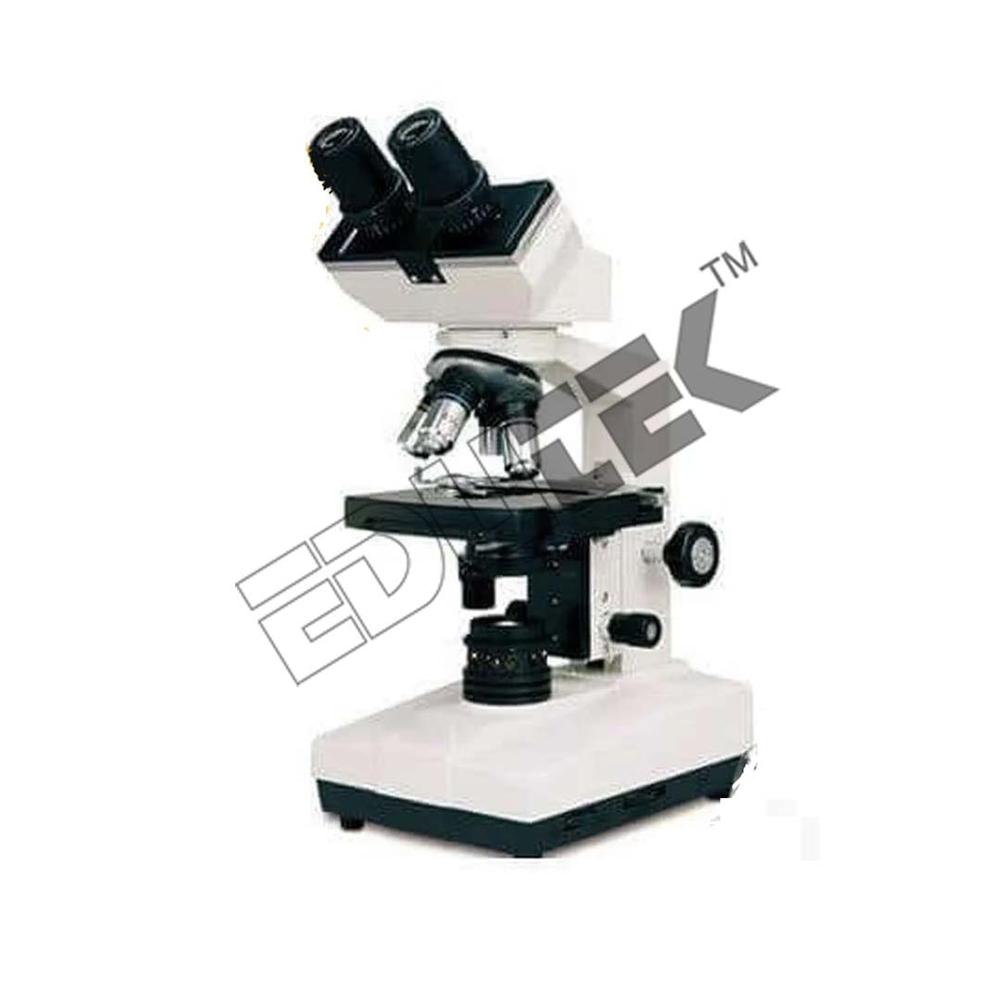
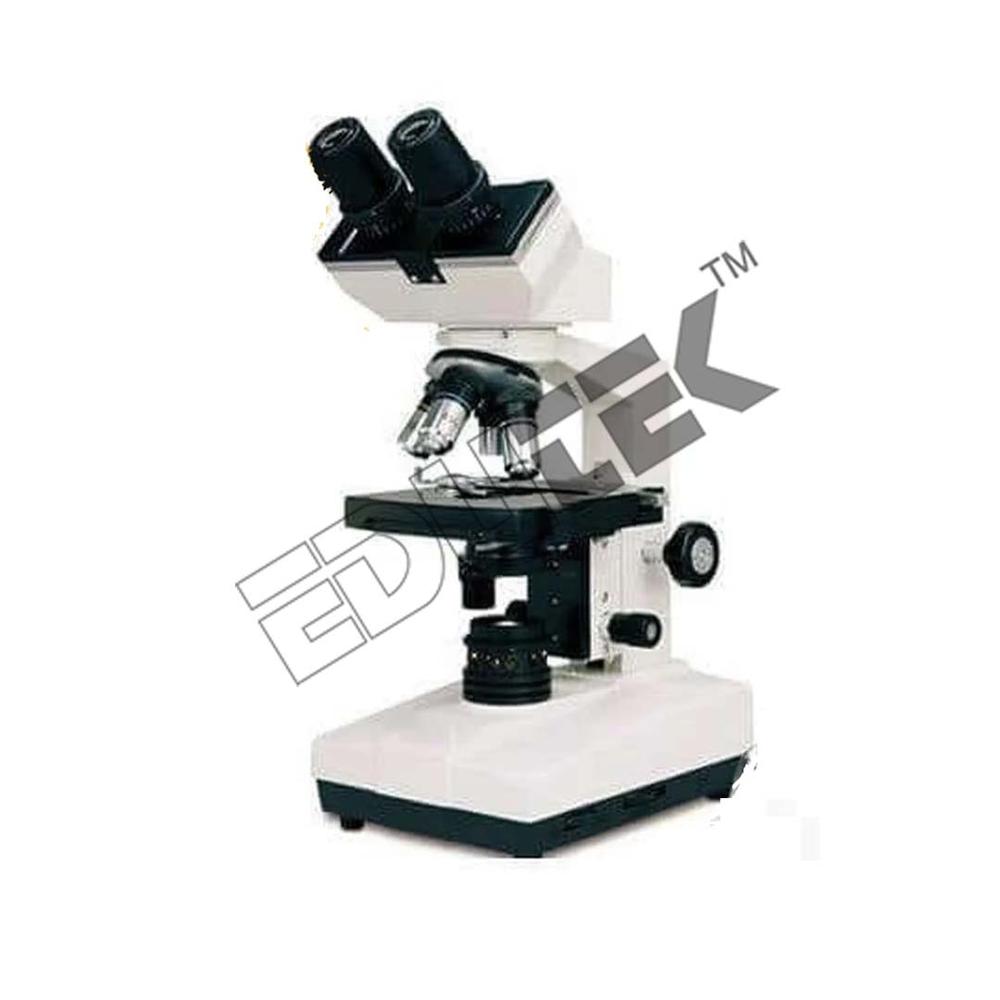
COMPOUND MICROSCOPE
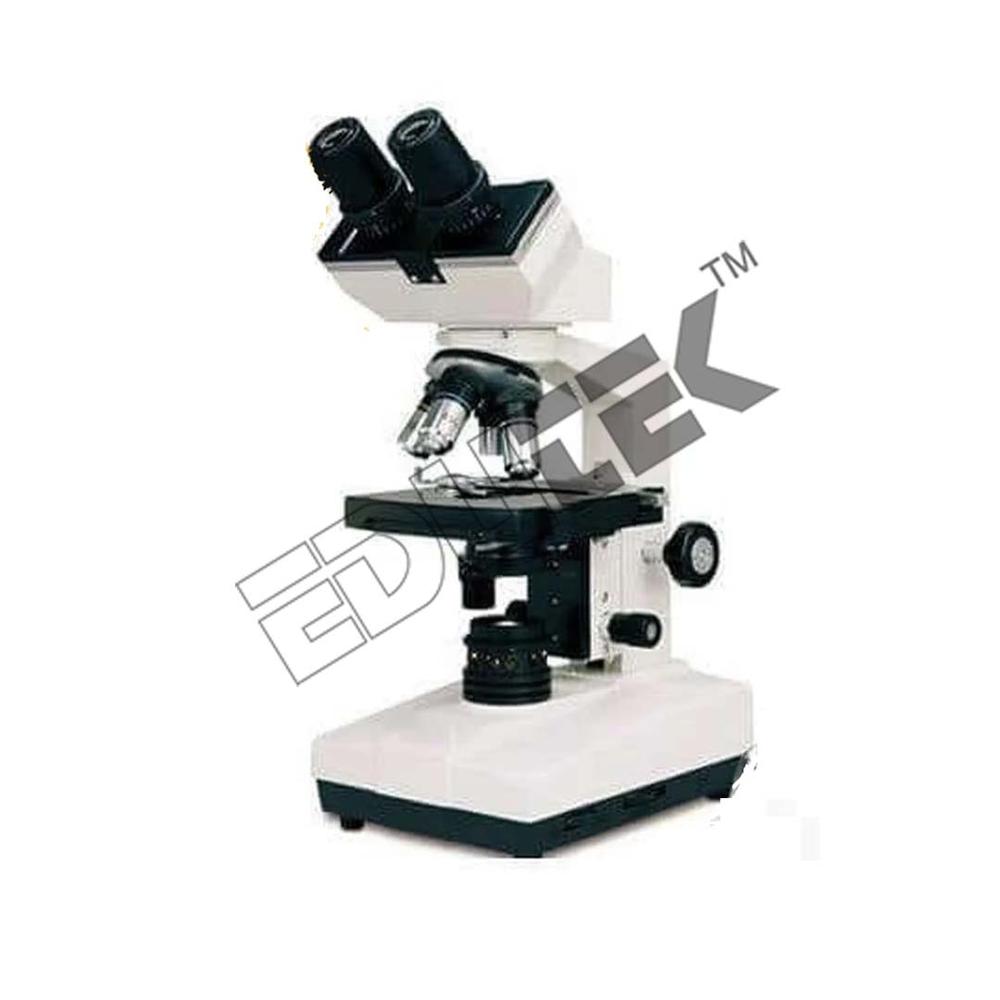
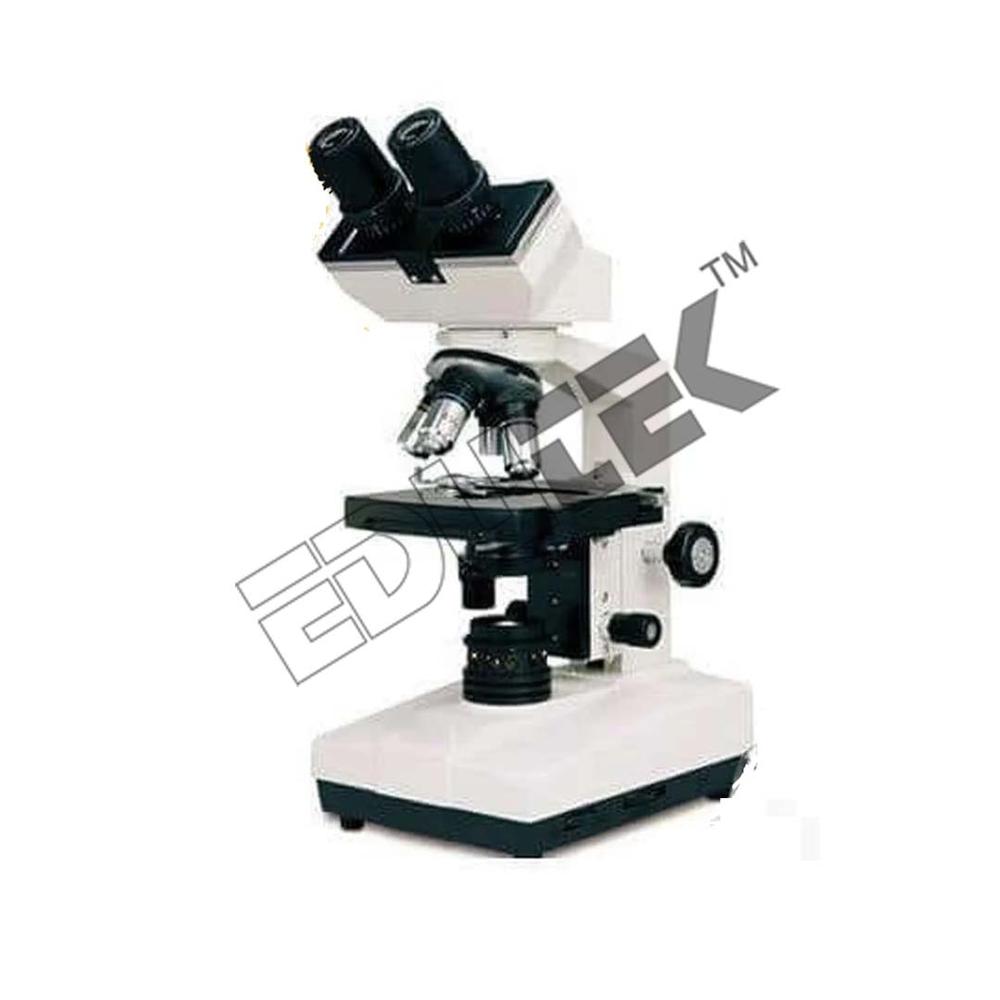
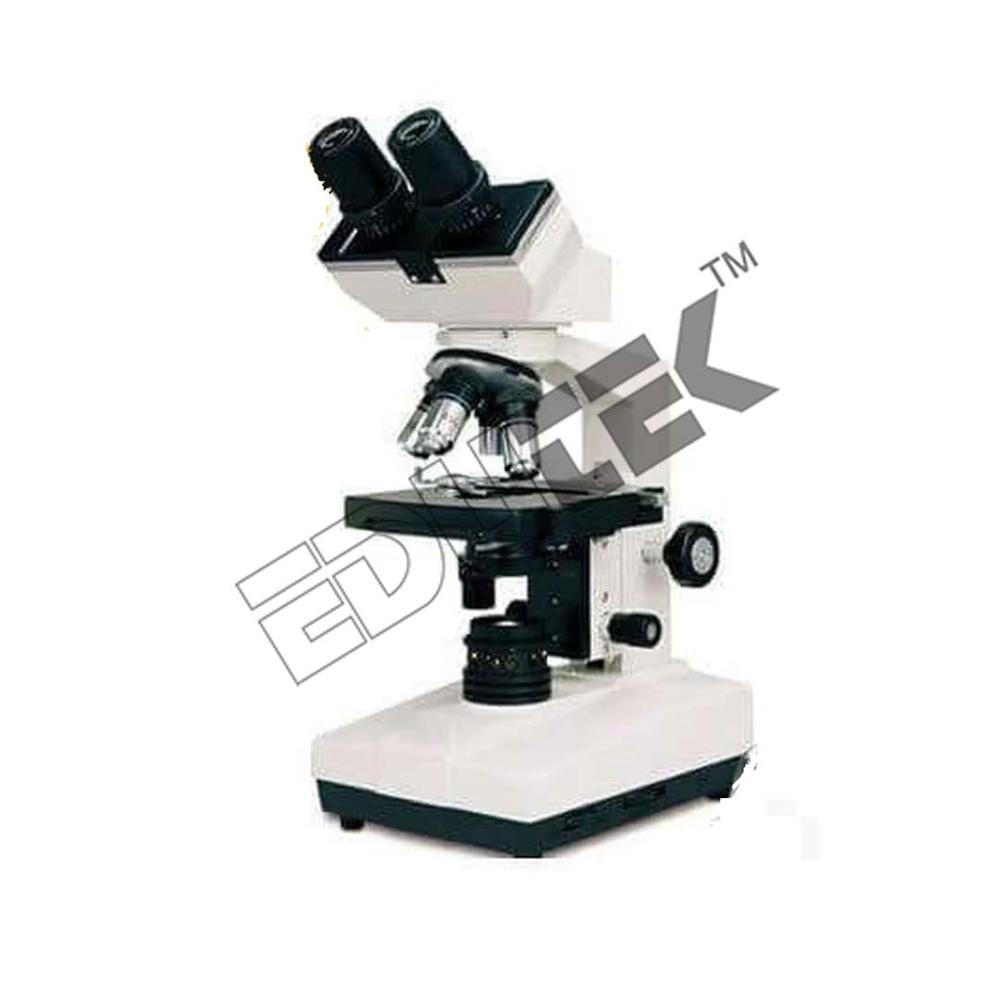
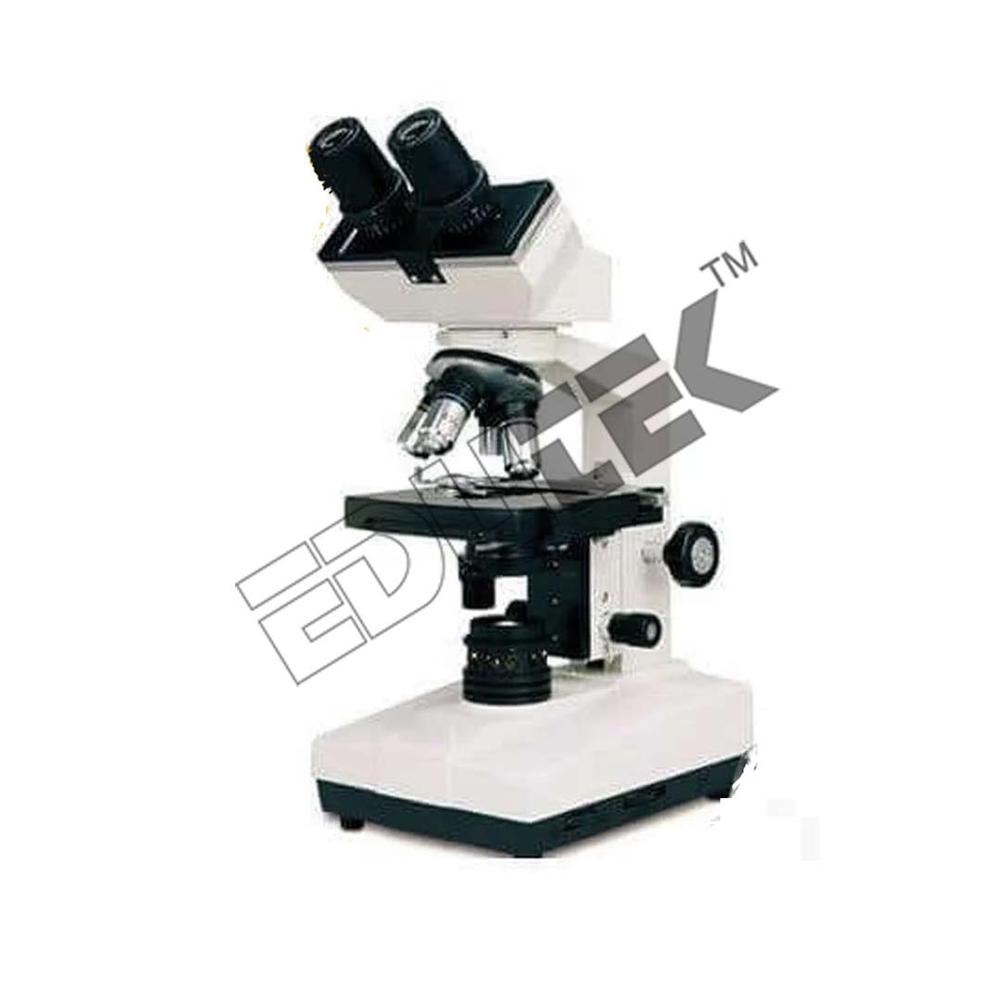
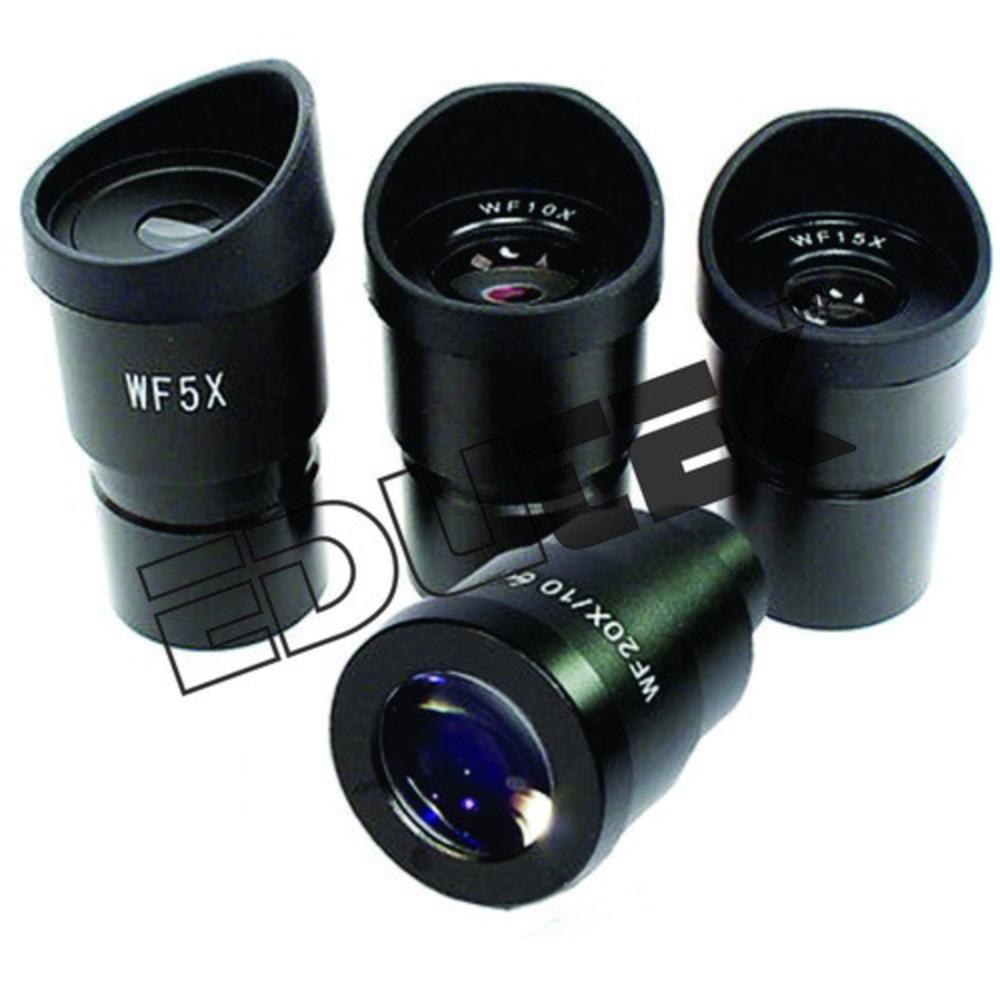
- Eyepieces: wide field, WF10X and WF25X
- Objectives: Achromatic DIN 4X, 10X, 40X(S), 100X(S, Oil)
- Head: 30 degree inclined 360 degree swiveling binocular
- Inter pupillary distance: 2-1/8" - 3-1/8" (53mm - 77mm)
- Adjustable ocular diopter
- Nosepiece: revolving quadruple
- Mechanical Stage: 3-D double layer
Achieve detailed observation with magnification options from 40x to 1000x, supported by achromatic objective lenses and a wide-field eyepiece. The optical glass lenses ensure minimal color fringing and sharp image quality at all powers, making this microscope ideal for examining cells, tissues, and microorganisms.
Precision and Convenience in OperationThe dual focusing system (coarse and fine adjustment) and mechanical movable stage make precise sample positioning and focusing straightforward. The Abbe condenser with iris diaphragm enables control over lighting and contrast, enhancing visual results for diverse specimen types.
Adaptable Illumination and Robust DesignIllumination is provided either by LED or an adjustable reflecting mirror, suiting different environments and user preferences. This compound microscope features a sturdy metal body, designed to withstand frequent use. Monocular or binocular displays are available for comfort, catering to various working scenarios.
FAQs of Compound Microscope:
Q: How do I switch between the different objective lenses for various magnification levels?
A: To change magnification, rotate the nosepiece to select the desired objective lens (4x, 10x, 40x, or 100x). Each lens clicks into position above the sample, with combined magnification using the WF 10x eyepiece.
Q: What is the process for focusing a specimen on this compound microscope?
A: Begin with the coarse adjustment knob to bring the specimen into general focus, then use the fine adjustment knob for sharper, detailed resolution. This dual mechanism allows both rapid and precise focusing.
Q: Where can I use this compound microscope effectively?
A: This microscope is well-suited for laboratories, educational institutions, clinical settings, and research facilities. Its robust metal construction and versatile illumination adapt to a range of professional and academic environments.
Q: When should I use the reflecting mirror instead of LED illumination?
A: The reflecting mirror is ideal in situations where electricity is unavailable or when more natural light is preferred. LED illumination offers consistent, bright light and is suitable for detailed inspection in all lighting conditions.
Q: What are the benefits of the achromatic objective lenses in this microscope?
A: Achromatic objective lenses minimize color distortion and provide high-clarity images across magnification levels. They deliver reliable, accurate visual results, crucial for research and analysis.
Q: How does the mechanical movable stage enhance usability?
A: The mechanical movable stage allows precise positioning and maneuvering of slides, facilitating systematic scanning of specimens. Slide clips help secure samples during observation.
Q: What type of maintenance is required to keep this microscope in optimal condition?
A: Regular cleaning of optical components with lens paper, gentle handling of mechanical parts, and protection from dust are recommended. The metal body and glass lenses are designed for durability, and proper care extends the equipments lifespan.







 Send Inquiry
 Send Inquiry

