EDUTEK INSTRUMENTATION
GST : 06AEWPJ6896D1ZU

Call us
07313726362
Call us
07313726362
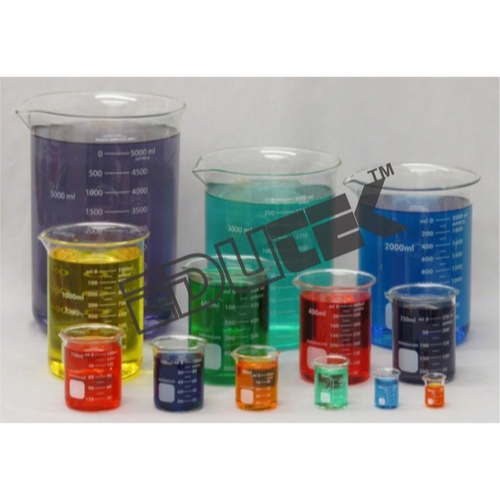
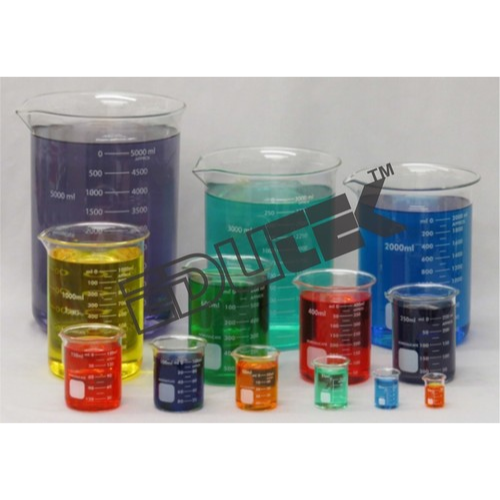
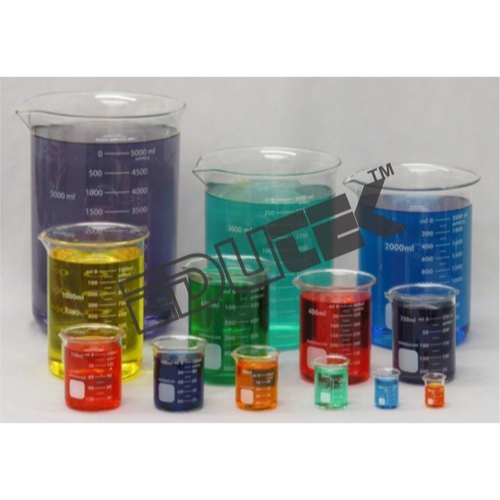
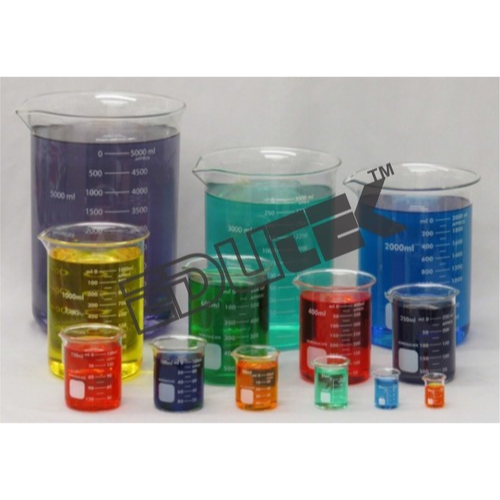
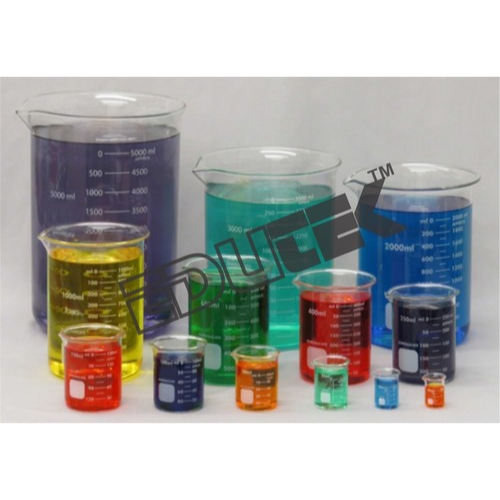
BEAKERS
Borosilicate glass, borosilicate glass beaker sare graduated, metric scale to indicate approx. volume. , accurate to+/-10%.


Price:
Minimum Order Quantity : 10 Pieces
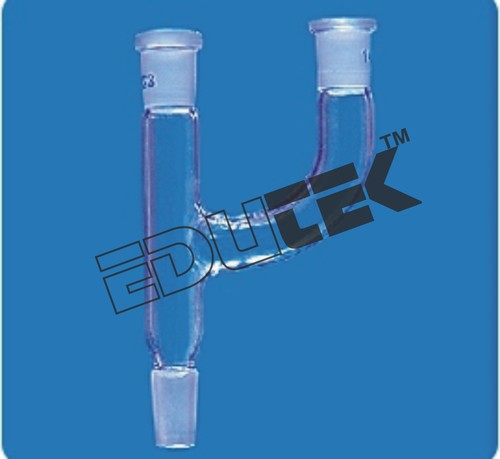
Features : Parallel Neck Design, High Thermal Shock Resistance, Compatible with All Standard Glassware
Application : Laboratory Glassware, Connecting Flask, Transfer of Liquids or Gases
Type : Other
Material : High Quality Borosilicate Glass
Capacity (Ltr) : Depends on connecting setup Milliliter (mL)
Minimum Order Quantity : 10 Pieces
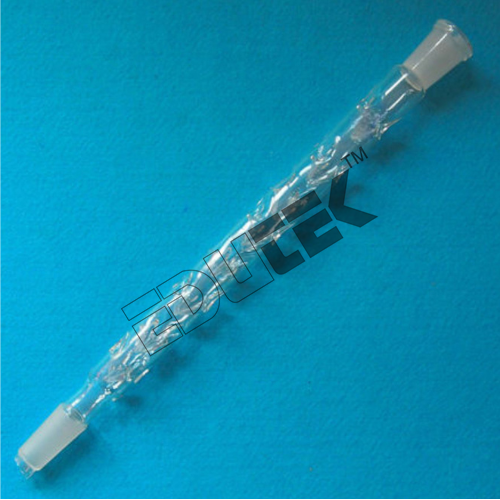
Features : Indented column for increased surface area, improves separation
Application : Fractional distillation, organic chemistry laboratories
Type : Other, Distillation Column (Vigreux)
Material : Borosilicate/Scientific Glass
Capacity (Ltr) : 10 ml to 2 L (based on model specification)
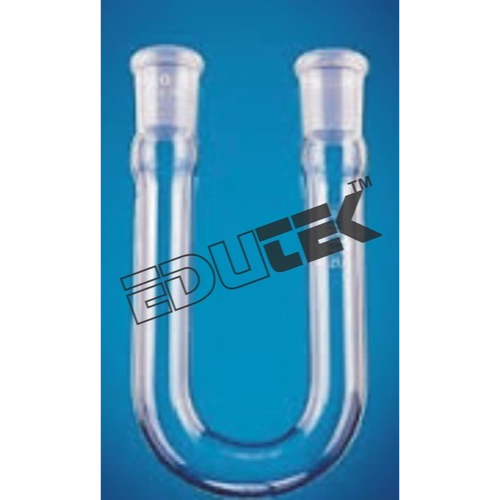
Minimum Order Quantity : 10 Pieces
Features : Chemical resistant, transparent, easy to clean, reusable
Application : Gas Absorption, Laboratory Analysis, Chemical Absorption Processes
Type : Other, Absorption Tube
Material : Borosilicate Glass
Capacity (Ltr) : Varies by size (typically 100 ml to 500 ml)
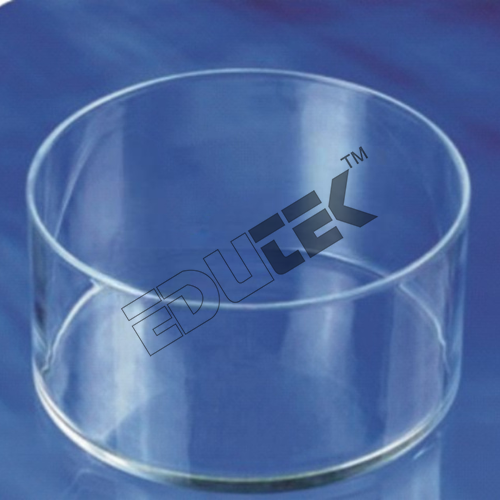
Minimum Order Quantity : 10 Pieces
Features : Transparent, Chemical Resistant, Easy to Clean
Application : Chemical Laboratory, Gas Collection
Type : Other, Glass Pneumatic Trough
Material : Glass
Capacity (Ltr) : 5 Ltr (standard); Custom sizes available

 Send Inquiry
 Send Inquiry

