About BALL MILL
Use: Lime mortar grinding
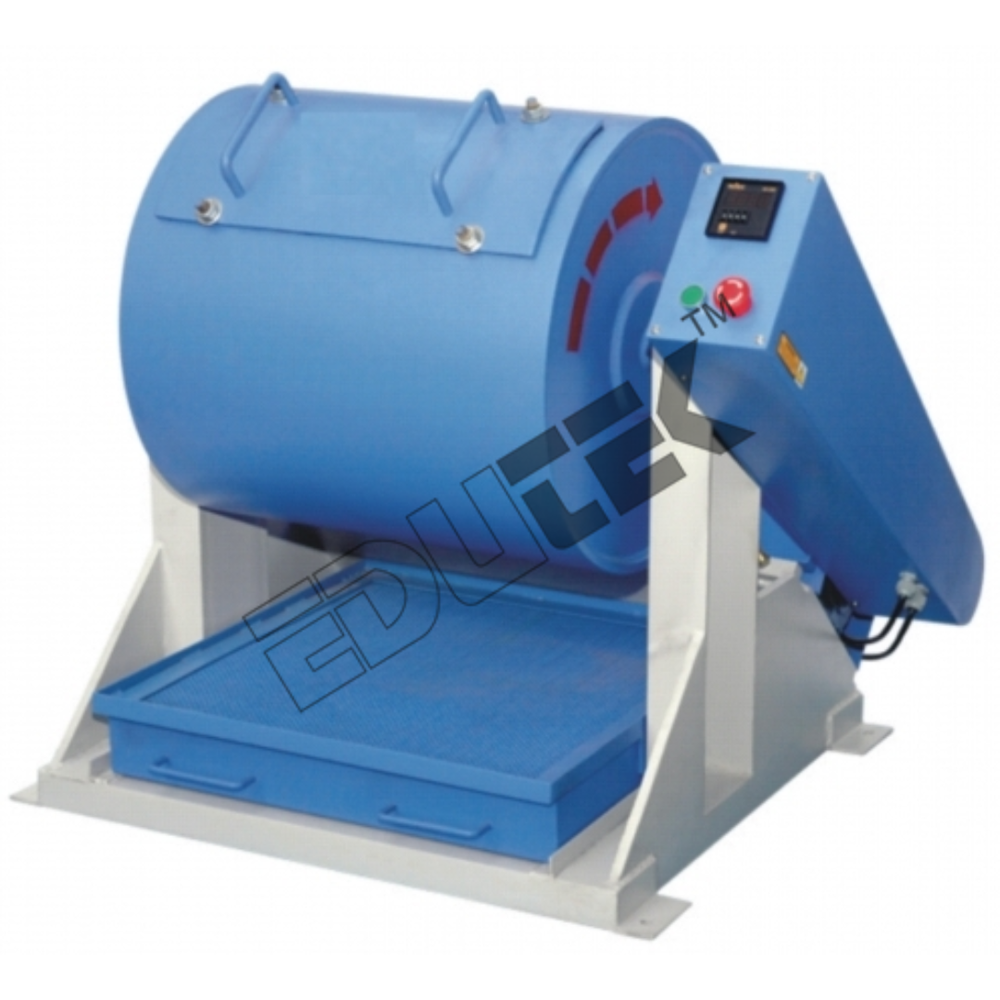
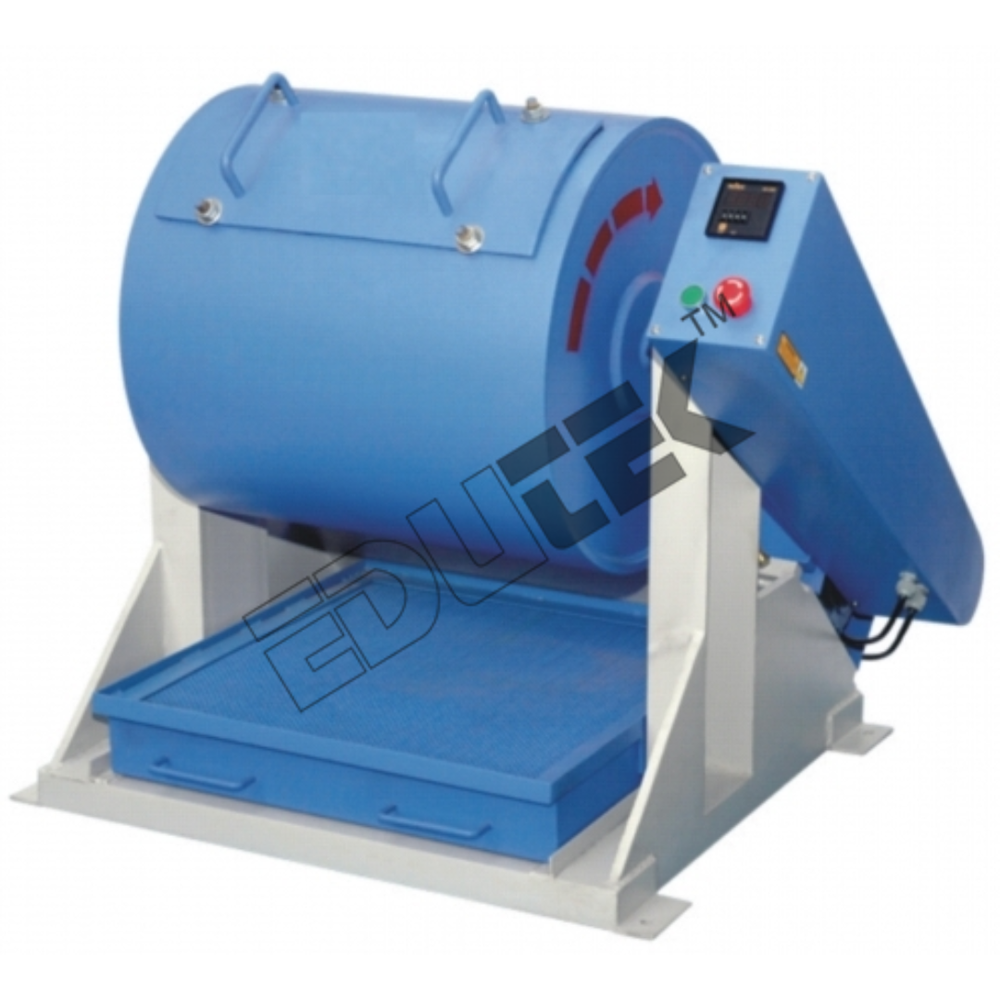
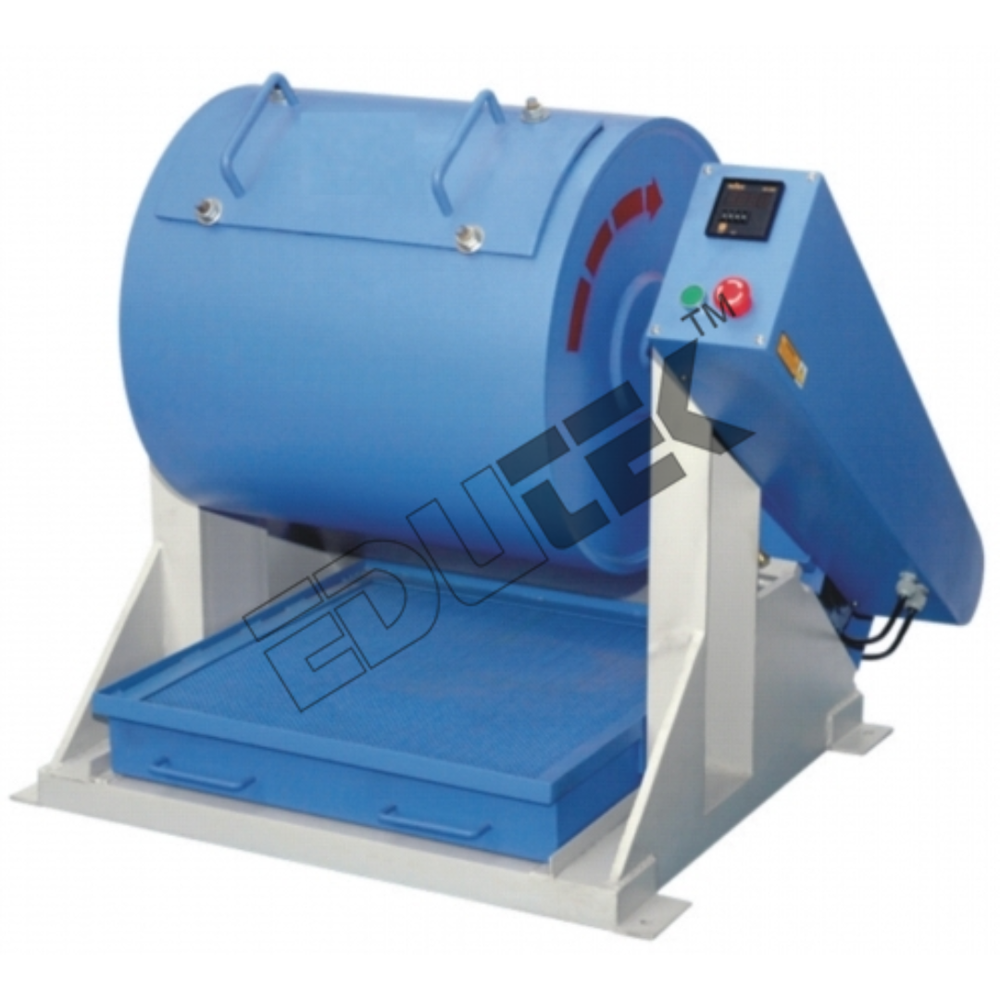
- Welded 8mm thick steel plate construction, having an internal diameter of 305mm x 343mm long.
- Drum with an opening of 21.6mm width along the full length of the drum.
- Air and water tight cover to close the opening after the specimen has been put inside the drum.
- Speed of rotation 28-30 r.p.m.
- A revolution counter for recording the revolutions of the mill fixed on the machine.
- Twelve 19mm dia steel balls.
- 1/2 H.P. electric motor to operate on single phase.
- 220/230 volts A.C. supply.
Versatile Grinding SolutionsDesigned for industrial-scale grinding, our ball mills adapt to a broad range of processes from cement to mineral ores. Available in both floor-mounted, fixed versions, they deliver consistent performance with standard blue powder-coated finishes and custom colors. Their semi-automatic or automatic controls facilitate both batch and continuous operation.
Robust and Durable BuildWith shell thickness up to 30 mm and core components like drums, motors, and gearboxes constructed from mild steel or stainless steel (SS304/SS316), these mills are built to last. Anti-corrosive features, optional water jacket cooling, and high-precision operations make them ideal for demanding industrial settings.
Customizable to Your NeedsEach ball mill can be tailored with options such as liner material (rubber or manganese steel), drive type (gear, chain, or direct), and discharge method (overflow or grate). Capacities, dimensions, motor power, and voltage options can be specified to match your unique operational requirements.
FAQs of BALL MILL:
Q: How does the optional water jacket cooling system work in this ball mill?
A: The optional water jacket cooling system circulates water around the drum to help dissipate heat generated during extended grinding, maintaining temperatures between ambient and 200C. This helps prevent overheating, especially when processing heat-sensitive materials.
Q: What are the benefits of using different ball materials such as forged steel, ceramic, or stainless steel?
A: Selecting the appropriate ball material impacts wear resistance, contamination risk, and grinding efficiency. Forged steel balls excel in heavy-duty grinding, ceramic balls minimize contamination for sensitive compounds, and stainless steel balls resist corrosion and are suitable for chemicals or food-grade materials.
Q: When should I choose overflow discharge versus grate discharge for my application?
A: Overflow discharge is ideal for finer grinding where retention time is key, commonly used in mineral processing. Grate discharge, in contrast, is better for faster material removal and coarser grinding, suitable for larger particles in cement or ore processing.
Q: Where can this ball mill be installed, and how portable is it?
A: This ball mill is designed for floor mounting in fixed industrial settings. Its robust build ensures stability and safety during operation, but it is not designed for portability or frequent repositioning.
Q: What is the process for adjusting the filling ratio, and why is it important?
A: The filling ratio (30%35% of drum volume) is adjusted by measuring the volume of balls and material loaded into the drum. This ratio is critical for maintaining grinding efficiency, preventing excessive wear, and optimizing energy consumption.
Q: How do the gear, chain, and direct drive systems differ in operation?
A: Gear drives provide precise speed control and high torque, making them suitable for heavy-duty operations. Chain drives are more economical for lighter loads, while direct drives deliver efficient power transmission with minimal maintenance requirements.
Q: What are the main benefits of using this ball mill for industrial grinding and mixing?
A: This ball mill offers high precision, robust construction, corrosion resistance, and flexibility for a wide spectrum of applications. Its ability to handle variable capacities, customizable features, and adherence to industrial standards make it a reliable choice for consistent performance and low maintenance.





 Send Inquiry
 Send Inquiry

