About Analog And Digital Communication Trainer
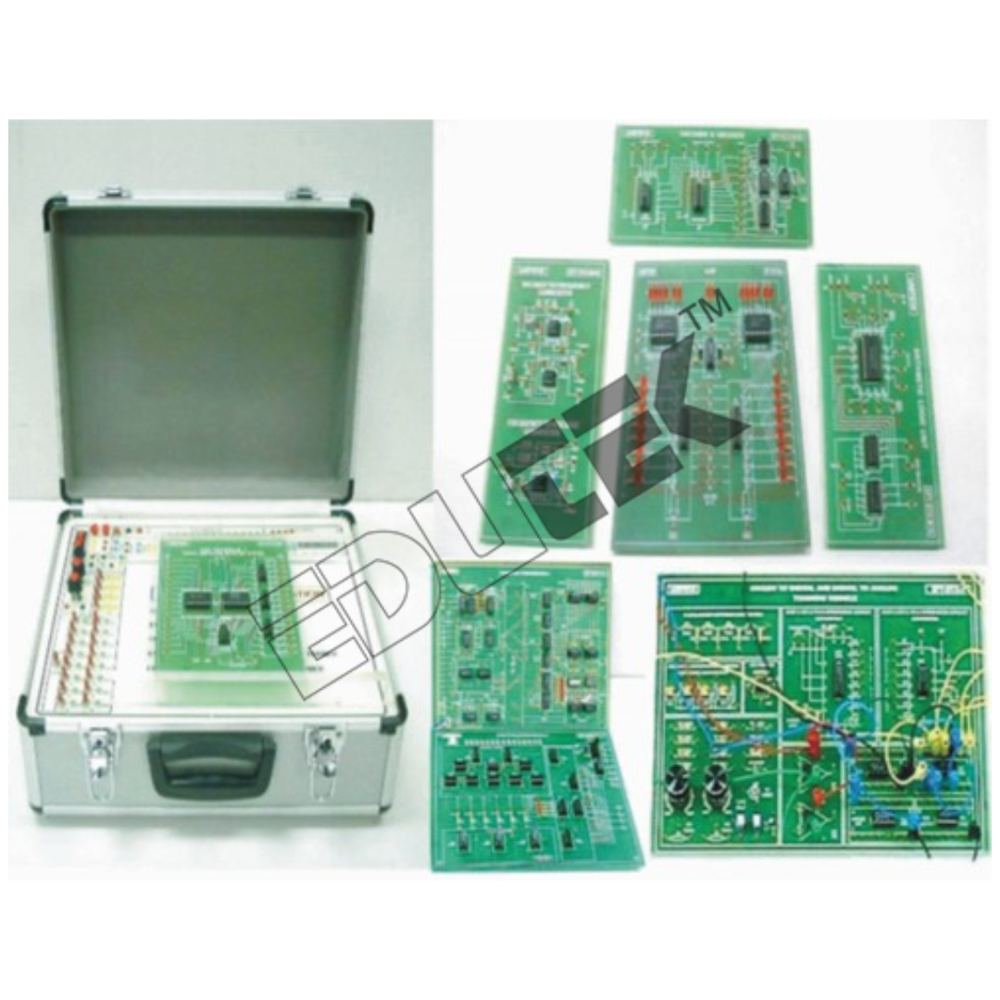
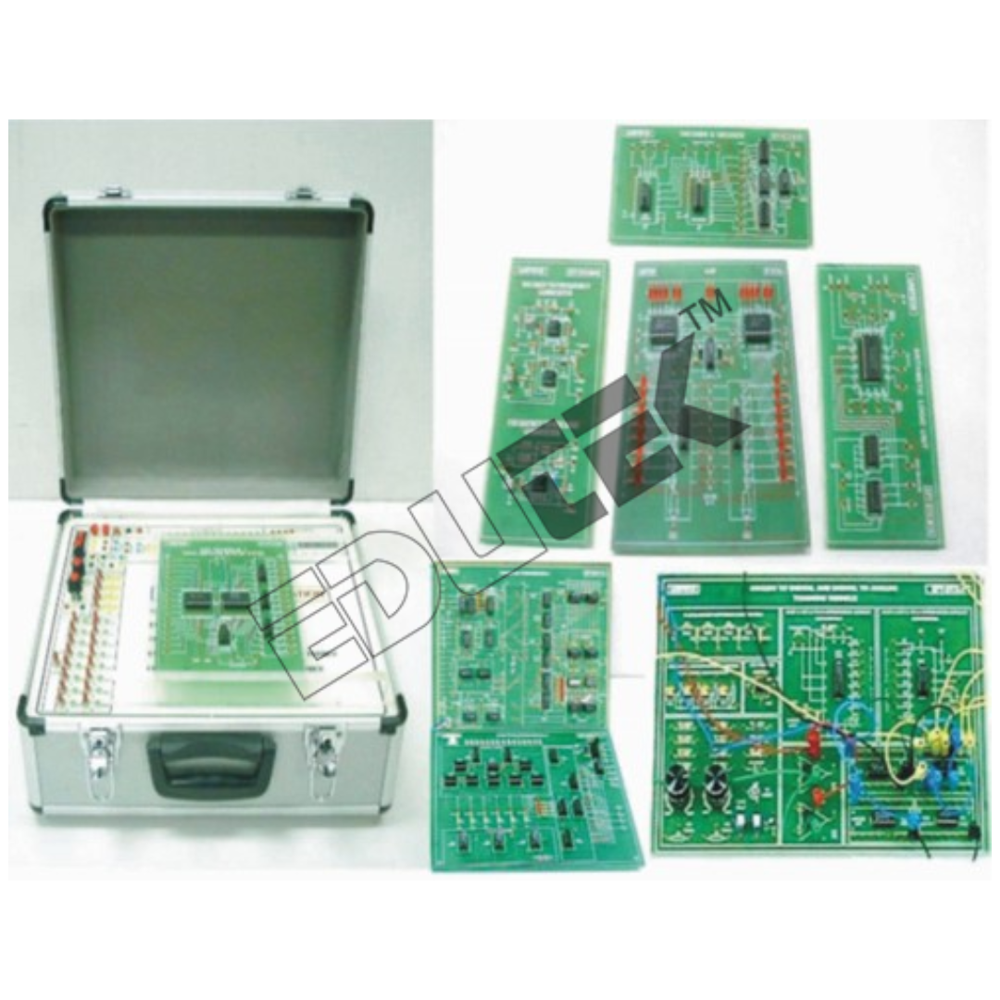
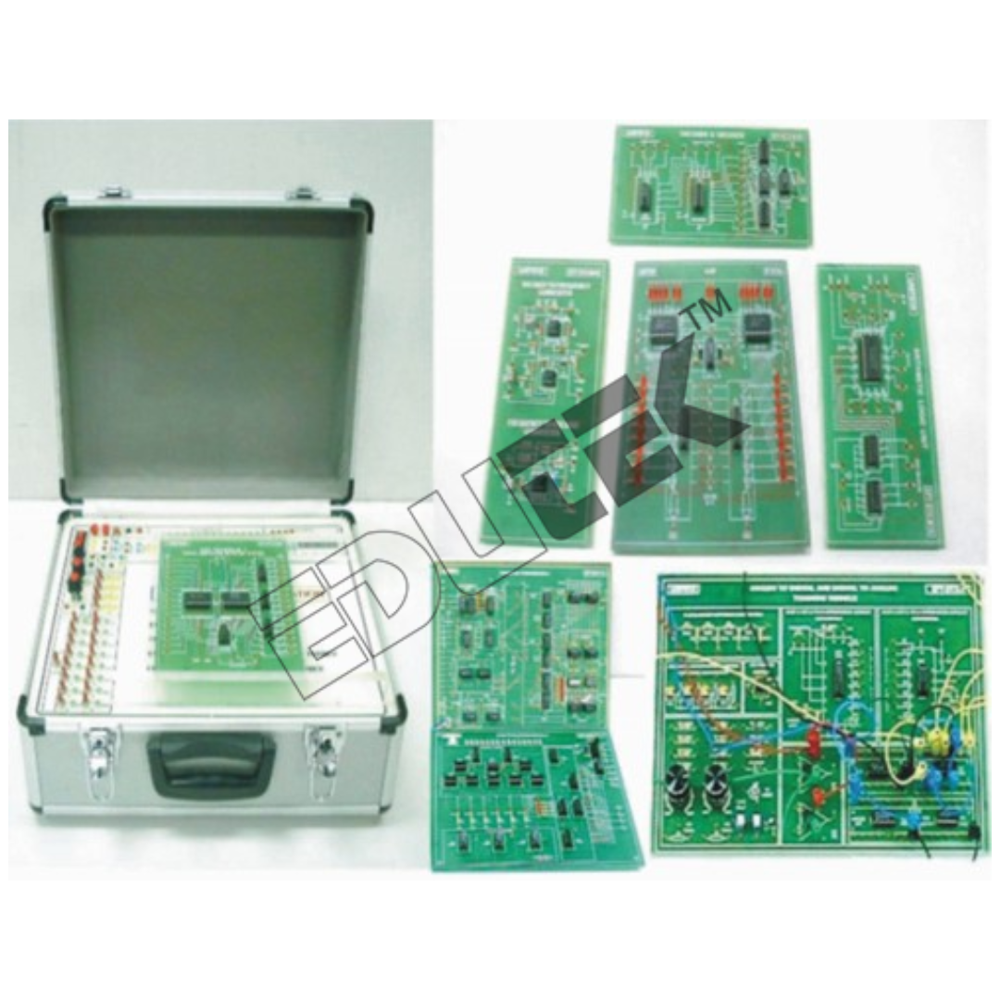
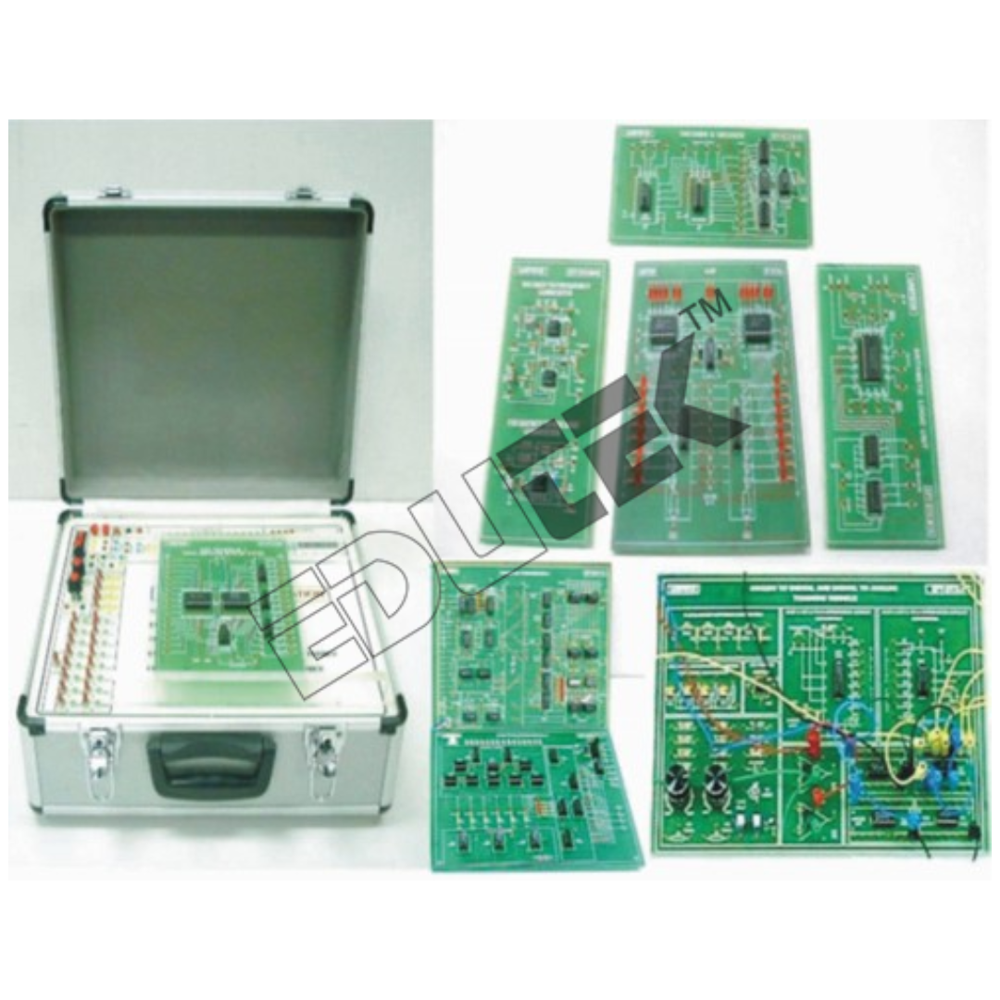
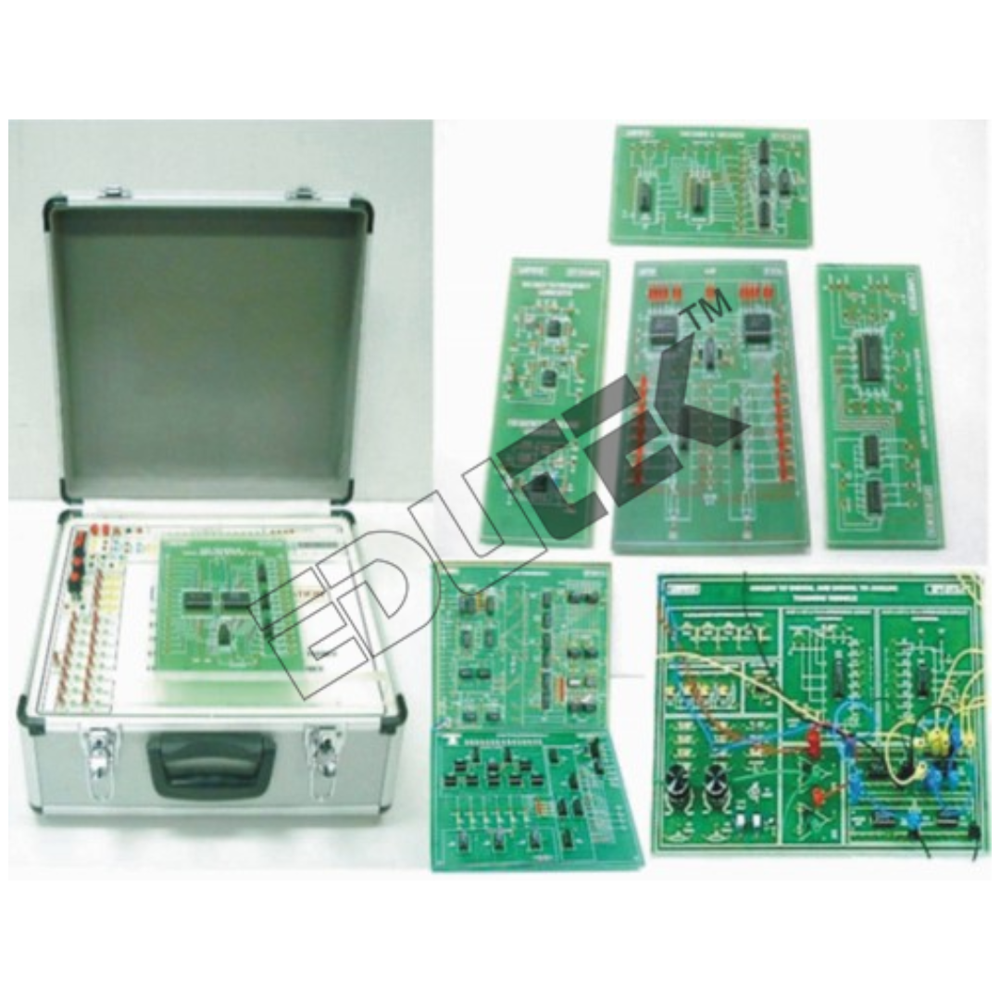
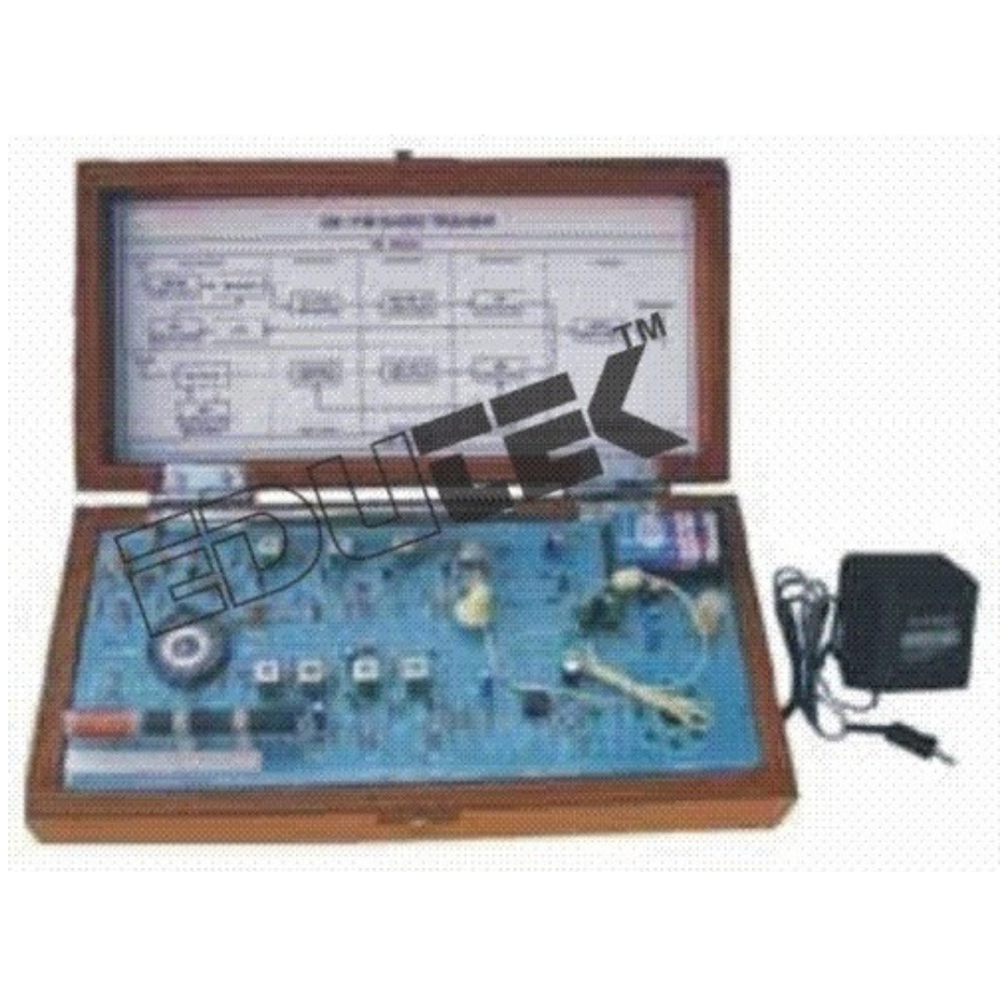
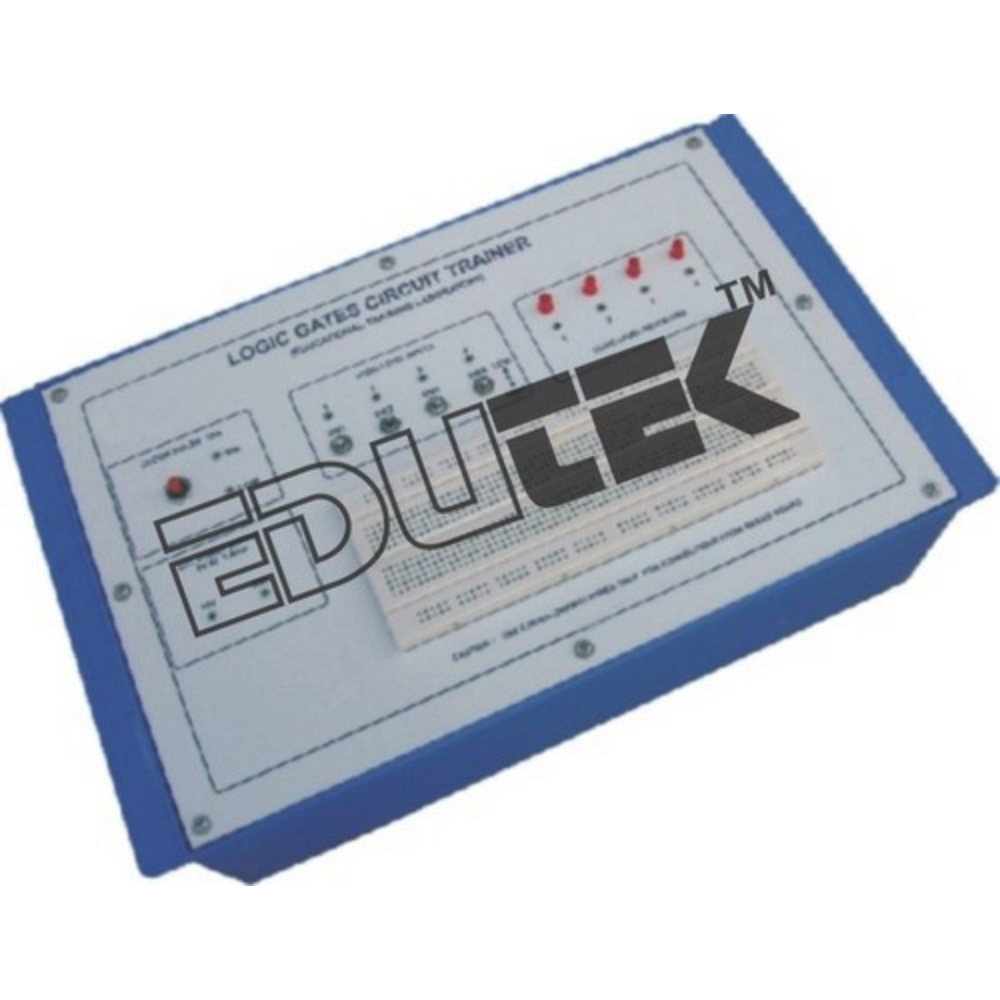
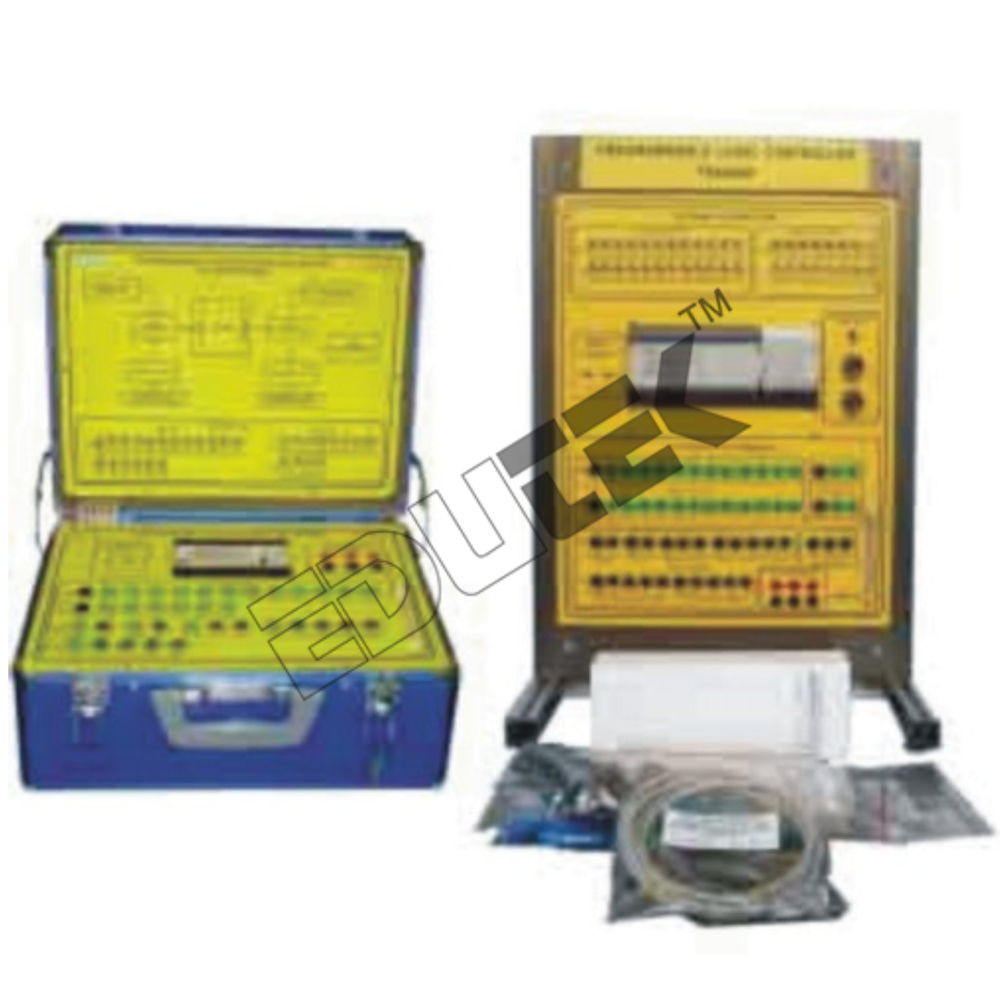
Analog And Digital Communication Trainer
Edutek Instrumentation are the Best Manufacturer and Exporter Analog Communication Trainer Company in India Analog Communication Trainer
Features:
A comprehensive experiment manual should be provided to guide the students
in studying the various application modules. This manual should include step-bystep
instruction to prepare the modules for the experiment as well as some
theory to strengthen the student's knowledge in areas that is important as a
background which is needed before doing the experiment. Complete Analog
Training System should be provided with all of the topics. The trainer should be
able to cover the following topics:
Modules:
The modules should feature electrical and electronic components that are mounted onto printed circuit boards with the circuit
Versatile Training Platform for Communication EngineeringThis trainer provides a robust and engaging environment for exploring both analog and digital communication systems. Covering key modulation techniques and real-world applications, it enables instructors and learners to conduct over 20 hands-on experiments. Each experiment is supported by clear onboard displays and convenient test points to facilitate signal monitoring and troubleshooting.
Robust and User-Friendly DesignEngineered for reliability and ease, the features durable materials, including a powder-coated metal enclosure and ABS front panel. Input connections can be made via precise 2mm test sockets or BNC connectors, accommodating standard laboratory accessories. Safety is paramount, with built-in overload and short circuit protection to safeguard users and equipment alike.
Comprehensive Educational UtilityThe kit is tailored for a single-user experience and includes everything needed for immediate operation: a detailed manual, patch cords, and a power cord. The trainer operates on 230V AC (50Hz), has a frequency range of DC to 1MHz, and provides accurate signal output (2%). Its flexibility makes it ideal for classroom demonstrations and laboratory coursework.
FAQs of Analog And Digital Communication Trainer:
Q: How do I set up and start using the Analog and Digital Communication Trainer?
A: To begin, connect the trainer to a 230V AC power source using the included power cord. Use the provided manual to guide you through initial setup, connecting input and output devices through 2mm test sockets or BNC connectors. After powering on, follow the experiment instructions to explore various modulation techniques.
Q: What communication experiments can be performed with this trainer?
A: The ACT-01 supports over 20 standard analog and digital communication experiments, including amplitude modulation (AM), frequency modulation (FM), pulse amplitude modulation (PAM), pulse width modulation (PWM), pulse position modulation (PPM), amplitude shift keying (ASK), frequency shift keying (FSK), and phase shift keying (PSK). Each experiment is designed to help users understand fundamental concepts and observe real-time results using onboard indicators.
Q: When should the overload and short circuit protections activate?
A: The built-in overload and short circuit protections are automatically triggered if the system detects excessive current or potential equipment hazards. This ensures the safety of both users and internal circuitry, preventing operational damage and reducing maintenance needs during experimentation.
Q: Where can this communication trainer be utilized most effectively?
A: This trainer is best suited for educational institutions and laboratory settings where hands-on training in communication engineering is essential. Its portable design and comprehensive features make it ideal for classroom demonstrations, laboratory practicals, and technical workshops.
Q: What is the process for measuring signals using the onboard test points and indicators?
A: The trainer provides conveniently located test points for direct measurement of amplitude, frequency, and phase characteristics. Use standard laboratory probes to access these points. Observations can be made using analog/digital displays, onboard LEDs, or through the speaker output for audible signal monitoring.
Q: What are the key benefits of using this communication trainer in education?
A: This trainer enables students to gain practical experience with multiple modulation techniques in a controlled, safe environment. Its inclusive experiment modules and detailed manual promote independent learning. Built-in safety protections and robust construction ensure longevity and reliable operation for repeated use in academic or industrial training settings.





 Send Inquiry
 Send Inquiry

