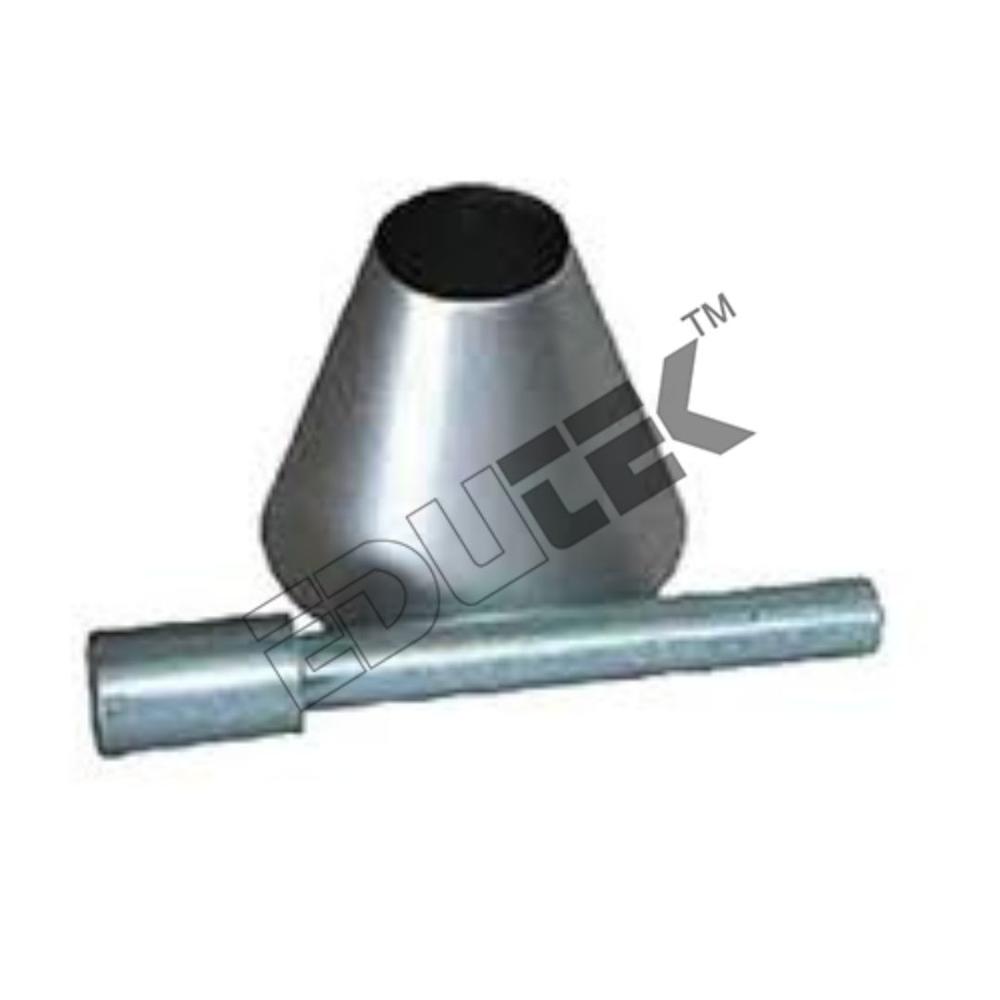
About Abrasion Testing Machine
Abrasion Testing Machine
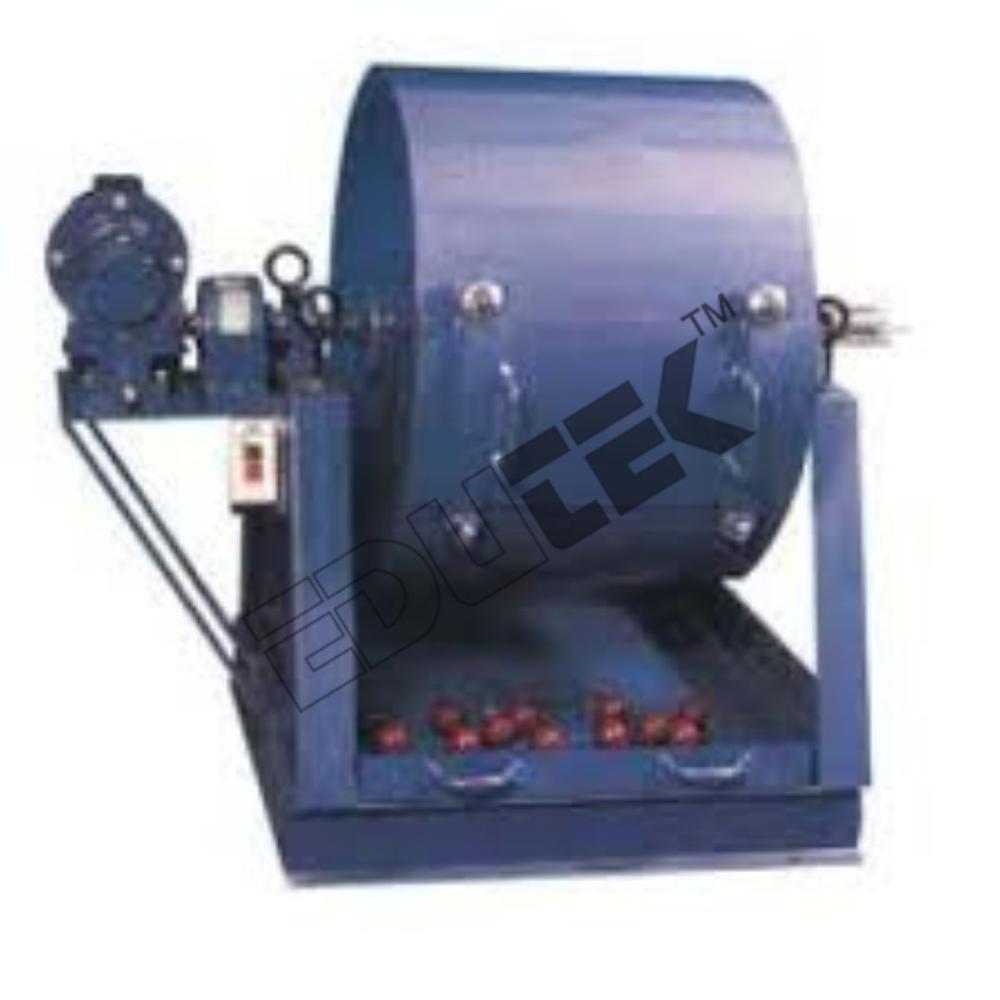
Used for testing Crushed Rock, Crushed Slag, Crushed and Uncrushed Gravel For Resistance to Abrasion.
Specification :
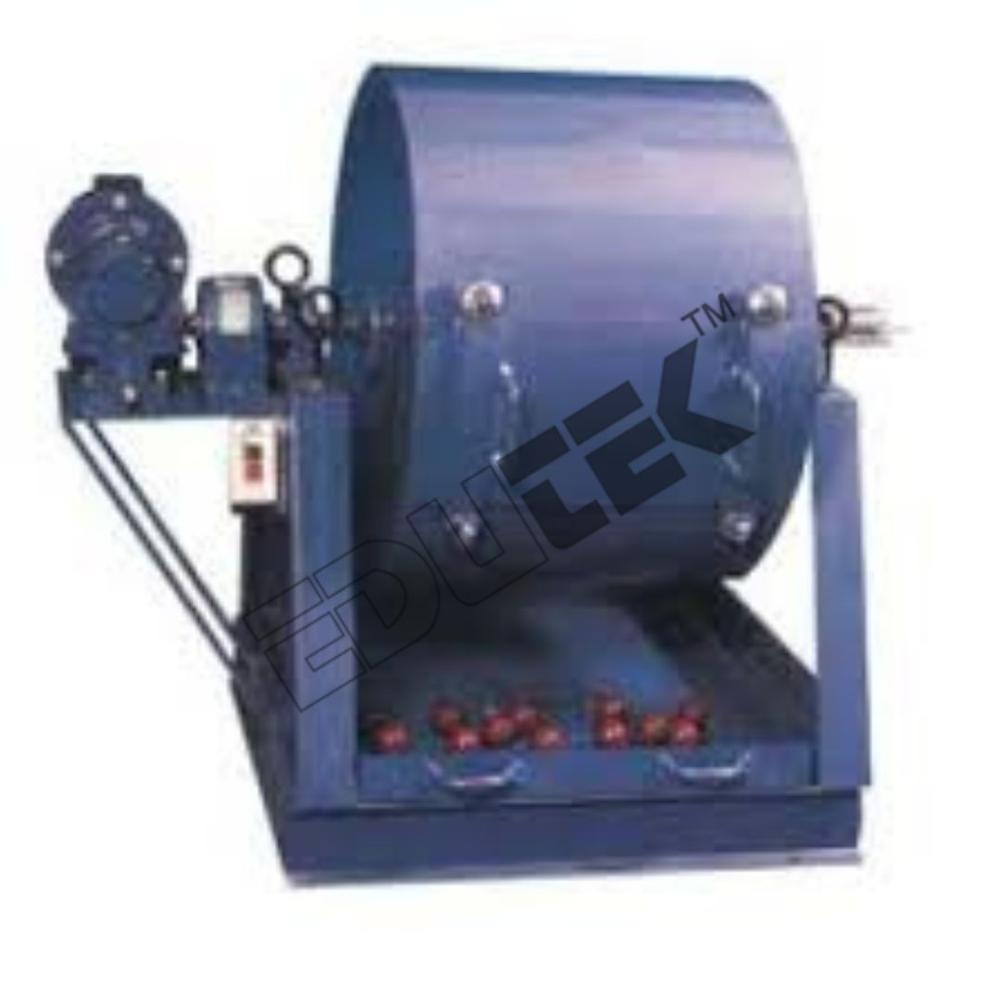
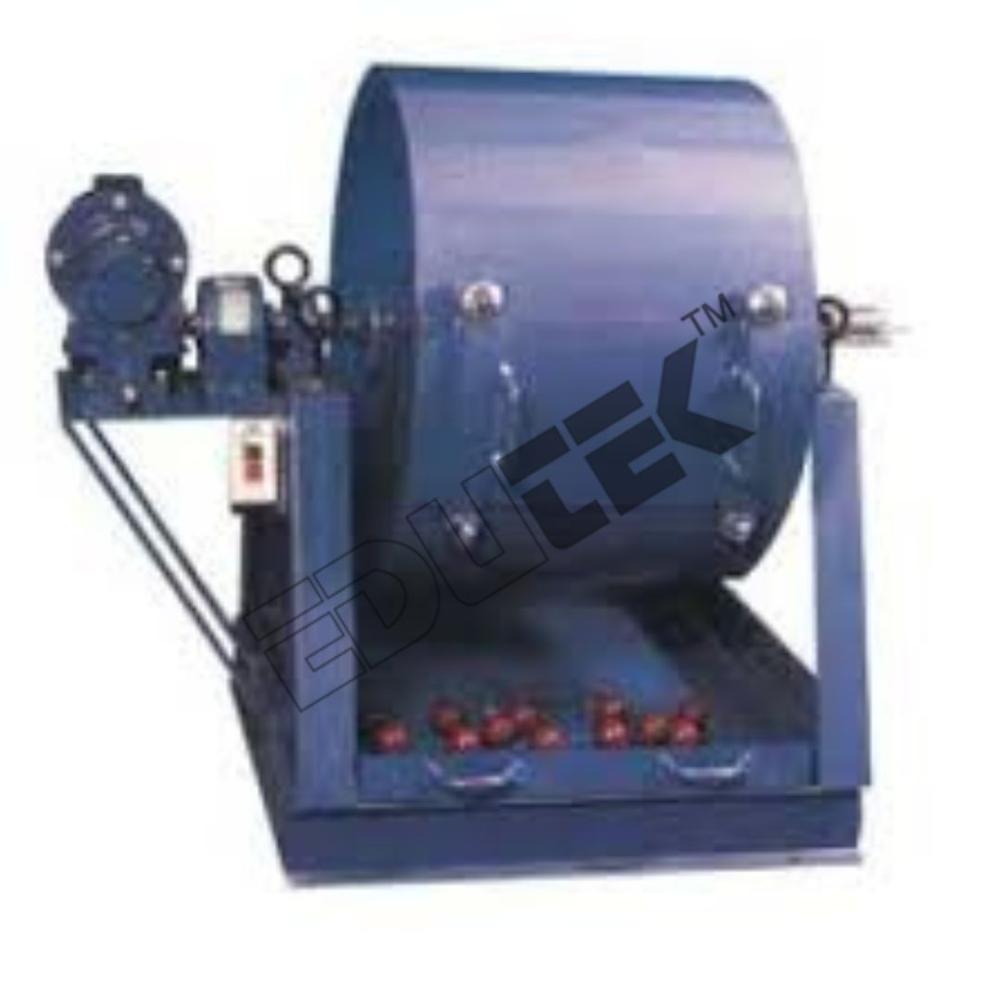
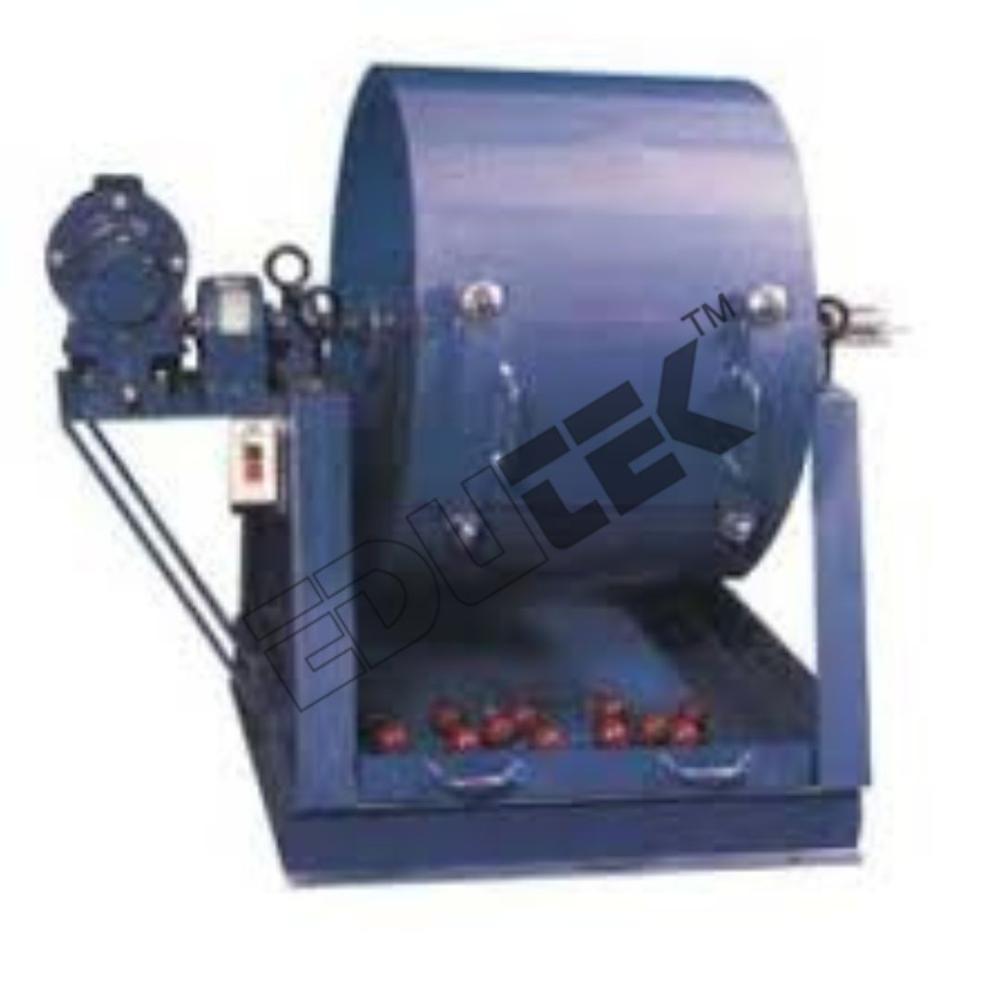
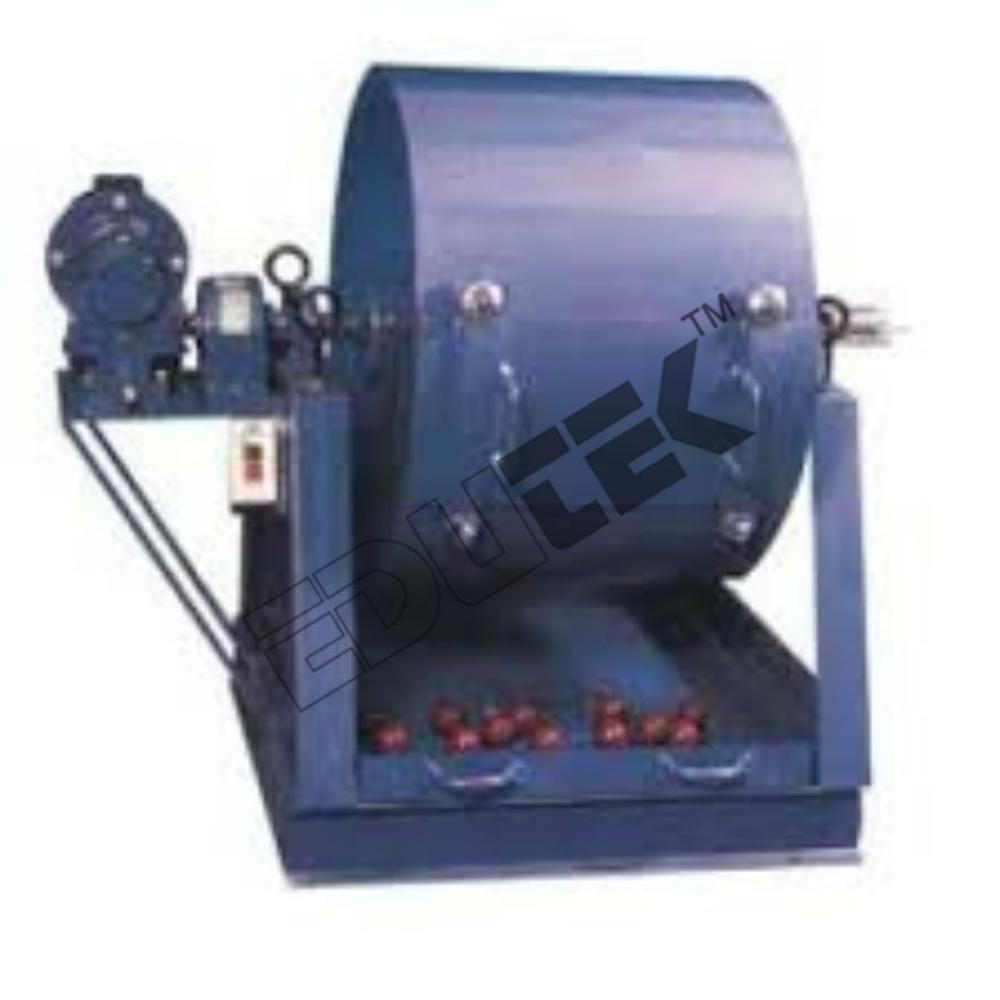
The machine consists of a hollow cylinder mounted horizontally on a study frame on ball bearings. There is an opening which can be closed with a dust tight cover to facilitate charging and discharging the drum with the material under test. A detachable shelf which extends throughout the inside length of the drum which catches the abrasive charge and does not allow it to fall on the cover. The drum is rotated by an electric motor through a heavy reduction gear at a speed of 30-33 R.P.M. A revolution counter is fitted to the frame. A tray is supplied for collection of the material at the end of the test. Complete with Abrasive Charge consisting of a set of Twelve hardened steel balls, approximately 48mm dia. Suitable for operation on 440 V, 3 Phase, 50 cycles, A.C. Supply.
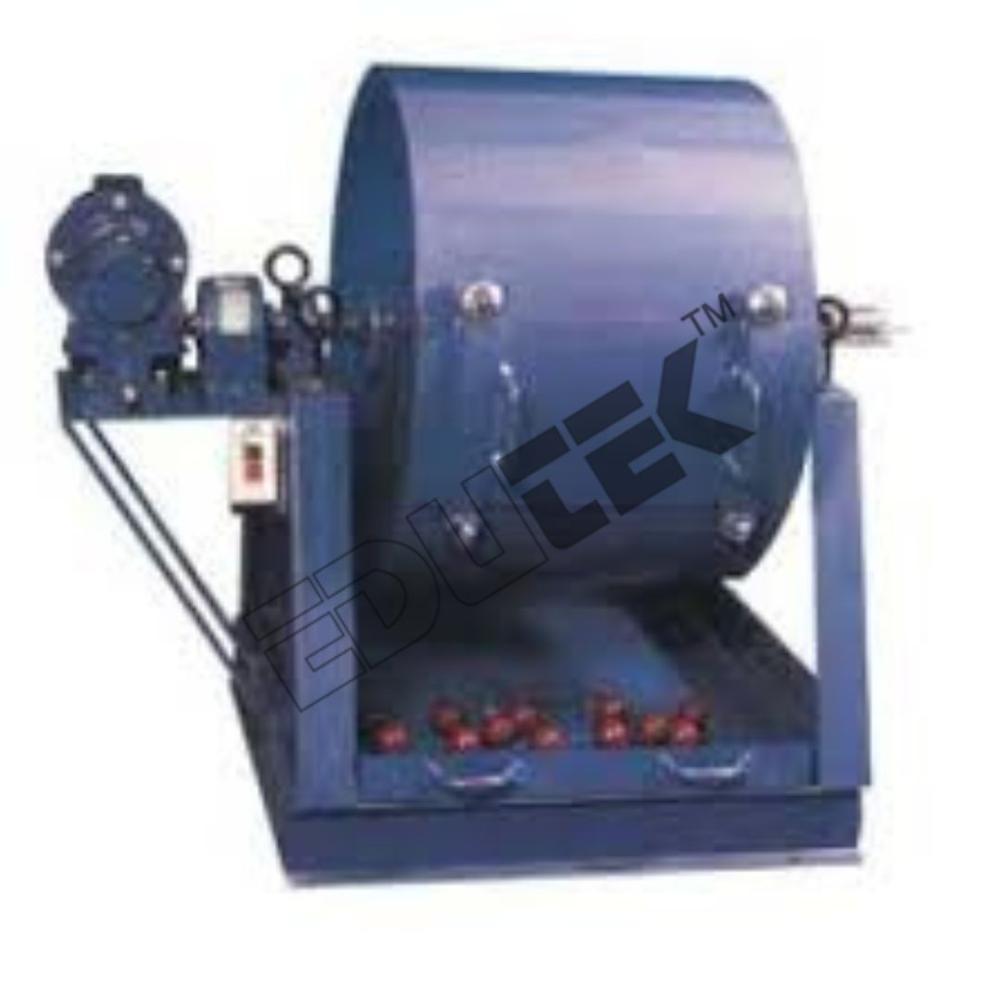
Optimized for Laboratory ApplicationsSpecifically engineered for laboratory environments, the ATM-01 Abrasion Testing Machine suits a variety of material testing protocols. Its precision instrumentation and safety features support consistent, repeatable results, making it suitable for quality control and research. Users benefit from robust equipment with stable performance, enhancing the reliability of material durability assessments.
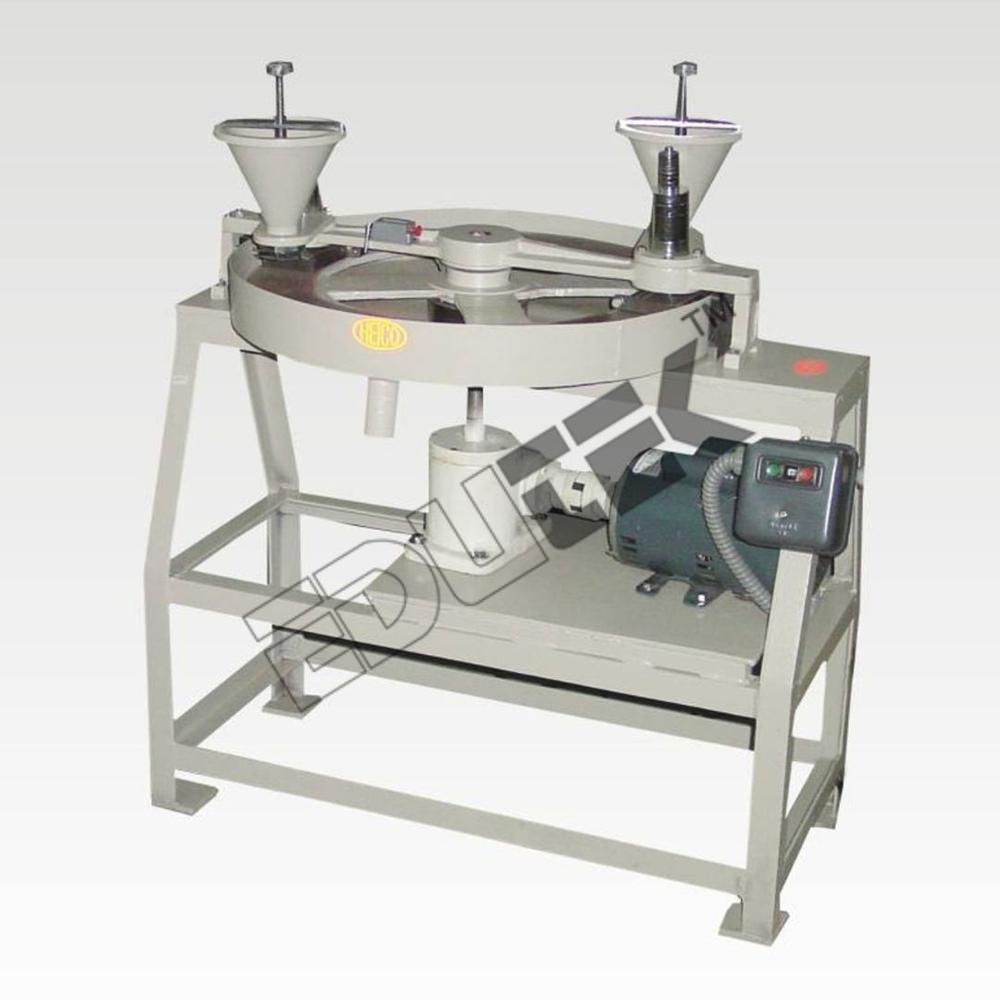
Robust Construction and User-Friendly DesignBuilt with a powder-coated mild steel body, the machine stands up to rigorous use. The core componentsrotating disc, abrasive wheel, and specimen holderare engineered for durability and ease of operation. With its analog display and semi-automatic workflow, users find the testing process intuitive and efficient, streamlining their material evaluation activities.
FAQs of Abrasion Testing Machine:
Q: How does the Abrasion Testing Machine ATM-01 operate during testing?
A: The machine functions by rotating the abrasive wheel (150 mm diameter) at 30 rpm. The specimen, secured in the holder, is subjected to controlled abrasion as the disc rotates, simulating wear over a programmable measurement range of 0-500 cycles. This process allows for assessment of material durability under repeatable conditions.
Q: What types of materials can be evaluated using this machine?
A: The ATM-01 is suitable for testing a wide array of materials, including metals, coatings, plastics, and rubber, provided the specimen thickness does not exceed 40 mm. Its precise and efficient abrasion process serves industries and laboratories focusing on material development and quality control.
Q: When is abrasion testing necessary in a laboratory setting?
A: Abrasion testing is essential when evaluating the wear resistance and longevity of materials intended for high-friction or high-contact applications. It is commonly used during product development, quality assurance, or compliance verification to determine if materials meet industry standards.
Q: Where is the ATM-01 Abrasion Testing Machine typically deployed?
A: The machine is frequently found in industrial laboratories, research and development centers, and manufacturing facilities. Its robust design and reliable performance make it ideal for institutions conducting routine or specialized material durability assessments.
Q: What is the testing process for this abrasion machine?
A: To perform a test, the specimen is clamped into the holder and the machine is set to the desired number of cycles. After powering on the unit (230 V AC, 50 Hz), the abrasive wheel rotates against the specimen. Upon reaching the set cycle count, results are observed via the analog display for analysis.
Q: How does the semi-automatic functionality benefit laboratory users?
A: Semi-automatic operation reduces manual workload by automating critical test steps while maintaining overall user control. This balance enables efficient testing workflows, consistent results, and minimizes operator error during repetitive or high-volume testing.